

Key Takeaways
- César de la Fuente is leveraging AI to scan genomes for antibiotic peptides.
- The research includes exploring genetic material from extinct species to find new compounds.
- A diverse library of over a million genetic recipes has been amassed for antibiotic research.
- Traditional antibiotic discovery methods are becoming less effective and more costly.
- The study highlights the potential of ancient genetic material in modern medicine.
What We Know So Far
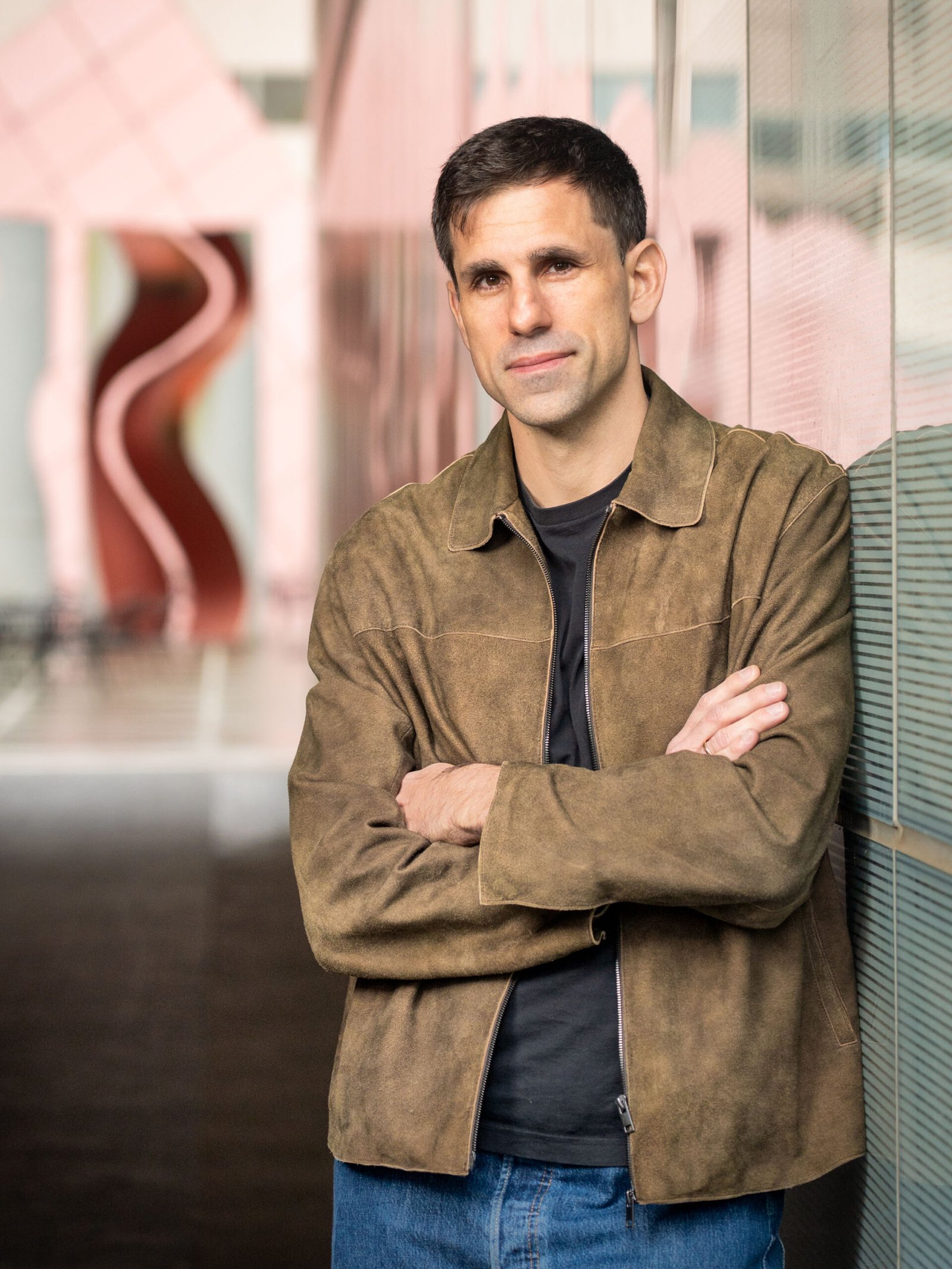
AI antibiotic discovery — César de la Fuente, a researcher at the University of Pennsylvania, is using artificial intelligence to revolutionize antibiotic discovery. His approach involves scanning genomes for peptides with antibiotic properties, a tool that is becoming increasingly critical as traditional methods falter.
Related image — Source: technologyreview.com — Original
According to reports, De la Fuente’s team has uncovered peptides within the genetic code of ancient organisms like archaea and has even explored genetic material from extinct species.
The Role of Machine Learning
Thanks to advances in machine biology, De la Fuente’s research can analyze vast amounts of data at unprecedented speed. With over a million genetic recipes collected, the potential to identify effective antimicrobial compounds has never been greater.
As traditional methods fall behind in effectiveness and cost-efficiency, this novel approach harnesses AI’s power to explore genetic information previously overlooked in the search for new antibiotics.
Key Details and Context
More Details from the Release
The number of possible organic combinations that can be synthesized for drug discovery is estimated around 10^60.
The traditional methods for antibiotic discovery are becoming increasingly ineffective and expensive.
De la Fuente has amassed a library of over a million genetic recipes through this research.
He has resurrected compounds from genes of extinct organisms like mammoths and giant sloths.
De la Fuente’s project, called molecular de-extinction, involves scanning genetic sequences from extinct species.
The team has also excavated candidates from the venom of snakes, wasps, and spiders.
De la Fuente’s team has described peptides hiding in the genetic code of ancient archaea.
César de la Fuente is using AI tools to search genomes for peptides with antibiotic properties.
The number of possible organic combinations that can be synthesized for drug discovery is estimated around 10^60.
The traditional methods for antibiotic discovery are becoming increasingly ineffective and expensive.
De la Fuente has amassed a library of over a million genetic recipes through this research.
He has resurrected compounds from genes of extinct organisms like mammoths and giant sloths.
De la Fuente’s project, called molecular de-extinction, involves scanning genetic sequences from extinct species.
The team has also excavated candidates from the venom of snakes, wasps, and spiders.
De la Fuente’s team has described peptides hiding in the genetic code of ancient archaea.
César de la Fuente is using AI tools to search genomes for peptides with antibiotic properties.
De la Fuente’s initiative, termed ‘molecular de-extinction,’ aims at resurrecting compounds from the genes of species that no longer exist. This endeavor focuses on famous extinct organisms such as woolly mammoths, Neanderthals, and even the giant sloth.

Related image — Source: technologyreview.com — Original
“César is marvelously talented, very innovative.”
Additionally, his team has delved into the venom of snakes, wasps, and spiders, further diversifying the available compounds for study. These insights open new avenues for antibiotic development, enabling the exploration of genetics in ways never before imagined.
The Inadequacy of Traditional Methods
It is widely acknowledged that the conventional methods for antibiotic discovery are becoming increasingly ineffective and expensive. A multitude of companies in the field have seen a downturn, unable to provide a satisfactory return on investment.
One expert mentioned, “A lot of the companies that have attempted to do antibiotic development in the past have ended up folding.” This stark reality fuels the urgency for innovative methods like those employed by De la Fuente.
What Happens Next
With ongoing research, De la Fuente is optimistic about the breakthroughs that AI-driven antibiotic discovery could achieve. The vast number of combinations available—estimated at around 10^60—means that countless new compounds await identification and testing.

Related image — Source: technologyreview.com — Original
As this research progresses, the implications for medicine could be profound. Identifying new antibiotics is expected to combat the growing problem of antibiotic resistance, a pressing issue globally.
Expanding the Scope of Research
As the team continues to expand its libraries, there are plans to further explore different biological samples across various ecosystems. The intent is to uncover more peptide structures that could pave the way for new types of treatments.
Stokes, a colleague, elaborates, “Drug discovery in any domain is a statistics game,” emphasizing the wide-reaching possibilities that lie ahead when leveraging AI for such critical health challenges.
Why This Matters
The urgency and implications of this research cannot be overstated. As antibiotic resistance continues to edge higher, effective treatments are dwindling. De la Fuente’s work is not just about finding new medicines; it’s a vital step in preserving public health.
“and I think this is the ultimate challenge.”
By tapping into the genetic wealth of ancient species and utilizing cutting-edge AI techniques, De la Fuente offers hope for a future where effective antibiotics remain accessible.
FAQ
What is molecular de-extinction?
Molecular de-extinction is a project by César de la Fuente that scans genetic sequences from extinct species to discover new compounds.
How is AI being used in antibiotic discovery?
AI tools are utilized to search through genomes for peptides that exhibit antibiotic properties.
What organisms are being studied for new antibiotics?
Research includes genetic material from ancient archaea, extinct mammals like woolly mammoths, and even venom from snakes and wasps.

