
measles resurgence in the US — Key Takeaways
- The US is facing the highest measles cases in decades, potentially losing its elimination status.
- An estimated 95,000 people worldwide died from measles in 2024, mostly young children.
- Wastewater surveillance could become a vital early warning system for detecting measles outbreaks.
- Measles persists in wastewater, allowing it to be detectable in urban sewage systems.
- Recent global vaccination efforts have significantly reduced measles death rates by 88% since 2000.
What We Know So Far
The Current Landscape of Measles Cases
Measles resurgence in the US — Measles cases are surging in the US, with the country experiencing the highest levels in decades. In 2024, an estimated 95,000 people died from measles worldwide, most of them young children. The situation in the US is alarming, as it threatens the nation’s measles elimination status. The increasing number of cases is a call to action for health authorities to reevaluate their strategies to maintain herd immunity among the population.

The World Health Organization emphasizes that vaccination is critical in preventing outbreaks. Public health officials attribute the surge to declining vaccination rates and increasing vaccine hesitancy. This trend can be linked to misinformation surrounding vaccines, which contributes to the growing apprehension among parents about vaccinating their children.
With the resurgence of measles, public health campaigns are becoming increasingly essential to combat misinformation and boost confidence in vaccines. Enhanced education initiatives may help parents understand the importance of immunization in protecting not just their children, but the broader community.
Impact of Global Vaccination Efforts
Since 2000, worldwide vaccination efforts against measles have led to an 88% drop in measles deaths, saving nearly 59 million lives globally. Yet, in the wake of the ongoing challenges, maintaining high vaccination coverage remains essential. The retreat from vaccination may allow measles to reestablish itself in communities that had previously eradicated it.
“Some of our other systems can work pretty well at identifying measles cases as they come up,” reported public health experts, highlighting the necessity of early detection to manage outbreaks effectively. The integration of new technologies can enhance these systems and provide more timely alerts to public health officials.
Key Details and Context
More Details from the Release
Public health efforts to contain measles include monitoring in healthcare settings and vaccination campaigns. These initiatives play a critical role in ensuring that outbreaks are swiftly identified and addressed.

“nearly 59 million lives have been saved by the measles vaccine”
The literature on wastewater detection of measles is limited, but initial studies are promising. Measles is shed in urine, making it detectable in wastewater systems. This innovative method is becoming a focal point as researchers seek alternative ways to monitor virus spread in communities.
Wastewater surveillance could be utilized as an early warning system for measles, potentially signaling the need for immediate public health interventions.
Reportedly, worldwide vaccination efforts against measles have led to an 88% drop in measles deaths from 2000 to 2024. This astounding achievement underscores the importance of sustained vaccination efforts and the necessity of public support.
The US is on track to lose its measles elimination status due to the surge in cases. In 2024, an estimated 95,000 people died from measles worldwide, most of them young children, marking a renewed public health crisis.
Understanding Wastewater Tracking
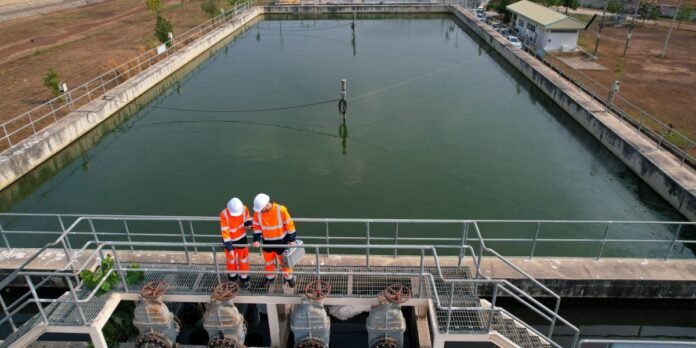
Wastewater surveillance could provide an early warning system for measles outbreaks. Researchers note that the virus is shed through urine, making it detectable in wastewater. This capability could save lives by allowing health authorities to react swiftly to rising infection levels. By continuously monitoring wastewater, officials can identify areas of concern before outbreaks escalate.
As Emily Leeming states, “This is really the frontier of what’s next,” indicating the promise of wastewater tracking technology. Developing methods to integrate this data into existing public health frameworks is crucial for its success.
Promising Initial Studies
While literature on wastewater detection of measles is limited, initial studies show promise. Marlene Wolfe underscores the potential, saying, “We shed these viruses and we shed bacteria and fungi in so many ways that end up in the sewer.” This insight into microbial presence in wastewater provides valuable information for health officials.
This innovative approach could assist in containing the spread of measles, especially in areas with low vaccination rates. The reliance on community cooperation and robust infrastructure is expected to be essential to implement effective strategies for monitoring.
What Happens Next
Public Health Responses
Public health efforts to contain the resurgence of measles include vaccination campaigns and monitoring cases in healthcare settings. There is an urgent need for community engagement to ensure vaccination efforts reach under-immunized populations. Building trust between health officials and communities can foster a collaborative environment for improving vaccination rates.

Health authorities are also investigating the integration of wastewater monitoring into their strategies. The goal is to preemptively address outbreaks before they gain momentum. Ensuring consistent dialog with public health experts is expected to enhance the effectiveness of these initiatives.
Future of Wastewater Surveillance
The practicality of wastewater surveillance for measles detection could become more refined as studies continue. Understanding how to best implement these systems is expected to be vital for effective public health strategies. Emphasizing collaboration between researchers and health officials may lead to more successful outcomes.
Experts believe that aligning these approaches with existing public health frameworks can amplify their impact, potentially reducing the incidence of measles significantly. Continued investment in public health technology is expected to also be critical in addressing future outbreaks.
Why This Matters
Long-term Implications for Public Health
The rise in measles cases poses a severe threat to public health, particularly for vulnerable populations. The continuing strain on healthcare resources due to Covid-19 exacerbates this concern. The resurgence of measles can lead to complacency concerning other vaccine-preventable diseases.
“This is really the frontier of what’s next,”
Failing to address the resurgence may result in higher morbidity and mortality rates from measles, reversing years of progress made by vaccination campaigns. The focus on prevention strategies is expected to not only protect individual health but also safeguard community well-being.
Urgency in Vaccination Efforts
As experts highlight, enhancing detection and vaccination strategies are paramount to mitigating this public health threat and preventing future outbreaks. Collaboration and innovation in public health approaches is expected to be essential to ensure the sustainability of measles elimination efforts.
FAQ
Can Wastewater Tracking be Reliable?
Yes, wastewater tracking can provide early warnings, but it relies on context-specific data about the community’s health. Given initial promising results, it may complement existing public health measures and is a promising avenue for future research.
Conclusion
As the US navigates the resurgence of measles, prioritizing vaccination and exploring innovative detection methods such as wastewater tracking is expected to be crucial in safeguarding public health. Increased awareness and proactive measures is expected to be indispensable in facing this ongoing challenge.

