
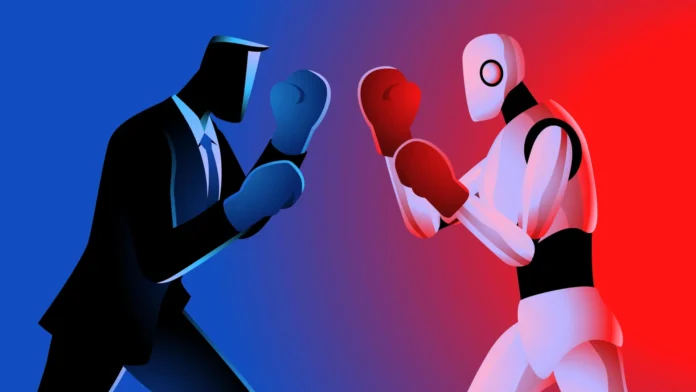
Key Takeaways
- Generative AI outperforms average human creativity on specific tasks, especially during the Divergent Association Task.
- Top human creatives still surpass AI capabilities, highlighting the uniqueness of human innovation.
- Adjustments in AI models, like temperature changes, can enhance creative outputs significantly.
- The study reinforces that AI serves as a transformative tool for human creators rather than a replacement.
- Collaboration between humans and AI fosters a new environment for co-creativity, changing traditional creative processes.
What We Know So Far
The Study Overview
AI creativity comparison — A groundbreaking study has tested AI against 100,000 human participants to evaluate creativity. According to researchers, certain generative AI systems can outperform average human creativity on specified tasks. These findings challenge the traditional view of human uniqueness in creative endeavors.
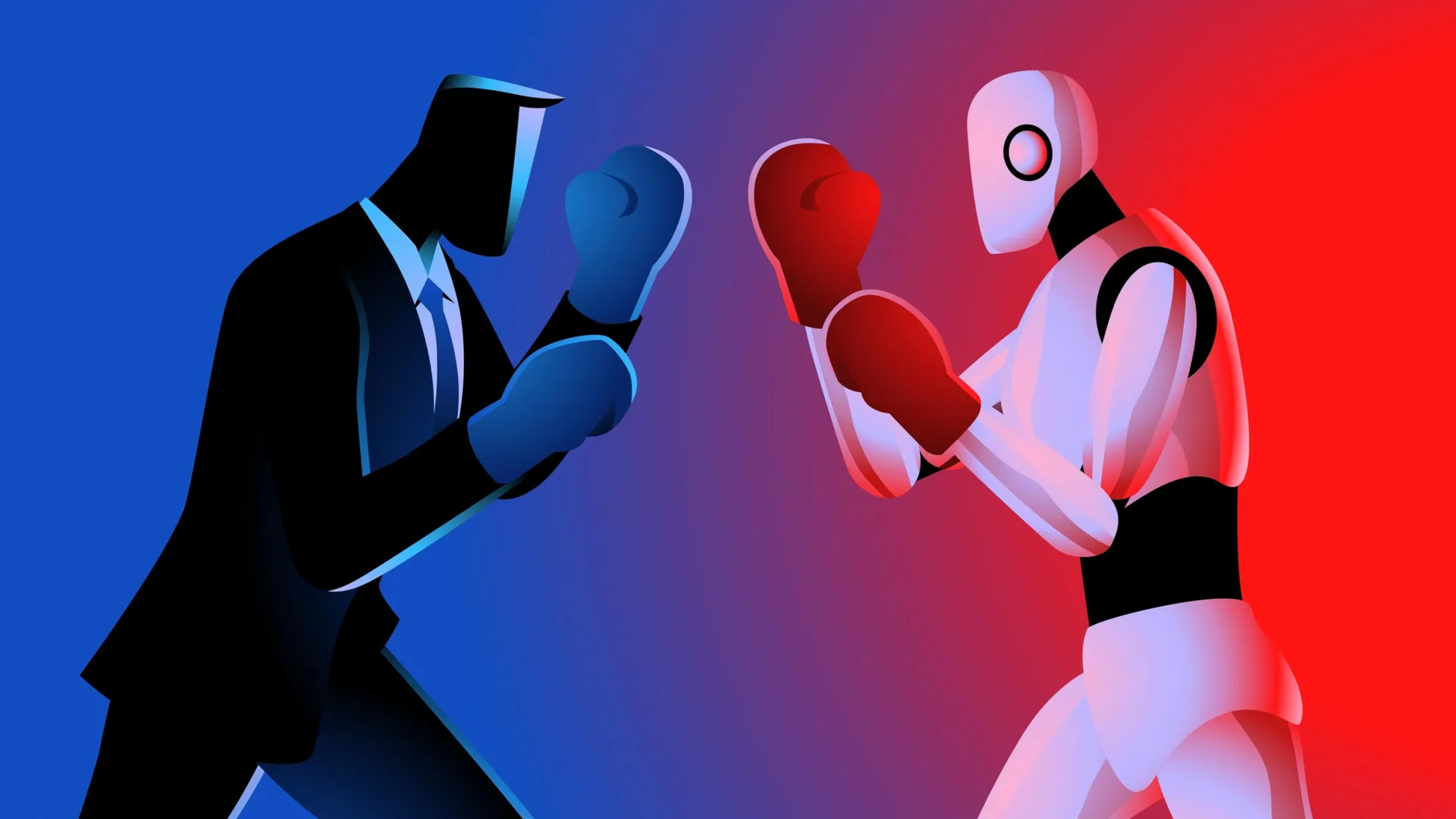
The research methodology involved careful design to ensure an equitable assessment between AI and human creativity levels, suggesting the results may indicate a significant shift in how we perceive the creative potential of machines.
However, it is crucial to note that while AI shows impressive capabilities, the most creative individuals maintain a distinct advantage over AI, affirming the unique potential of human innovation.
The Divergent Association Task
The research utilized the Divergent Association Task (DAT) to measure creativity in both humans and AIs. This task is designed to evaluate divergent thinking and allows for a structured comparison of performance traits. By systematically contrasting human and AI performance, this methodology offers valuable insights into the creative capacities of each.
The findings revealed that popular AI models, including ChatGPT, scored above average human creativity levels, showcasing emerging trends in AI capabilities and indicating a potential for AI to assist in creative tasks.
Key Details and Context
More Details from the Release
Research on creativity in AI suggests the need for a focus on co-creativity between humans and machines. This new paradigm presents unique opportunities for both entities to collaborate in innovative processes.

“Our study shows that some AI systems based on large language models can now outperform average human creativity on well-defined tasks,”
Creative tasks conducted by AI still heavily rely on human prompts and guidance. The interaction emphasizes the importance of human insight in steering AI towards productive creative outputs.
The study emphasizes that AI does not replace human creators but transforms how they create. This transformation marks a pivotal evolution in the creative process, indicating the viability of AI as a supporting instrument in artistic endeavors.
AI creativity can be adjusted by changing model settings, such as temperature, providing room for customization and refinement of outputs.
The Divergent Association Task (DAT) was used to measure creativity in both humans and AIs. This task highlighted specific differences in how humans and AI approach creative challenges and provided critical data points for comparison.
Despite AI outperforming some humans, the most creative individuals still show a clear advantage over AI. It reaffirms the notion that human creativity is nuanced and incorporates emotional and experiential elements that machines currently cannot replicate.
Insights from the Research
Specific AI models can enhance creativity through adjustable parameters. For instance, a significant factor is the “temperature” setting, which influences the variability and inventiveness of the output generated by the AI. By fine-tuning this setting, users can affect the degree of randomness in AI creations.
This flexibility allows developers to tailor AI creativity to meet specific creative needs, leading to innovative outcomes across various fields, including digital art and content creation.
Quotes from Researchers
Researchers, including Professor Karim Jerbi, emphasize that AI should not be viewed as a competitor to human creativity. Instead, they view it as a transformative tool that enables new creative explorations. This perspective fosters a working relationship where human innovators can effectively leverage AI’s capabilities to enhance their work.
What Happens Next
The Future of AI in Creativity
The ongoing research highlights that AI is not meant to replace human creators; rather, it is positioned to revolutionize how creativity is expressed and executed. Future studies are expected to explore the dynamics of co-creativity, which could establish new paradigms for collaboration between humans and AI, opening doors for unprecedented creative ventures.

Through iterative collaborations with AI, creators are likely to discover new ways of thought and expression that leverage both human insight and machine efficiency.
Considerations for Creatives
For artists and creators looking to harness AI, understanding how to effectively prompt and guide AI is expected to be pivotal. Creative tasks conducted by AI still rely heavily on human input, which means collaboration remains key. This engaging process can inspire new creative strategies and methodologies.
As the relationship between artists and AI evolves, it is expected to shape the future landscape of creativity in the digital age, pushing boundaries and redefining what it means to create.
Why This Matters
The Importance of AI in Creative Fields
Encouraging partnerships between humans and AI may lead to groundbreaking developments in art, music, writing, and other creative domains. This relationship is crucial in a rapidly changing technological environment.
“This result may be surprising — even unsettling — but our study also highlights an equally important observation: even the best AI systems still fall short of the levels reached by the most creative humans.”
As generative AI continues to evolve, it represents not just a tool but a potential partner in the creative process, inspiring and facilitating human ingenuity.
Broader Implications
The conceptual shift in how we view creativity—shifting from competition to collaboration—can open new avenues for innovation across industries. This transition invites stakeholders from diverse fields to engage more actively with AI technologies, ultimately expanding the creative horizon.
FAQ
Common Questions about AI and Creativity
The conversation surrounding AI creativity is evolving rapidly. Here are some common questions that arise in this fascinating field.

