

Key Takeaways
- bunq’s AI assistant, Finn, manages 97% of customer support interactions, showcasing high efficiency.
- Finn operates with an average response time of 47 seconds, enhancing the user experience.
- Around 70% of the interactions handled by Finn are fully automated, reducing human resource needs.
- Finn can process requests in real-time using natural language, allowing for seamless user interaction.
- The architectural shift to a multi-agent system enabled bunq to scale its support effectively and deploy updates frequently.
What We Know So Far
Automation in Client Support
bunq support automation — bunq is setting a new standard in customer support by utilizing Amazon Bedrock’s advanced capabilities. With its AI assistant, Finn, bunq handles an impressive 97% of support interactions. This level of automation marks a significant transformation in how digital banking support can be experienced.
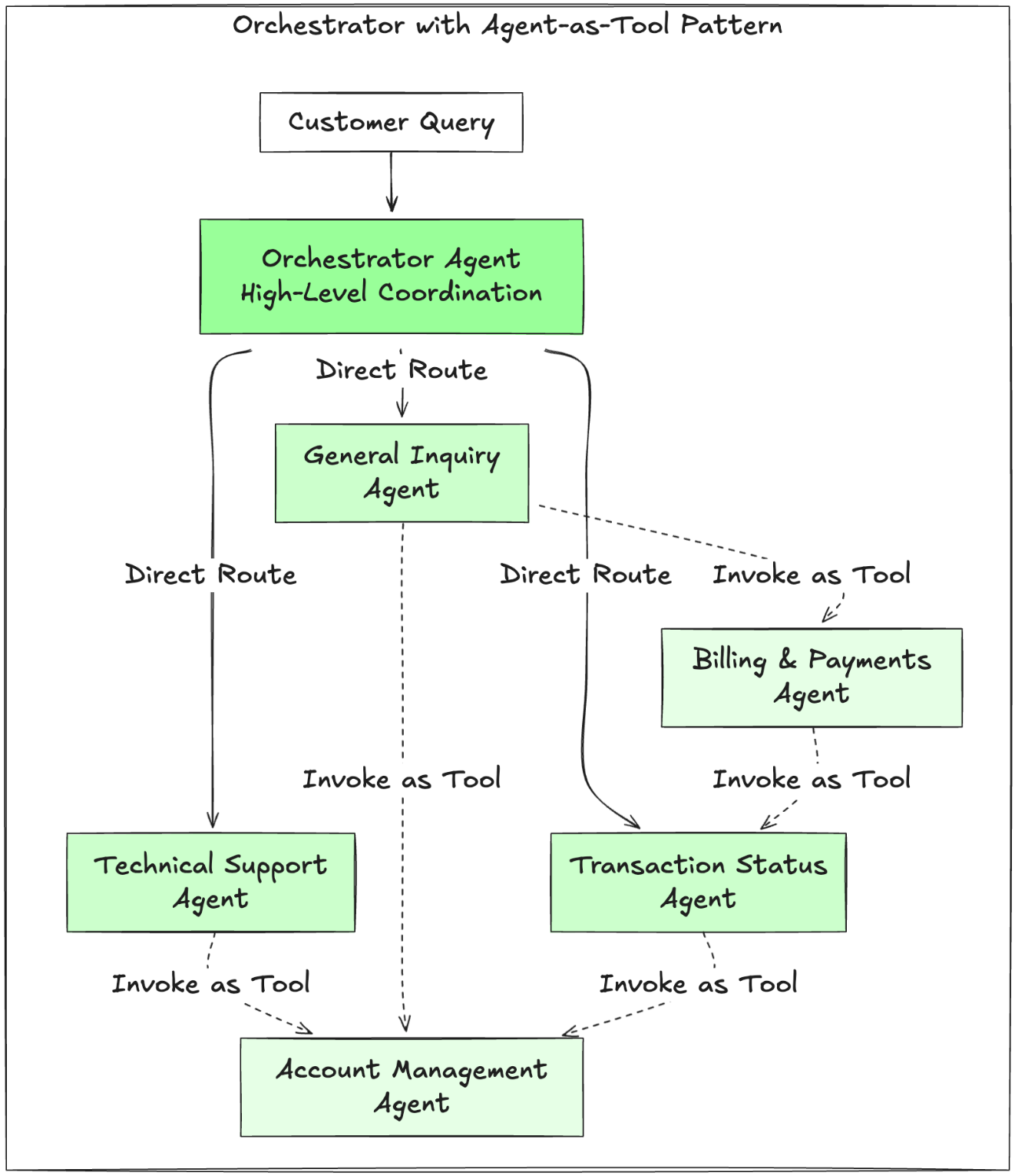
This strategic utilization of AI not only streamlines processes but also enhances the efficiency of service delivery. By leveraging cutting-edge technology, bunq empowers its support staff and provides clients with instantaneous assistance, reflecting a modern approach to digital banking.
By streamlining processes through innovative technology, bunq not only meets customer needs but also enhances overall efficiency. The transition to an AI-centric support structure ideally positions bunq as a leader in the financial technology sector.
Key Details and Context
More Details from the Release
bunq deployed updates to its system three times a day following the architectural shift.
The transformation to an orchestrator architecture was necessary to avoid scalability bottlenecks.
bunq’s system uses a multi-agent architecture for user support.
Finn translates the bunq application into 38 languages.
Finn can process requests in real time using natural language.
70% of the support handled by Finn is fully automated.
Finn operates with an average response time of 47 seconds.
bunq’s generative AI assistant, Finn, handles 97% of support interactions.
bunq deployed updates to its system three times a day following the architectural shift.
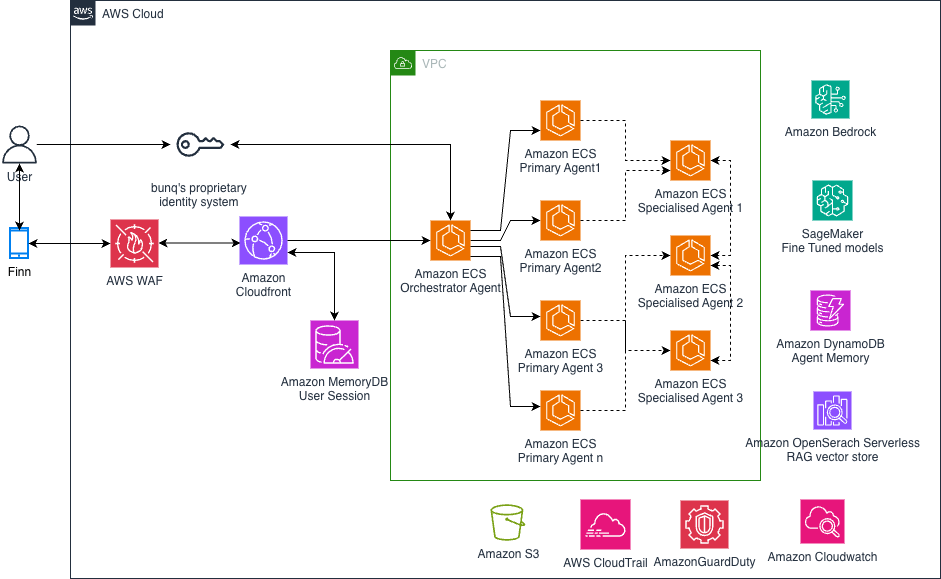
“We went from concept to production in 3 months. Before the orchestrator architecture, escalations were mainly manual. Now Finn handles 97% of support with 70% fully automated and 47-second average response times.”
The transformation to an orchestrator architecture was necessary to avoid scalability bottlenecks.
bunq’s system uses a multi-agent architecture for user support.
Finn translates the bunq application into 38 languages.
Finn can process requests in real-time using natural language.
70% of the support handled by Finn is fully automated.
Finn operates with an average response time of 47 seconds.
bunq’s generative AI assistant, Finn, handles 97% of support interactions.
The seamless integration of AI into the support system allows for swift updates and adjustments as new features roll out or client needs evolve.
Rapid Response Capabilities
One of the standout features of Finn is its rapid response time of just 47 seconds on average. This quick turnaround allows customers to receive timely assistance without delay. The capability to offer automated solutions dramatically eases the burden on human support staff.
Finn’s proficiency in handling requests across various languages further enhances its effectiveness, making it accessible to a global audience. This adaptability is critical in maintaining customer satisfaction and engagement.
Moreover, approximately 70% of these interactions are fully automated, showcasing the robustness of modern AI systems in addressing user queries efficiently. The ability to process requests in real-time using natural language further emphasizes the system’s sophistication.
Multi-Agent Architecture
bunq’s transition to a multi-agent architecture effectively resolves potential scalability bottlenecks. This structural shift allows the company to handle a higher volume of support requests without compromising quality.
This architecture enables rapid system updates without downtime, ensuring that the customer support system remains agile and responsive.
Following the architectural update, bunq has been able to deploy system updates three times daily, ensuring that the support platform remains agile and responsive to changing user expectations.
What Happens Next
Continued Innovation
As bunq continues to expand its AI capabilities, we can anticipate further improvements in customer support interactions. With Finn’s ability to understand and respond in 38 languages, bunq is well-positioned to cater to a diverse and global user base.

By combining advanced AI with consumer-driven support, bunq can enhance the overall banking experience, paving the way for other financial institutions to follow suit in adopting similar technologies.
Why This Matters
Impact on Customer Experience
The implementation of AI in customer support is shaping the future of interactions between consumers and financial services. With Finn handling the majority of inquiries, customers benefit from efficient service and reduced waiting times.


The data shows that by reducing the need for human intermediaries, bunq lowers operational costs while maximizing customer satisfaction. This pioneering approach not only enhances bunq’s reputation but also sets a benchmark for the finance industry.
FAQ
Common Questions about Finn and bunq’s Support
Finn has revolutionized how bunq engages with its clients. Here are some frequently asked questions about this innovative system.
As bunq continues to refine its support strategies, one thing is clear: the future of banking is being reshaped by AI technology from the ground up.

