
Key Takeaways
- Alyah benchmark features 1,173 samples from native Emirati speakers for authenticity.
- It emphasizes the cultural specificity of the Emirati dialect in evaluations.
- 54 diverse language models were assessed using the Alyah benchmark.
- Instruction-tuned models excel in culturally relevant conversational responses.
- The benchmark identifies challenging categories for models, enhancing future LLM training.
What We Know So Far
The Diversity of Arabic Dialects
Alyah benchmark — Arabic is not a monolithic language; it encompasses a broad range of dialects that vary significantly. This diversity poses challenges for language model evaluations, as many models fail to accurately interpret these dialects.
Most benchmarks for Arabic language models have traditionally focused on Modern Standard Arabic, leaving dialects like Emirati largely neglected. This oversight can lead to inaccuracies in understanding and generating dialect-specific content.
The Alyah Benchmark Overview
The Alyah benchmark, launched by researchers, consists of 1,173 samples meticulously collected from native Emirati speakers. This rigorous data collection ensures the authenticity and relevance of the dataset.
A unique aspect of the Alyah benchmark is its focus on culturally embedded meanings and pragmatic usage. The benchmark effectively tests how well language models recognize and generate Emirati dialect phrases in context.
Key Details and Context
More Details from the Release
The benchmark challenges models on culturally embedded meanings and pragmatic usage specific to the Emirati dialect.
Alyah benchmark consists of 1,173 samples collected manually from native Emirati speakers to ensure authenticity.
Most benchmarks for Arabic language models focus on Modern Standard Arabic, neglecting dialects like Emirati.
Arabic is a diverse language with many dialects that differ significantly, impacting language model evaluations.
Alyah serves as a diagnostic tool to guide future data collection and training efforts for Arabic LLMs.
The most difficult categories for the models were ‘Language and Dialect’ and ‘Greeting and Daily expressions’.
Instruction-tuned models generally perform better on questions involving conversational norms and culturally appropriate responses.
54 language models were evaluated using Alyah, including Arabic-native and multilingual models.
The benchmark challenges models on culturally embedded meanings and pragmatic usage specific to the Emirati dialect.
Alyah benchmark consists of 1,173 samples collected manually from native Emirati speakers to ensure authenticity.
Most benchmarks for Arabic language models focus on Modern Standard Arabic, neglecting dialects like Emirati.
Arabic is a diverse language with many dialects that differ significantly, impacting language model evaluations.
Evaluation Process and Models
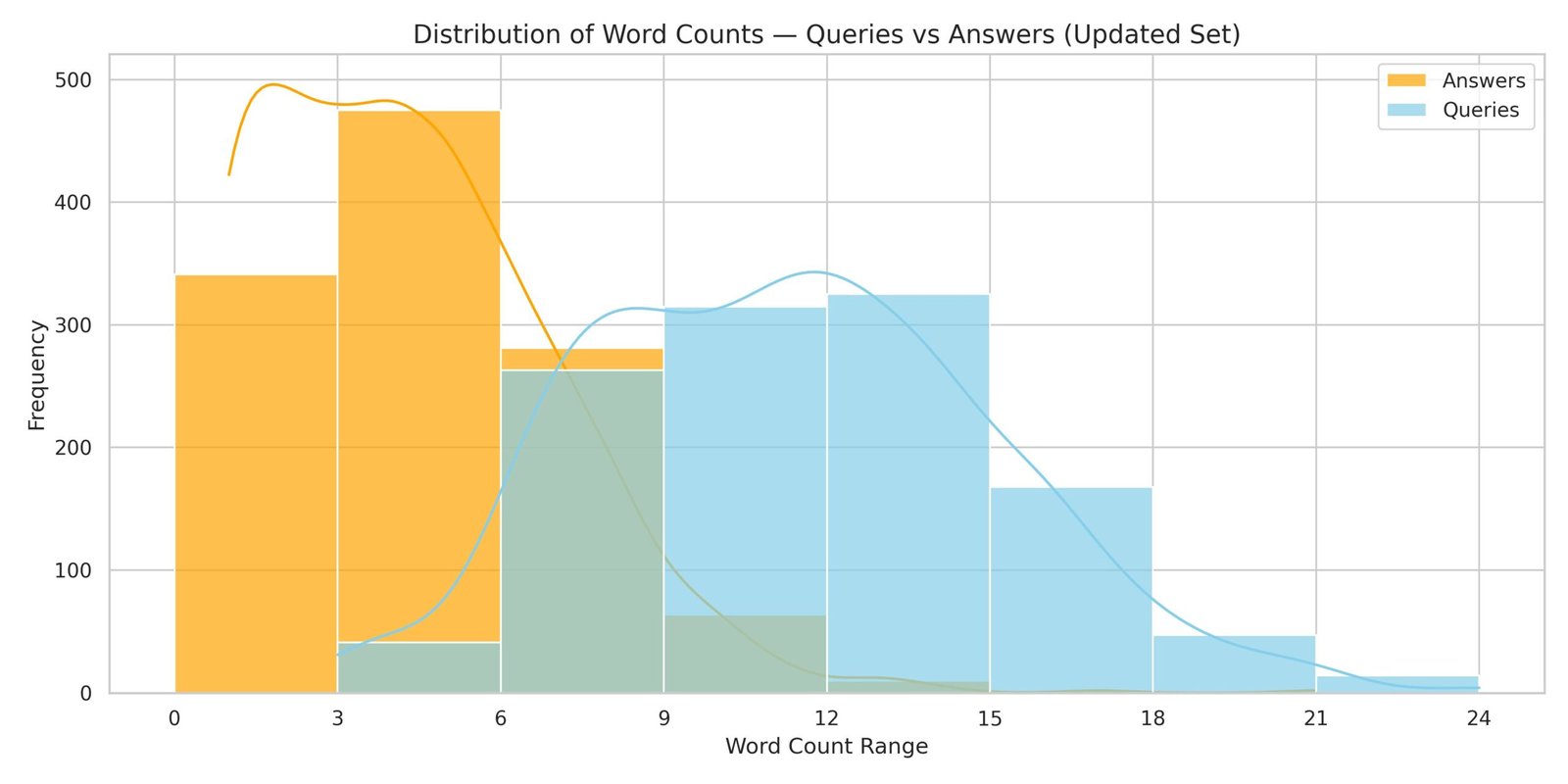
A total of 54 language models were evaluated using the Alyah benchmark, including both Arabic-native and multilingual architectures. This expansive testing ensures a diverse range of performance insights across different model types.
“شو يقصدون به؟ Imagery & Figurative Meaning يوم الواحد يسافر ويستخدم”
Notably, instruction-tuned models demonstrated superior performance on tasks involving conversational norms. These models excelled at generating responses that were not only relevant but also culturally appropriate.
Challenges in Evaluation
The benchmarks revealed specific difficulties for models, with categories such as ‘Language and Dialect’ and ‘Greeting and Daily Expressions’ presenting the toughest challenges. These areas highlighted the nuanced understanding required to accurately convey cultural contexts within the Emirati dialect.
What Happens Next
Future Directions for Arabic LLMs
The Alyah benchmark serves not just as a tool for evaluation but also as a diagnostic instrument to inform future data collection and training efforts. Its findings can guide the development of more culturally aware Arabic language models.

Moving forward, there is a need for continuous improvement and adaptation of models to handle the complexities of interactions within various dialects. This is expected to enhance user experiences and interaction quality across Arabic-speaking populations.
Implications for Developers
Developers are encouraged to integrate the insights gained from the Alyah benchmark into their training regimens. As understanding of dialect nuances improves, so too is expected to the effectiveness of language models in real-world applications.
Furthermore, the Alyah benchmark’s focus on cultural specificity makes it an essential resource for future research aimed at enriching Arabic language processing capabilities.
Why This Matters
Promoting Linguistic Diversity
Efforts like the Alyah benchmark showcase the importance of linguistic diversity in technology. They highlight a need for language resources that cater to all dialects, ultimately promoting inclusivity in AI language processing.
“شو يقصدون باتجاه هالريح؟ Historical & Heritage Knowledge يوم يقولون بالكلام الشعبي”
By emphasizing the Emirati dialect, the benchmark empowers local speakers and ensures that their linguistic heritage is preserved and valued within technological advancements.
Conclusion and Call to Action
In summary, the Alyah benchmark fills a critical gap in current Arabic language model evaluations. Its structured approach to assessing Emirati dialect capabilities enables a more nuanced understanding of language models, paving the way for advancements in AI that respect and incorporate cultural diversity.
As the field continues to evolve, stakeholders must prioritize the development of responsive tools that address the specific needs of Arabic speakers, ensuring that language technology can serve everyone fairly.
FAQ
What is the Alyah benchmark?
It’s a comprehensive tool for evaluating Arabic language models on Emirati dialect.
How many language models were evaluated with the Alyah benchmark?
54 language models were assessed, including Arabic-native and multilingual models.
Why is the Alyah benchmark important?
It focuses on a dialect often neglected in benchmarks, ensuring more accurate evaluations.
What challenges do models face with the Alyah benchmark?
The hardest categories include ‘Language and Dialect’ and ‘Greeting and Daily Expressions’.

