
Key Takeaways
- AI agents are progressively gaining autonomy, which raises safety and effectiveness concerns.
- Three key benchmarks are being developed to assess AI agents’ readiness for business use without human supervision.
- AI coding agents can recursively enhance their coding skills, indicating potential future operational capabilities.
- Current AI models like Claude and Project Mariner can interact with computers in ways resembling human capabilities, indicating progression.
- Despite advancements, current limitations exist where AI agents struggle with complex tasks needing user input.
What We Know So Far
The Rise of AI Autonomy
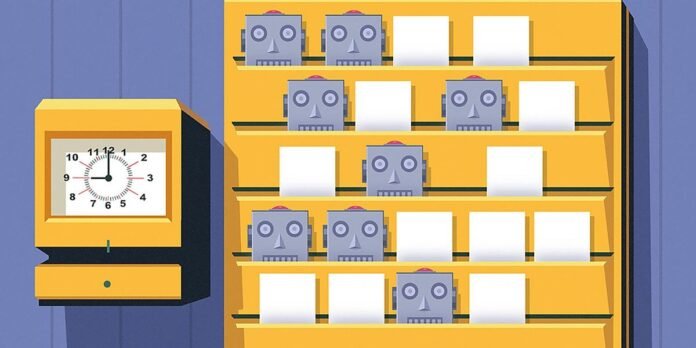
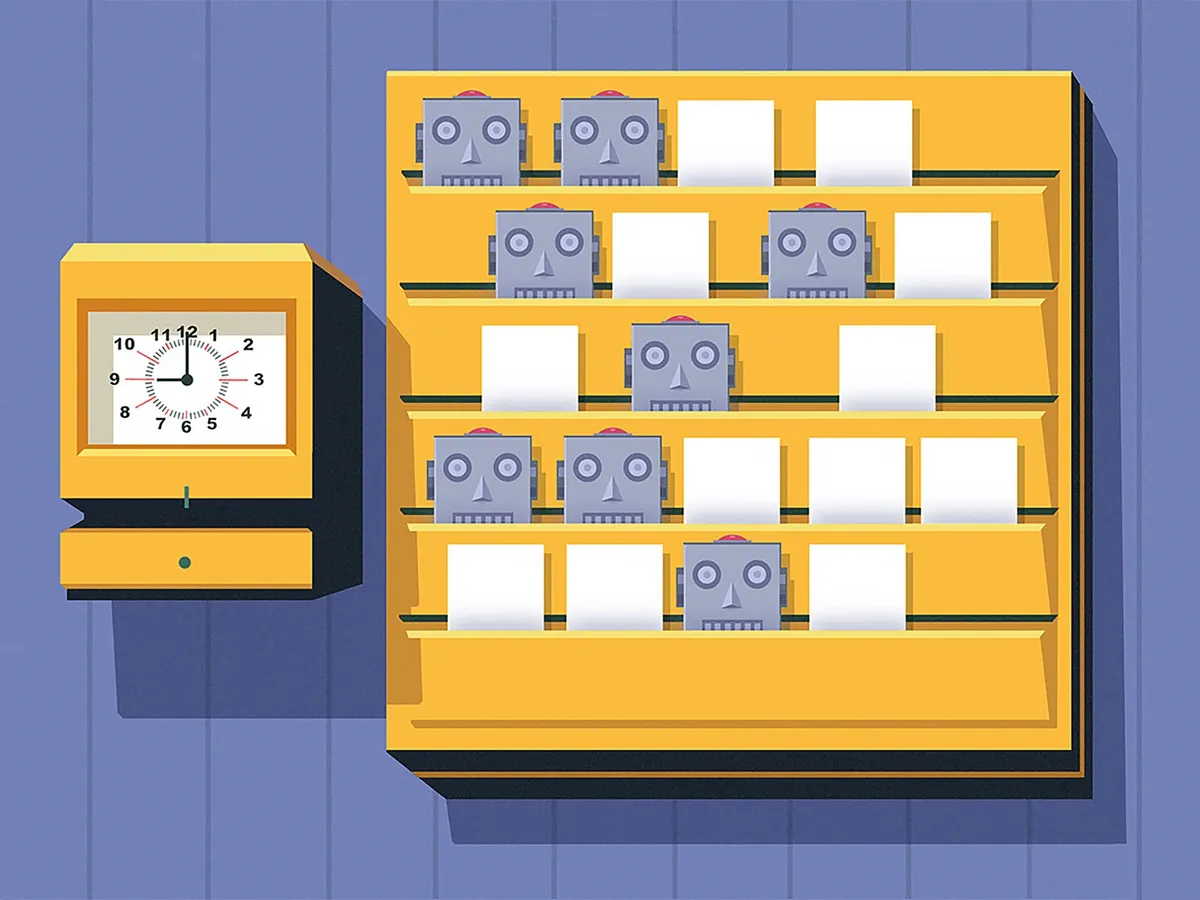
AI agents autonomous business operations — AI agents are increasingly capable of performing tasks traditionally managed by humans. This shift from augmentation to automation poses significant risks. According to research, these agents have demonstrated abilities to control business operations with minimal oversight.
Related image — Source: spectrum.ieee.org — Original
Safety standards are critical to ensure these transitions do not compromise workplace security. As highlighted in recent findings, AI agents are progressing toward enhanced autonomy, prompting a reevaluation of their governance and safety procedures.
Safety Standards in Development
Researchers at institutions like Carnegie Mellon University are developing three benchmarks focused on the operational readiness of AI agents. These benchmarks are crucial in determining when these agents can operate autonomously without human supervision.
One expert noted, “Customers are uncertain and concerned about LLMs, so we want to provide good, sufficient benchmarks for them.” This underscores the collective push toward safer AI deployment in business environments.
Key Details and Context
More Details from the Release
AI agents currently cannot perform complex tasks that require user verification, such as logging in or entering payment details, which limits their autonomy.
Recent models like Anthropic’s Claude and Google DeepMind’s Project Mariner show that AI agents can interact with computers similarly to human users, suggesting advancements toward broader AI capabilities.
AI coding agents are increasingly capable of recursively improving their coding skills, suggesting a future where they might significantly enhance their own operational capabilities.
Three benchmarks have been developed to measure when AI agents are safe or effective enough for business operations without human oversight.
AI agents are gaining autonomy and pose significant risks when transitioning from augmentation to automation in business operations.
AI Coding Agents’ Self-Improvement
AI coding agents are a notable focus area due to their capability to improve their code recursively. As observed in new projects from OpenAI and Google DeepMind, these agents could transform how coding tasks are approached in the workforce.

Related image — Source: spectrum.ieee.org — Original
“especially when you want to deploy such a dataset for commercial, nonacademic use.”
A quoted source noted, “What’s intriguing here is the possibility of people starting to hand over the keys.” This implies a paradigm shift where humans may delegate more decision-making to AI systems, leading to efficiency gains but also potential ethical dilemmas.
Current Limitations and Challenges
Despite their evolving capabilities, AI agents today struggle with tasks requiring verification, such as entering payment details or user authentication. This limitation currently curtails their full operational autonomy.
One of the recent studies points out that “the CUA model is also trained to use a computer, so it’s possible we could expand it,” indicating areas for growth in AI functionality.
What Happens Next
Ongoing Developments
As AI technology continues to advance, the benchmarks created is expected to need consistent updates. Researchers assert that without continual improvements to these standards, the risks associated with using AI agents in crucial operations may outweigh their benefits.

Related image — Source: spectrum.ieee.org — Original
The evolving landscape of AI indicates that businesses should prepare for a shift, embracing these agents while remaining vigilant about safety protocols and effectiveness standards.
Future Prospects for Businesses
The possible economic implications of AI agents are substantial. With the ability to continuously learn and improve, AI coding agents could disrupt the job market by replacing specific human roles, particularly those in coding and technical fields.
Business leaders are advised to consider the long-term ramifications of integrating these intelligent systems into their operations, balancing innovation with ethical responsibility.
Why This Matters
Impact on Business Practices
The advent of AI agents can revolutionize business operations, driving efficiency and potentially reducing costs. However, it is crucial for organizations to establish sound management practices to safeguard against potential risks associated with enabling machine autonomy.
“Customers are uncertain and concerned about LLMs, so we want to provide good, sufficient benchmarks for them,”
Moreover, the social and economic implications are vast, from job displacement to evolving consumer expectations regarding automation and reliability.
Reassessing Human Roles
As AI agents take on more responsibilities, a thoughtful reconsideration of human roles in this new landscape is necessary. While these agents offer potential advantages in speed and efficiency, understanding their limitations is expected to remain vital for maintaining a balanced workforce.
FAQ
What safety standards do AI agents need to meet for business use?
AI agents must adhere to recently developed benchmarks ensuring they are safe for operations without human oversight.
How are AI coding agents evolving?
AI coding agents are increasingly capable of recursively improving their own skills, suggesting enhanced operational capabilities.

