
Key Takeaways
- AI agents reduce deployment time from hours to minutes using Infrastructure as Code.
- Automated validation ensures security standards are met for production environments.
- AI agents enhance operational visibility through real-time performance monitoring.
- Partnerships with AWS facilitate effective AI integrations in business applications.
- AI agents support diverse applications, from financial guidance to customer service automation.
What We Know So Far
AI agents are increasingly shaping the future of work by automating various processes across industries. These intelligent systems can perform complex tasks autonomously, allowing companies to streamline operations and enhance efficiency. The integration of AI agents enables organizations to redirect human effort towards more strategic initiatives, fostering innovation within teams.
AI technology continues to evolve rapidly, providing businesses with advanced solutions that can adapt to changing market dynamics. Through leveraging AI agents, organizations can, in turn, achieve greater agility and responsiveness to consumer demands.
One of the key enablers of successful AI agent deployments is Amazon Bedrock, a framework that simplifies the utilization of AI technologies, making it easier for businesses to integrate AI capabilities into their workflows. By leveraging these capabilities, companies can ensure that their operations remain efficient amidst evolving challenges.
The Role of AWS in AI Development
The AWS ecosystem provides tools essential for developing AI agents, including Infrastructure as Code (IaC). This method reduces manual configuration errors while accelerating deployment times from hours to merely minutes. The technological infrastructure lays a solid groundwork for effective automation.
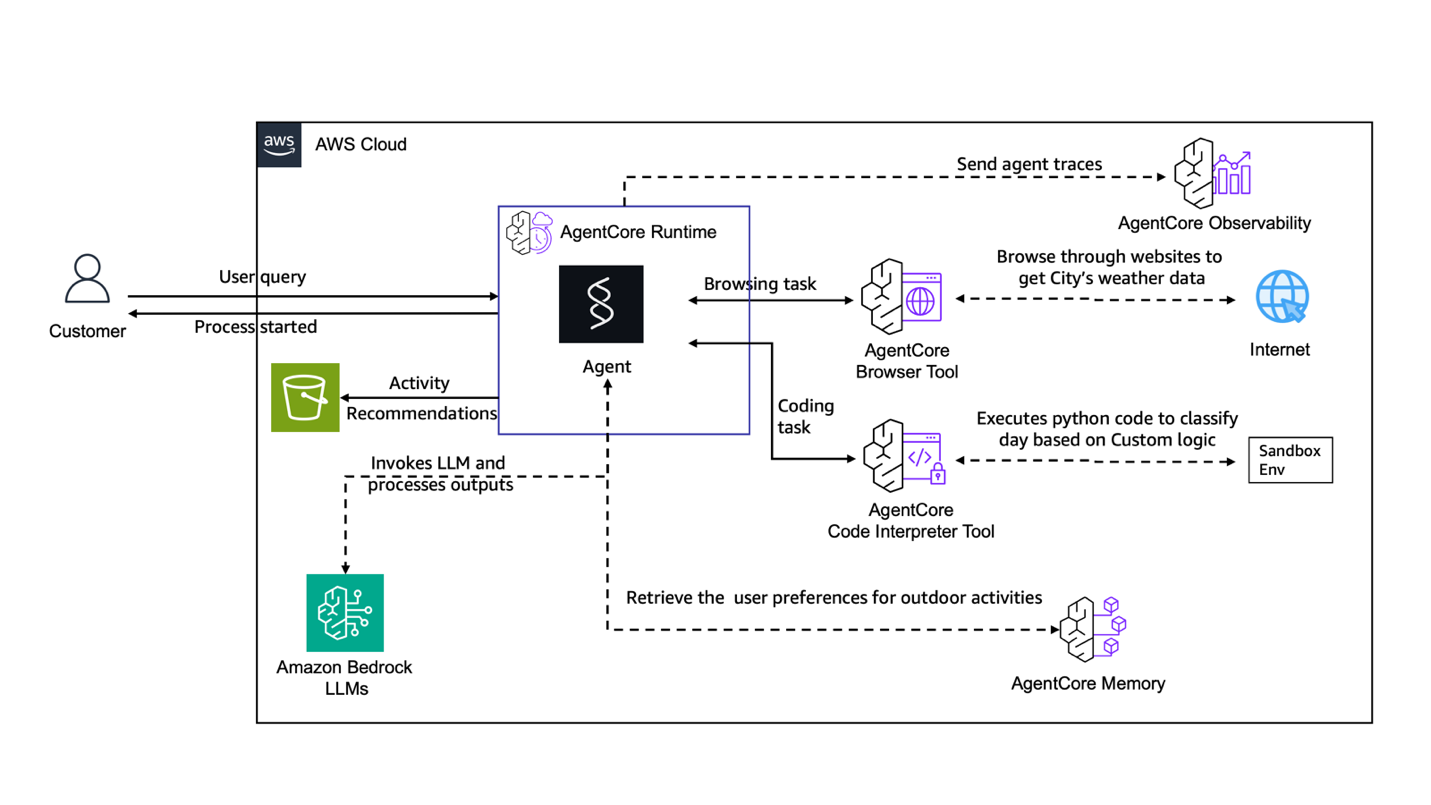
Notably, Amazon Bedrock AgentCore services offer seamless integration with various IaC frameworks like AWS CDK, Terraform, and AWS CloudFormation Templates, ensuring flexibility in deployment. This compatibility allows for customized deployments that meet specific organizational needs.
Key Details and Context
More Details from the Release
Partnerships with AWS can accelerate cloud journeys and maximize the potential of AI integrations. The collaborative efforts aim to provide robust support structures, enhancing scalability for organizations seeking growth.
AI agents can facilitate various business applications from financial guidance to customer service automation. These versatile tools improve engagement, leading to higher customer satisfaction rates.
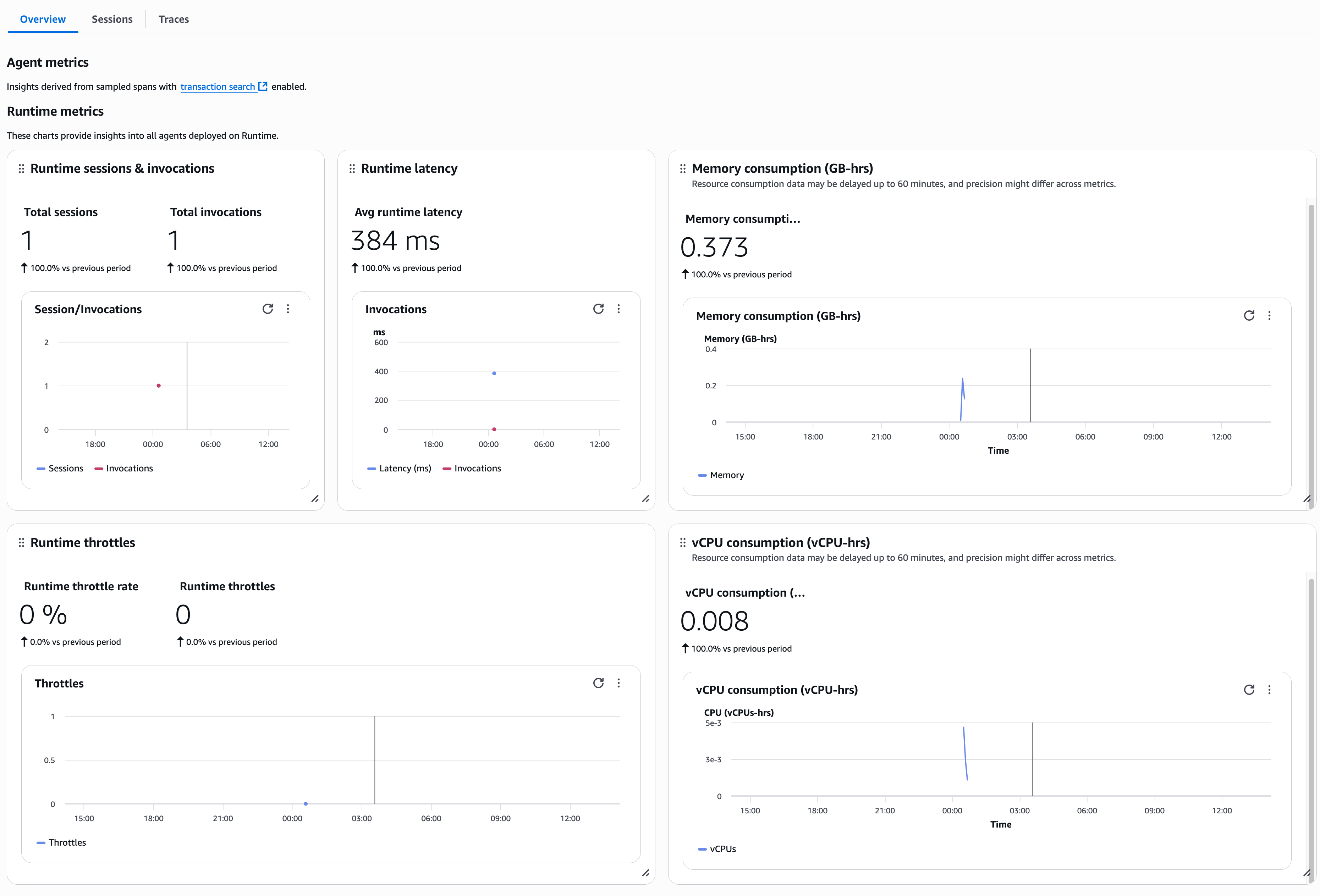
AI agent deployments can utilize real-time performance monitoring to enhance reliability and operational visibility. This capability equips organizations with the insights needed to conduct performance evaluations swiftly.
Automated validation of security standards is crucial for maintaining agentic system availability in production environments. Implementing these measures safeguards critical data and operational functions.
Amazon Bedrock AgentCore services support various IaC frameworks including AWS Cloud Development Kit (AWS CDK), Terraform, and AWS CloudFormation Templates. This compatibility emphasizes the adaptability of Amazon’s offerings in deploying AI-driven applications.
Using Infrastructure as Code decreases deployment time from hours to minutes, improving efficiency in AI agent setups. Consequently, this empowers businesses to be more proactive and responsive in a fast-paced environment.
Infrastructure as Code (IaC) provides a reliable framework for managing AI agent infrastructure, essential for autonomous operations. This structure not only streamlines the development process but also minimizes operational friction.
Agentic-AI is crucial for deploying production-ready AI applications, helping to minimize manual configuration errors and reducing deployment time. Achieving efficiency in this aspect is vital for sustaining competitive advantage in today’s market.
The importance of automated validation in AI systems cannot be overstated. Proper validation of security standards is crucial for maintaining agentic systems’ availability in production environments. These protocols keep data protected and operational capabilities intact, ensuring trust in automated processes.
Furthermore, AI agents can utilize real-time performance monitoring tools that enhance reliability and provide operational visibility. This allows organizations to quickly address performance anomalies and optimize processes. This capability is essential in maintaining effectiveness amid shifting operational landscapes.
Expanding Applications of AI Agents
AI agents have proven to be versatile in their applications, ranging from financial advising to customer service automation. Organizations are tapping into these capabilities to improve customer experiences and make informed business decisions based on data-driven insights. This ultimately enhances the overall value proposition to clients.
Moreover, partnerships with AWS can significantly accelerate an organization’s cloud journey, enabling efficient AI integrations and unlocking new opportunities for growth and innovation. The collaborative environment fosters inventive approaches to leveraging AI across differing sectors.
What Happens Next
As the adoption of AI agents continues to rise, we can expect further advancements in technology and operational capabilities. Organizations are expected to increasingly leverage AI to automate tedious tasks that hinder productivity, thereby achieving streamlined workflows and enhanced effectiveness.
Moreover, the continued evolution of Infrastructure as Code is expected to bring even more efficient frameworks for deploying AI agents, making them more accessible to a wider range of businesses, from startups to established enterprises. This democratization of technology ensures that innovation is not confined to large organizations alone.
Future Trends in AI
It is likely that organizations is expected to focus on enhancing their AI capabilities, driving research into more sophisticated algorithms and machine learning models that can adapt in real-time. The demand for skilled professionals in AI and machine learning is expected to rise accordingly, creating a robust labor market centered on technical expertise.
This shift towards AI integration is expected to encourage collaboration between technology providers and businesses to co-create solutions that are effective and scalable. This synergy is crucial for fostering an environment ripe for innovation and progress.
Why This Matters
The burgeoning field of AI agents is crucial as it revitalizes the workforce by allowing employees to focus on more strategic tasks. This has implications for job design and skill development in the workforce of tomorrow, positioning employees for success in a rapidly changing job market.
Additionally, the effective deployment and management of AI agents can lead to significant cost savings and operational efficiencies, impacting bottom lines and overall business landscapes. In this evolving future, staying ahead of the technology curve is expected to be essential for growth.
FAQ
Here are some frequently asked questions about AI agents:
What is an AI Agent?
An AI agent is a software application that uses artificial intelligence to perform tasks autonomously.
How does Infrastructure as Code benefit AI deployments?
It minimizes manual errors and accelerates the deployment process for AI applications.
What role does Amazon Bedrock play in AI development?
Amazon Bedrock provides essential services and frameworks for building and managing AI agents.
“AI agents enhance operational visibility through real-time performance monitoring.”

