

AI blood cell detection — Key Takeaways
- CytoDiffusion achieves higher accuracy in identifying abnormal blood cells than human specialists.
- The AI analyzes subtle blood cell morphology variations for precise disease diagnoses.
- Trained on over 500,000 blood smear images, CytoDiffusion enhances diagnostic sensitivity.
- The system aids clinicians by identifying unusual cases and improving the processing of routine blood samples.
- Collaboration among top UK universities marks a significant advancement in AI for medical diagnostics.
What We Know So Far
Introduction to CytoDiffusion
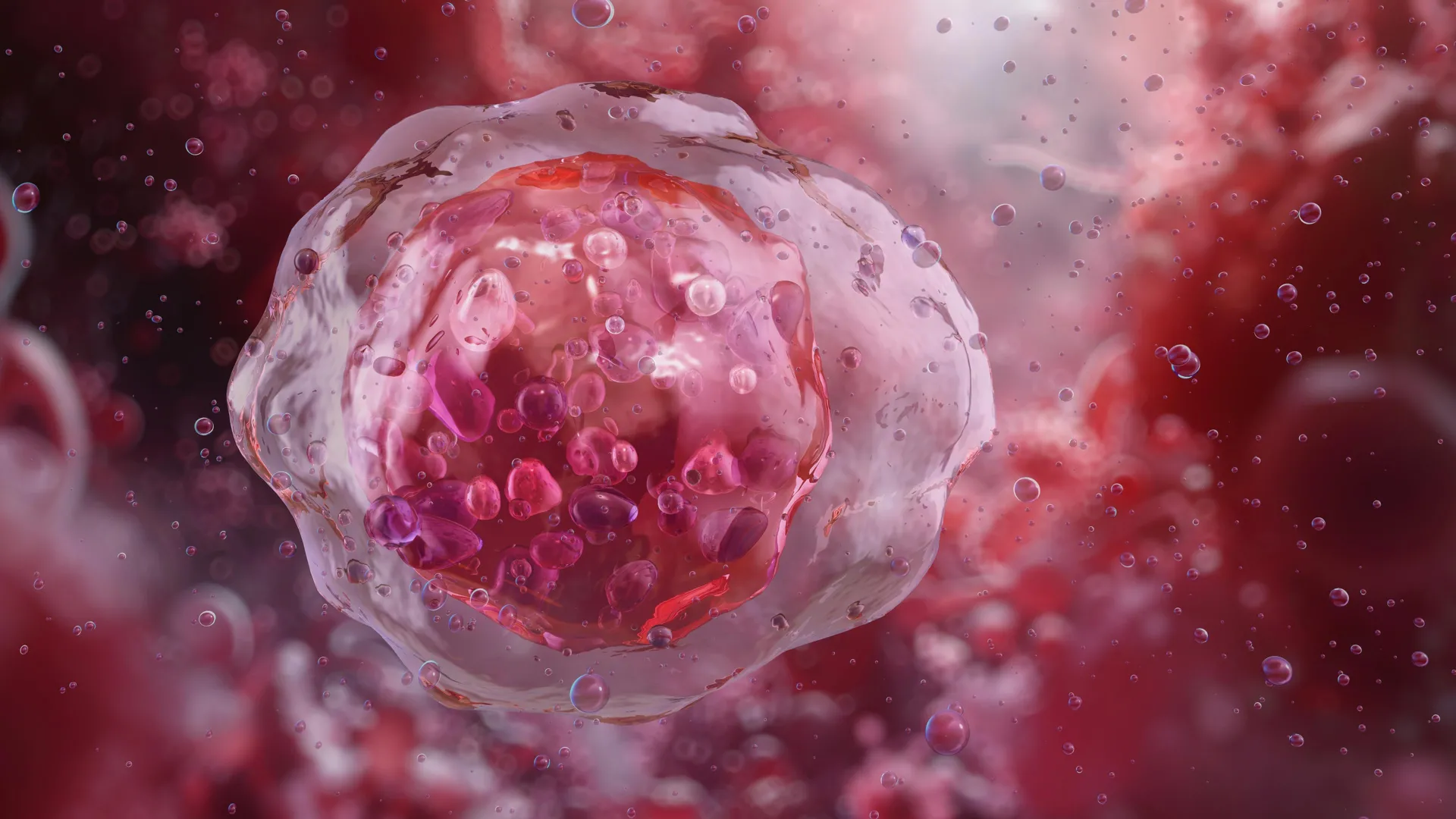
AI blood cell detection — Recent advancements in artificial intelligence have led to the development of CytoDiffusion, a groundbreaking system designed to enhance the detection of abnormal blood cells. This technology was developed collaboratively by experts from the University of Cambridge, University College London, and Queen Mary University of London.

By leveraging modern AI techniques, CytoDiffusion is capable of analyzing millions of cells rapidly and with unparalleled accuracy. This system is set to redefine standards in hematology diagnostics.
CytoDiffusion utilizes deep learning algorithms to scrutinize subtle variations in blood cell morphology, enabling it to identify dangerous blood cells, especially those associated with disorders such as leukemia, more accurately than human specialists.
Operational Mechanism
The AI system is trained using a vast dataset of over half a million blood smear images, equipping it with the capability to discern the full range of normal and abnormal cell appearances.
This thorough training process allows CytoDiffusion to not only detect known abnormalities but also adapt to novel cases as they arise in clinical practice.
Simon Deltadahl, a researcher involved in the project, noted the significance of recognizing different blood cells: “We’ve all got many different types of blood cells that have different properties and different roles within our body.” He emphasized that distinguishing unusual or diseased cells is crucial for diagnosing various health conditions.
Key Details and Context
More Details from the Release
The research was conducted by teams from the University of Cambridge, University College London, and Queen Mary University of London. Training AI to recognize the full range of normal blood cell appearances improves its diagnostic capabilities.

“We’ve all got many different types of blood cells that have different properties and different roles within our body,”
The AI assists clinicians by flagging unusual cases and processing routine blood samples. Moreover, CytoDiffusion can generate synthetic images of blood cells that are indistinguishable from real ones.
The AI system exhibited a higher sensitivity than existing diagnostic methods for detecting leukemia, paving the way for more precise and effective medical interventions.
CytoDiffusion was trained on more than half a million blood smear images, highlighting its robustness and reliability.
The AI system examines subtle variations in blood cell morphology to diagnose diseases. It can identify abnormal blood cells with greater accuracy and consistency than human specialists.
Improving Diagnostic Sensitivity
Clinical validation showed that CytoDiffusion demonstrated significantly higher sensitivity in detecting leukemia compared to traditional diagnostic methods. This improved sensitivity means that the AI could potentially detect cases that human specialists might overlook.
Moreover, CytoDiffusion is designed to assist clinicians by flagging unusual cases for further review. Simon remarked on the overwhelming nature of analyzing extensive blood films, stating, “Humans can’t look at all the cells in a smear — it’s just not possible.” Thus, automating this process could lead to quicker and more reliable diagnostics.
Enhancing Routine Blood Sample Processing
The AI can not only identify abnormalities but also triage routine blood samples efficiently. Deltadahl expressed his confidence in AI’s capabilities, stating, “As I was analyzing them in the late hours, I became convinced AI would do a better job than me.” This efficiency is crucial in a clinical setting where timely analyses are essential.
With CytoDiffusion enhancing predictive analytics in diagnostics, healthcare providers can direct their focus towards patient care rather than manual analyses of samples, thus optimizing clinical workflows.
What Happens Next
The Future of AI in Diagnostics
As CytoDiffusion continues to evolve, the integration of AI into medical diagnostics is expected to expand. The collaborative efforts of top universities signal ongoing research aimed at further improving diagnostic tools in healthcare.

With enhanced capabilities in detecting blood disorders, this AI technology could pave the way for earlier interventions and better patient outcomes. Future studies may focus on integrating CytoDiffusion into everyday clinical practices, establishing it as a standard tool for hematological analysis.
Potential for Broader Applications
Beyond leukemia diagnosis, the methodologies developed could extend to other blood disorders and conditions, significantly impacting how hematology is approached in both academic and clinical settings. Researchers are excited about the prospects of applying similar AI-driven insights across a wider array of medical challenges.
Why This Matters
Advancing Healthcare Standards
The introduction of CytoDiffusion represents a pivotal moment in how we approach diagnostic medicine. By leveraging AI technology, the chances of misdiagnosis can be reduced, enhancing the overall quality of patient care.
“White blood cells specialize in fighting infection, for example. But knowing what an unusual or diseased blood cell looks like under a microscope is an important part of diagnosing many diseases.”
Additionally, the collaboration between esteemed universities showcases the potential for academic research to benefit public health initiatives directly, bridging the gap between technology and healthcare.
Impact on Patients and Clinicians
For clinicians, having a reliable system that enhances diagnostic accuracy translates directly to better patient management and outcomes. As systems like CytoDiffusion develop, they are expected to likely become integral parts of clinical workflows, revolutionizing the way blood disorders are diagnosed and managed.
FAQ
How does CytoDiffusion improve leukemia diagnosis?
It utilizes advanced AI algorithms to identify abnormal blood cells with greater sensitivity than traditional methods.
What is the training background of CytoDiffusion?
CytoDiffusion was trained on more than half a million blood smear images to enhance its detection capabilities.

