
Key Takeaways
- LangGraph is a framework for creating AI agents using graph structures to represent states.
- Agents improve decision-making and memory for complex problem-solving in AI applications.
- Nodes in LangGraph define the agent’s state, while edges establish transitions between these states.
- Necessary libraries must be installed and an API key set up for effective utilization of LangGraph.
- Using the @tool decorator, LangGraph enables agents to fetch information needed for effective responses.
What We Know So Far
Understanding LangGraph
LangGraph agent — LangGraph is a powerful framework designed for creating AI agents that leverage graphs comprising nodes and edges to represent various states and transitions. This structure allows for enhanced interaction and decision-making capabilities, positioning LangGraph as a robust tool for AI development.
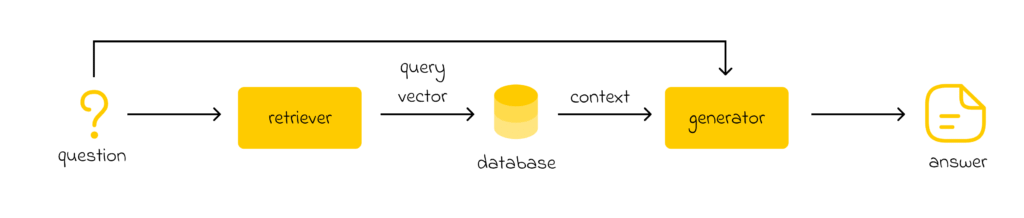
Related image — Source: towardsdatascience.com — Original
According to available evidence, agents introduced by LangGraph extend standard LLM (Large Language Model) functions by incorporating state, memory, and decision-making capabilities. This enables a more advanced way of handling complex problem-solving situations.
Graph Structures
In the context of LangGraph, nodes encapsulate the agent’s evolving state, while edges delineate the control flow connecting these nodes. This unique approach fosters flexibility and adaptability in agent behavior as the situations change.
As noted, LangGraph can efficiently manage intricate graphs and decision chains, rendering it suitable for large-scale projects that demand systematic management of various states.
Key Details and Context
More Details from the Release
The final output of a LangGraph agent can be customized based on user input and the tools defined in the graph.
To build a LangGraph, nodes are added using the add_node() method and edges with the add_edge() method.
LangGraph can handle complex graphs and decision chains effectively, making it suitable for larger projects.
Tools in LangGraph are defined using a function with a @tool decorator, helping agents retrieve necessary information for answering questions.
The installation of necessary libraries and setting up an API key is required to utilize LangGraph effectively.
In LangGraph, nodes represent the agent’s state, which evolves over time, while edges define the control flow between nodes.
Agents introduce state, decision-making, and memory capabilities to address complex problem-solving beyond standard LLM training.
LangGraph is a framework used for creating agents, utilizing graphs with nodes and edges to represent states and transitions.
The final output of a LangGraph agent can be customized based on user input and the tools defined in the graph.
To build a LangGraph, nodes are added using the add_node() method and edges with the add_edge() method.
LangGraph can handle complex graphs and decision chains effectively, making it suitable for larger projects.
Tools in LangGraph are defined using a function with a @tool decorator, helping agents retrieve necessary information for answering questions.
The installation of necessary libraries and setting up an API key is required to utilize LangGraph effectively.
In LangGraph, nodes represent the agent’s state, which evolves over time, while edges define the control flow between nodes.
Agents introduce state, decision-making, and memory capabilities to address complex problem-solving beyond standard LLM training.
LangGraph is a framework used for creating agents, utilizing graphs with nodes and edges to represent states and transitions.
Getting Started
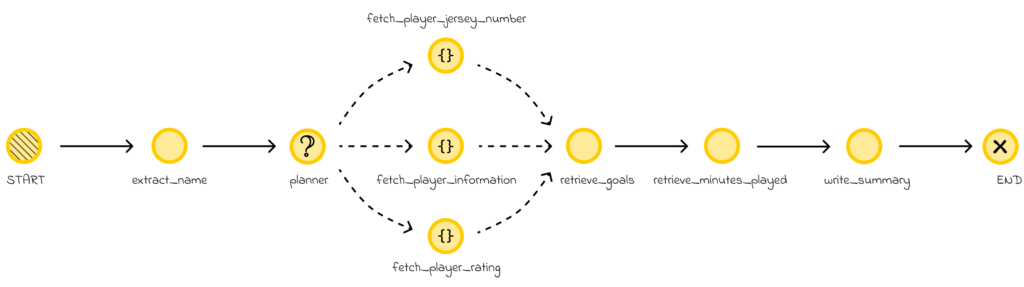
Building a LangGraph agent begins with installing necessary libraries and obtaining an API key, setting the stage for effective utilization of the framework. This initial step is crucial as it lays the groundwork for smooth development and implementation.
Related image — Source: towardsdatascience.com — Original
Once the setup is complete, the construction of the graph can commence. Essential commands involve adding nodes with the add_node() method and connecting these nodes with the add_edge() method, allowing for a structured and purpose-driven approach to agent development.
Utilizing Tools
In LangGraph, tools are defined using a function marked with the @tool decorator. This allows the created agents to access and retrieve the information necessary for responding to user queries, making agent interactions seamless and efficient.
The agility and flexibility of LangGraph agents, enhanced through the use of these tools, ensure that they can handle a wide range of scenarios, adapting to specific user needs and situations.
What Happens Next
Future Developments
The ongoing development of LangGraph signifies a shift towards more capable AI agents, which can process larger and more complex data sets. This capability is essential for addressing more nuanced tasks and challenges in AI applications.

Related image — Source: towardsdatascience.com — Original
As LangGraph continues to evolve, enhancements in decision-making and state management are anticipated, reflecting an industry trend towards smarter and more responsive AI tools.
Broader Implications
The introduction of graph-based structures within AI frameworks like LangGraph presents a myriad of possibilities for industries relying on AI-driven solutions. Enhanced memory and decision-making capabilities is expected to lead to groundbreaking advancements in fields such as healthcare and customer service.
The potential for LangGraph to revolutionize agent development underlines the significance of embracing these technologies for future AI endeavors.
Why This Matters
Significance of LangGraph
LangGraph represents a significant advancement in the creation of AI agents. By facilitating the representation of states and transitions through graphs, it provides a clear methodology for tackling complex problems in AI.
Encouraging a shift in how agents are designed and utilized, LangGraph not only enhances efficiency but also opens doors to innovative applications across various sectors.
Continued Research and Exploration
The practices established with LangGraph reflect a broader trend in AI development, where adaptability and efficiency are paramount. Continuous research into graph-based frameworks is expected to likely yield further improvements in agent capabilities.
Staying abreast of developments in this area is crucial, as LangGraph may become integral to the functioning of future AI systems.
FAQ
Common Inquiries
If you’re new to LangGraph or curious about its functionalities, here are some frequently asked questions to help clarify its applications and usage:
What is LangGraph used for?
LangGraph is extensively utilized to create innovative AI agents that efficiently manage various states and transitions, fostering improved interactions and responses.

