
What We Know So Far
Key Details and Context
What Happens Next
Why This Matters
Related image — Source: marktechpost.com — Original
Related image — Source: marktechpost.com — Original

Related image — Source: marktechpost.com — Original
FAQ
Claude Opus 4.6 — Key Takeaways
- Claude Opus 4.6 introduces a 1M token context window for enhanced long-context reasoning.
- The model supports 128k output tokens, expedient for detailed reports and extensive edits.
- An innovative ‘agent teams’ mode enables multiple autonomous agents to work on parallel tasks.
- Improved judgment allows the model to tackle ambiguous problems and maintain productivity over longer sessions.
- Pricing structures for high token counts make the advanced model accessible at $10 per 1M input tokens and $37.50 per 1M output tokens.
What We Know So Far
Claude Opus 4.6 Release
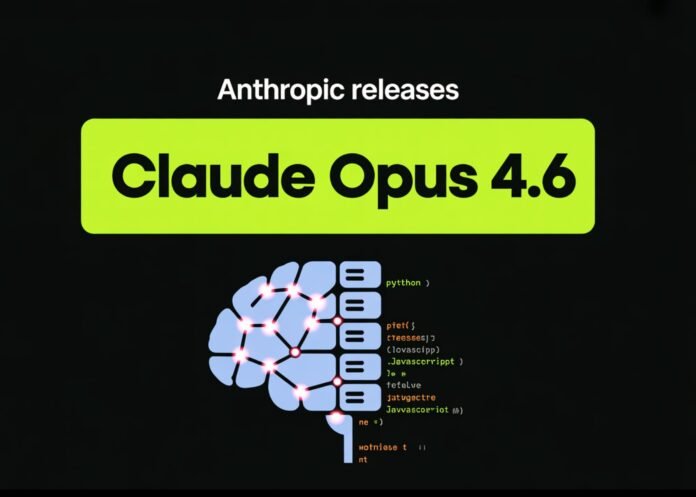
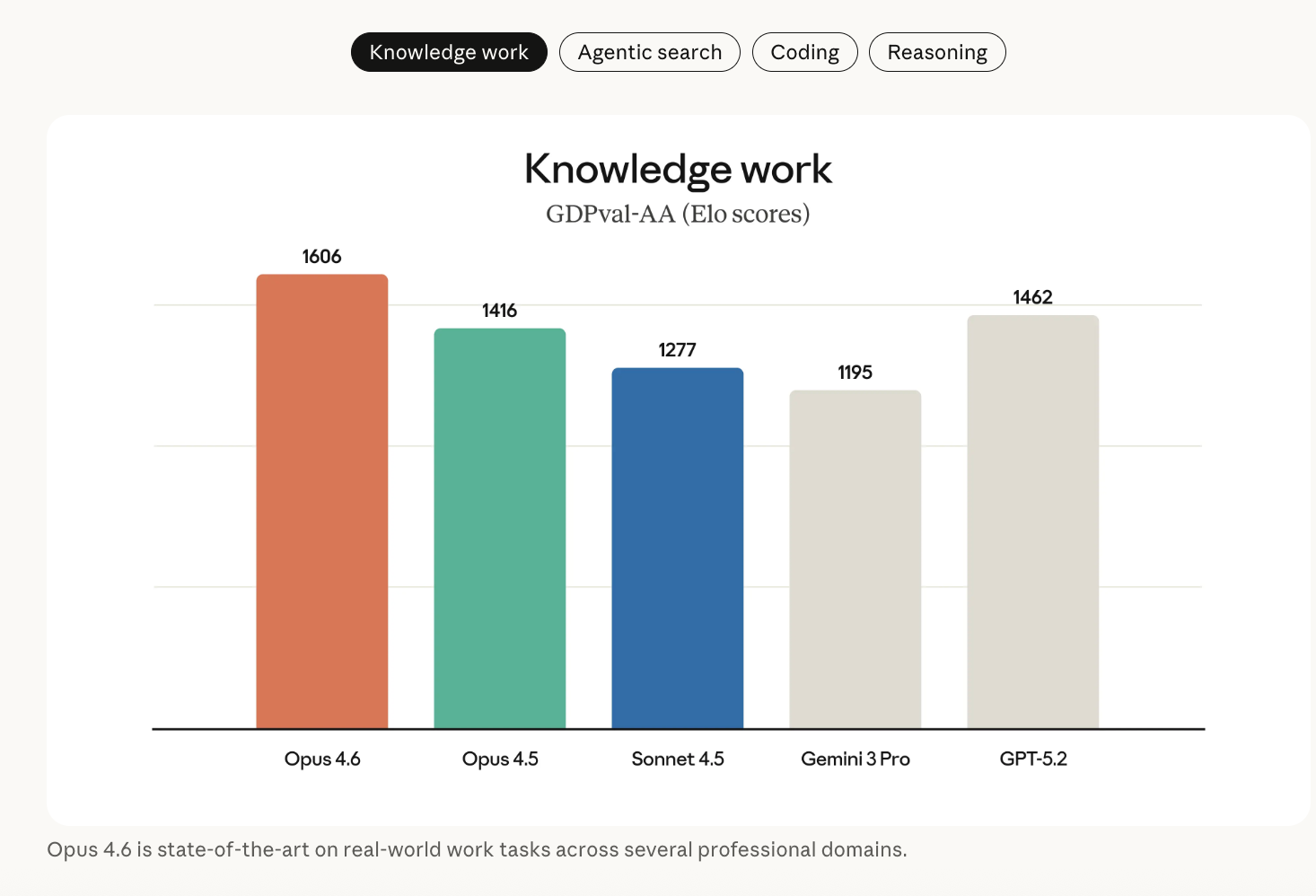
Anthropic has launched Claude Opus 4.6, marking its most capable model yet. This version emphasizes advancements in long-context reasoning and agentic coding, designed specifically for knowledge work applications. The enhanced features make it ideal for professionals who rely on intricate data processing.
This upgrade not only increases the model’s efficiency but also broadens its applicability in various sectors, such as legal, medical, and creative fields. The ability to handle a greater volume of tokens in context allows for deeper, more nuanced interactions, ultimately leading to better user experiences.
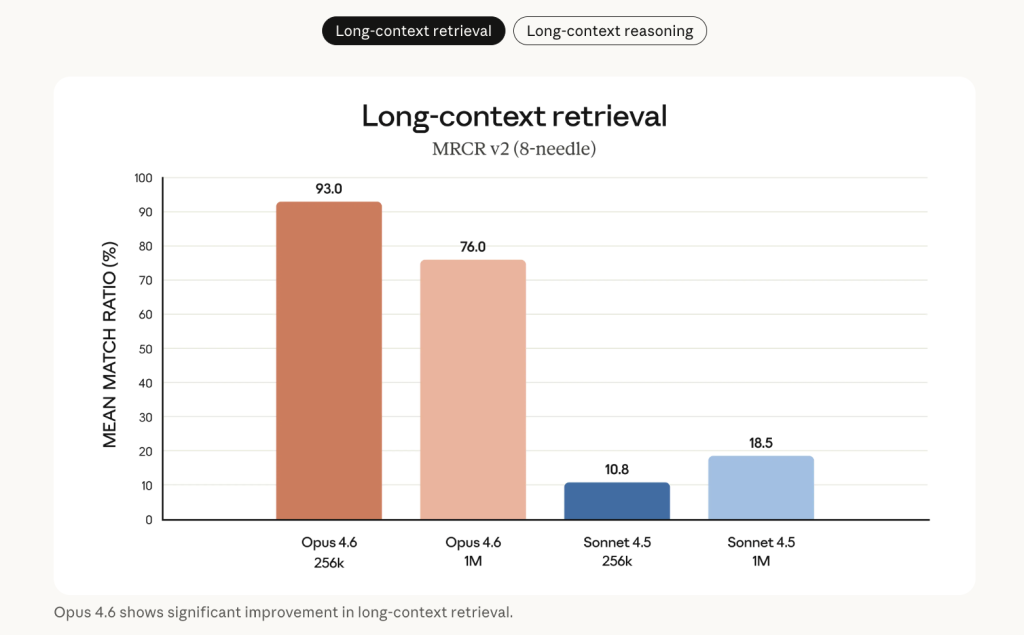
The model’s key upgrade includes a beta feature allowing for a robust context window of 1 million tokens. This is a significant leap over its predecessors, vastly improving its usability in complex, multi-layered tasks. Such advancements not only improve workflow efficiency but also enhance cognitive assistance for users, making complex reasoning more feasible.
With these capabilities, professionals can expect Claude Opus 4.6 to provide tangible advantages in productivity, particularly for roles that require constant engagement with large datasets or complex narratives. This increased capacity offers a solution for common challenges faced in knowledge work, especially in scenarios where traditional models fall short.
Key Details and Context
More Details from the Release
Pricing for prompts above 200k tokens in 1M-context mode rises to $10 per 1M input tokens and $37.50 per 1M output tokens. This structure is not only competitive but is also aimed at providing value for users seeking advanced capabilities without breaking the bank.
The model can additionally execute multi-step workflows without continuous human prompting, especially in the Cowork environment, which enhances its collaborative potential in team settings.
Claude Opus 4.6 has been reported to achieve a score of 76% on the MRCR v2 benchmark for long-context retrieval, underscoring its effectiveness in navigating extensive information networks. It can handle ambiguous problems with improved judgment, staying productive during longer sessions, which is particularly useful in high-stakes industries.
Furthermore, the introduction of ‘agent teams’ mode allows users to harness the power of collaboration among multiple agents. This feature amplifies efficiency and opens new avenues for automation, making workflows smoother and more productive in various contexts.
The model supports up to 128k output tokens, suitable for lengthy reports and structured multi-file edits. This can significantly reduce the time required for document production, while improving clarity and coherence across various types of outputs.
Opus 4.6 features a 1M token context window in beta, which is a significant increase over previous models. This enhancement is expected to likely set new standards for similar technologies in the market, compelling competitors to innovate and respond to the evolving needs of knowledge workers.
Anthropic has launched Claude Opus 4.6, its most capable model to date, with a focus on long-context reasoning, agentic coding, and knowledge work.
Advanced Features
Claude Opus 4.6 supports up to 128,000 output tokens. This means users can generate lengthy reports and conduct structured edits across multiple files simultaneously, enhancing productivity. This capability is particularly beneficial for industries that demand high-quality content generation and review.
The model also introduces an innovative ‘agent teams’ mode, which has the potential to revolutionize team collaboration. This feature enables users to deploy several autonomous agents to handle concurrent tasks, making it a powerful tool for streamlining workflows. As organizations increasingly adopt AI solutions, such collaborative capabilities is expected to become vital in implementing effective strategies in workplace environments.
What Happens Next
User Adoption and Pricing
As Claude Opus 4.6 rolls out, early reports indicate its effectiveness in tackling ambiguous problems with refined judgment. Users can expect improved productivity during longer work sessions due to these updates. The improvements highlight the model’s growing importance in modern workflows, where intelligence augmentation is becoming a key necessity.
The pricing for this premium model is set at $10 per million input tokens and $37.50 per million output tokens for contexts above 200,000 tokens. This pricing structure appears designed to encourage wider adoption without creating prohibitively high costs, making advanced AI capabilities accessible to a broader range of users and organizations.
Why This Matters
Impact on AI and Knowledge Work
The release of Claude Opus 4.6 is poised to influence the landscape of AI significantly. Its capability to handle intricate reasoning tasks positions it as an essential tool in professional settings where knowledge work is crucial. With continuous advancements in computing power and AI algorithms, the relevance of models like Claude Opus 4.6 is only expected to increase.
With a recorded score of 76% on the MRCR v2 benchmark for long-context retrieval, Claude Opus 4.6 showcases its effectiveness in real-world applications, hinting at its future potential in driving AI-assisted productivity. The combination of its advanced features and user-friendly interface presents a compelling case for adoption across various industry sectors.
Sources
- Primary source
- Anthropic Releases Claude Opus 4.6 With 1M Context, Agentic Coding, Adaptive Reasoning Controls, and Expanded Safety Tooling Capabilities
- MBZUAI Releases K2 Think V2: A Fully Sovereign 70B Reasoning Model For Math, Code, And Science
- Anthropic Releases Cowork As Claude’s Local File System Agent For Everyday Work
- Liquid AI’s LFM2-2.6B-Exp Uses Pure Reinforcement Learning RL And Dynamic Hybrid Reasoning To Tighten Small Model Behavior

