
AI voice restoration — Key Takeaways
- AI tools allow musicians with ALS to recreate lost voices using old audio recordings.
- Darling’s experience highlights the power of voice cloning technology in overcoming speech disabilities.
- ElevenLabs offers free voice cloning tools for individuals with speech difficulties, enhancing accessibility.
- Synthetic voices retain natural speech patterns, significantly improving user experience compared to earlier techniques.
- Voice banking, a prior technique for saving voice, has been vastly outperformed by modern AI voice clones.
What We Know So Far
Diagnosis and Decline
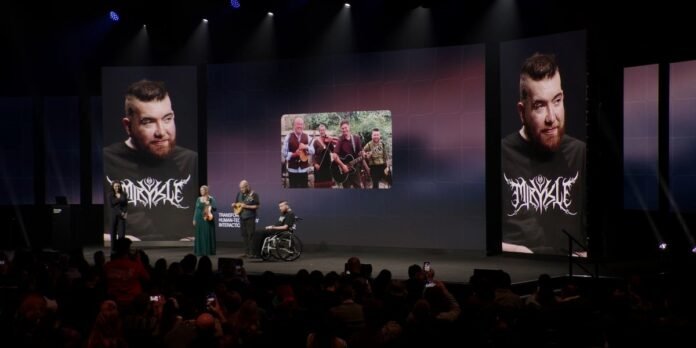
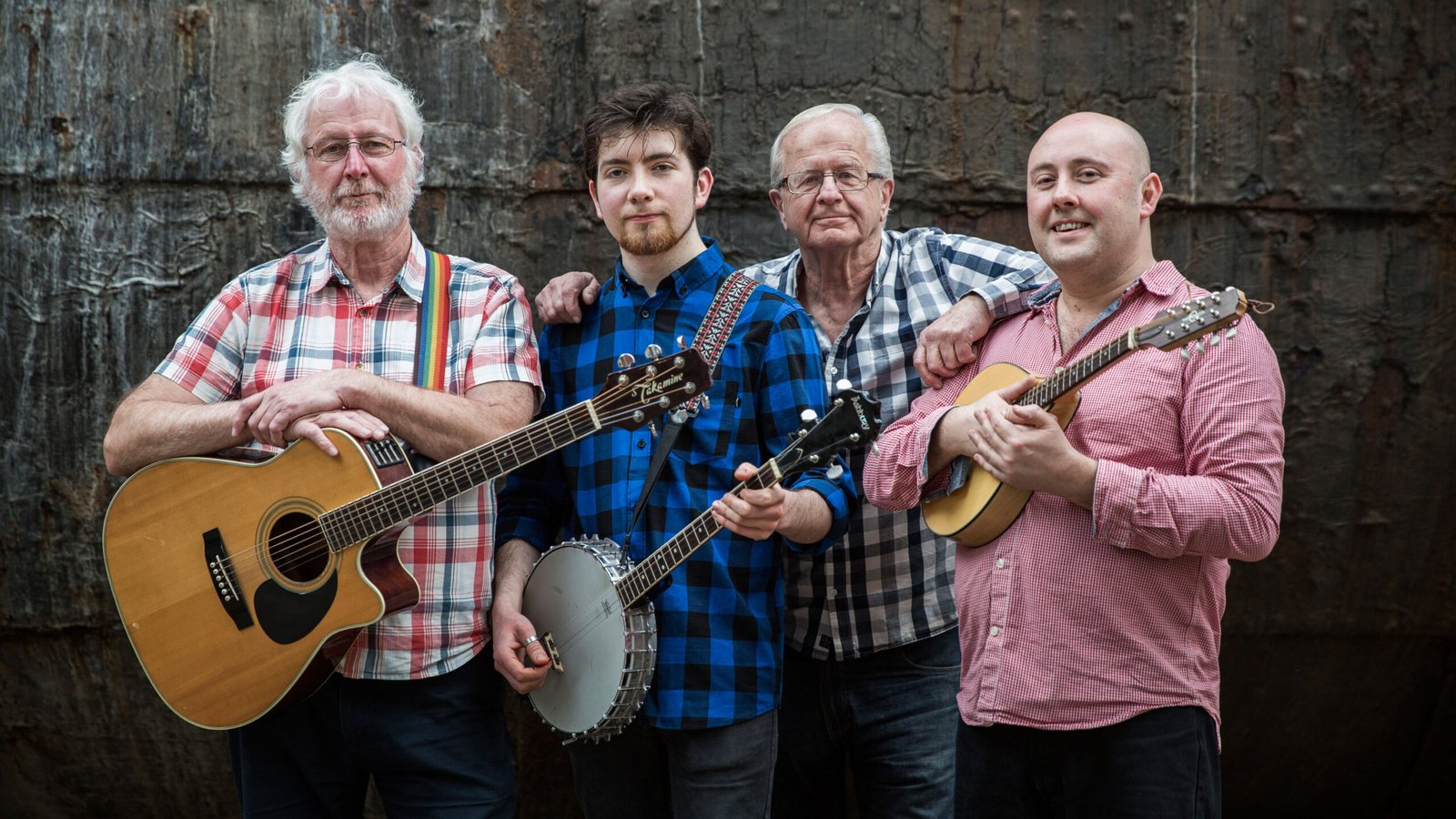
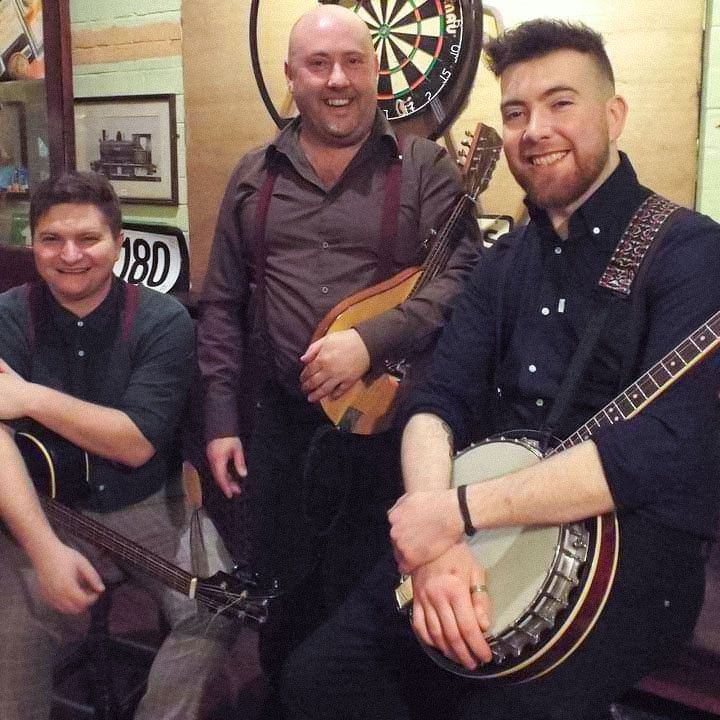
AI voice restoration—after being diagnosed with ALS, musician Nick Cocking observed a steep decline in his abilities. This insidious condition affected not only his voice but also his capacity to play instruments. With each passing day, the disease took a deeper toll on his body and emotional well-being.
Related image — Source: technologyreview.com — Original
As time progressed, Cocking became unable to stand and play instruments and eventually found it difficult to articulate speech, which significantly impacted his artistic expression and communication with loved ones.
The emotional ramifications were profound; he felt isolated from the music that had always been a core part of his identity. This experience underlines how debilitating ALS can be not just physically, but also psychologically.
In the face of these challenges, it seemed like his passion for music would fade away, embodying the quintessential struggle of many artists facing similar circumstances.
Key Details and Context
More Details from the Release
Voice cloning technology has significantly improved, allowing quick creation of lifelike voices.
Darling started using a voice clone to compose new songs after losing his natural voice.
Over time, Darling became unable to stand, play instruments, and eventually struggled to talk.
Darling was diagnosed with ALS, which affected his ability to sing and play instruments.
Darling recreated his lost voice using an AI tool trained on old audio recordings.
Voice banking was a method used prior to the advent of sophisticated voice clones, but these newer technologies are far more lifelike and efficient in their recreation of a person’s voice.
Related image — Source: technologyreview.com — Original
“Sadly, I have lost the ability to sing and play my instruments,”
The synthetic voices generated by voice cloning retain aspects such as breathing pauses, emotional intonation, and natural speech patterns, closely mimicking the original voice’s characteristics.
ElevenLabs has made strides in providing accessible options, allowing individuals with speech difficulties to utilize their voice cloning tools at no cost. Their dedication to inclusivity is commendable and is changing lives.
Modern voice cloning technology has significantly improved, enabling the rapid creation of lifelike voices that can emulate personal nuances within a matter of minutes.
Darling started using a voice clone to compose new songs after losing his natural voice, harnessing this technology to reconnect with his audience in a meaningful way.
Over time, as his abilities declined, he faced obstacles he never imagined a musician would encounter. However, with the emergence of AI technologies, he began to reclaim his artistic voice.
It is worth noting that this innovative approach does not just help with vocal expression; it also assists in emotional expression, enabling artists to convey their thoughts and feelings as authentically as possible.
The Power of AI
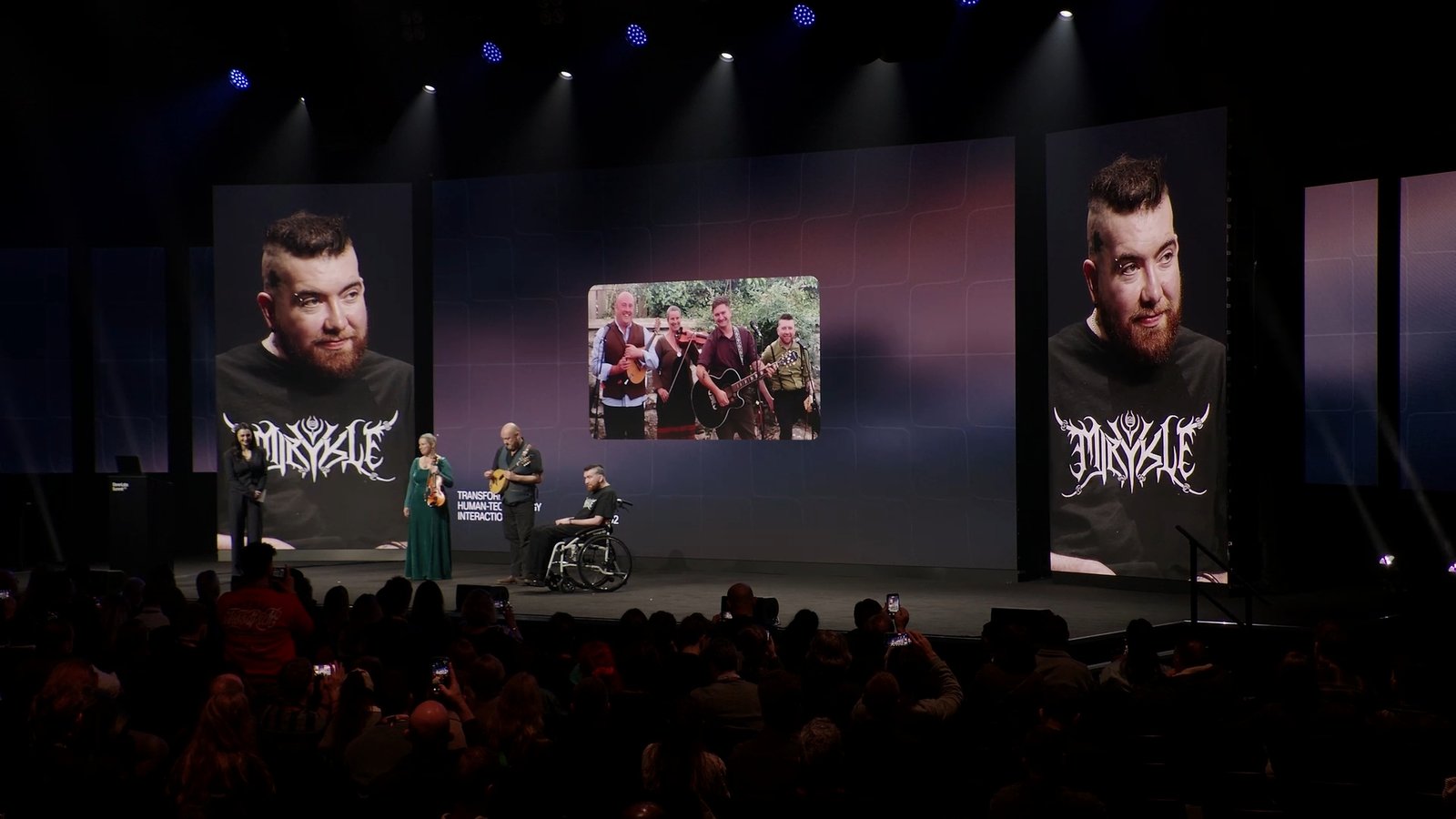
Thanks to innovative AI voice cloning technology, Cocking was able to recreate his lost voice using a tool developed from his old recordings. This technological advancement enabled him to compose new songs even after losing his natural voice, thus reigniting his passion for music.
The advancements in voice cloning have improved remarkably, making it possible to generate lifelike voices that incorporate natural speech patterns and breathing pauses. ElevenLabs stands out as a leading company, offering free access to these tools for individuals facing speech difficulties, thereby changing the landscape for many artists.
What Happens Next
A New Chapter in Music
Cocking now uses his AI-generated voice to continue his musical journey. He emphasizes the ongoing importance of songwriting in his life despite the challenges posed by ALS. This new approach not only revitalizes his artistic endeavors but also serves as an inspiration for others facing similar battles.
Related image — Source: technologyreview.com — Original
Why This Matters
Impacts on the Community
Cocking’s story illustrates a broader movement toward using AI technology to restore communication capabilities for musicians and others with speech impairments. As he continues his work, his journey brings hope to many facing similar challenges, showcasing the potential of AI to transform lives.
“Despite this, most of my time these days is spent still continuing to compose and produce my music. Doing so feels more important than ever to me now.”
The evolution of voice cloning technology may pave the way for more musicians to reclaim their voices and continue to share their art with the world, illustrating how technology can bridge gaps faced by individuals with disabilities.
FAQ
Can people with ALS benefit from voice cloning?
Yes, voice cloning technology allows those with ALS to communicate and express themselves through synthetic voice reproduction, creating new opportunities for artistic expression.

