
AI startup helping rice farmers — Key Takeaways
- Mitti Labs has developed technology to measure methane emissions from rice paddies, addressing a significant source of greenhouse gases.
- The startup trains farmers in climate-friendly practices, leading to sustainable agricultural advancements.
- Partnership with The Nature Conservancy promotes regenerative farming techniques to reduce environmental impact.
- AI models are used to measure and verify agricultural practices, enhancing transparency and accountability.
- Participating farmers report a 15% revenue increase while contributing to methane reduction and carbon credit generation.
What We Know So Far
The Role of Rice in Climate Change
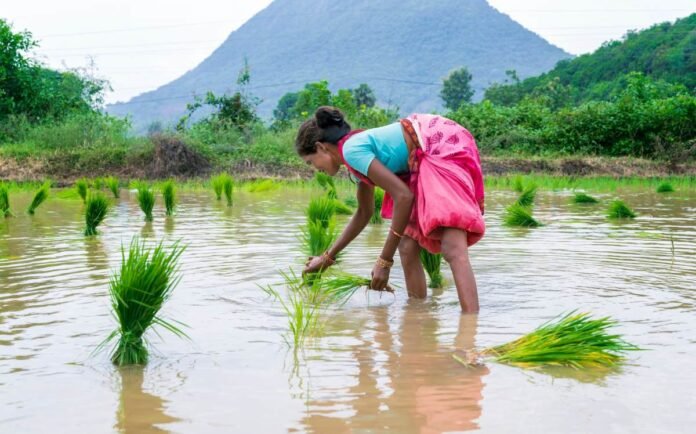
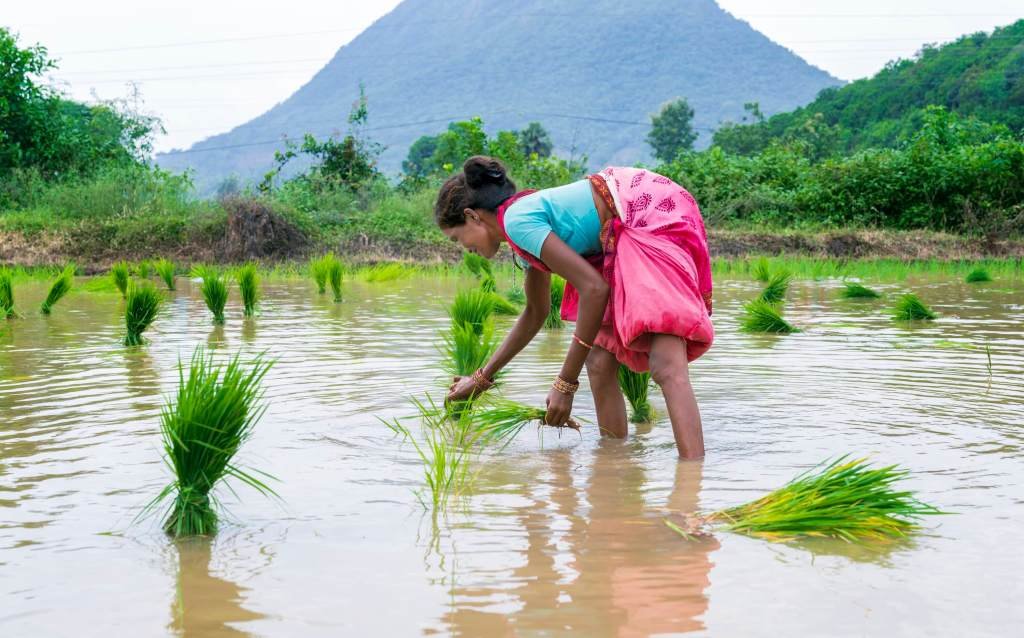
AI startup helping rice farmers — Rice farming is not just a staple food source; it’s also a significant contributor to global methane emissions. Approximately 10% to 12% of total human-caused methane emissions come from rice paddies, primarily due to anaerobic decomposition processes under flooded conditions.
This surprising statistic highlights the environmental impact of traditional rice farming methods. Understanding these practices is essential in addressing broader climate challenges.
Mitti Labs, an innovative AI startup, is tackling this issue head-on by implementing advanced technologies that measure methane emissions and promote sustainable practices among farmers.
By focusing on the intersection of technology and traditional agriculture, Mitti aims to reduce the carbon footprint associated with rice production. Their initiatives not only support farmers but contribute to addressing climate change on a global scale.
How Mitti Labs Works
Mitti Labs utilizes AI models to measure, report, and verify various agricultural practices across Indian farms. This technology not only helps in accurate emissions tracking but also ensures that farmers are guided towards climate-friendly techniques.
The insights gained from satellite imagery and radar allow farmers to better understand the environmental impact of their methods and make necessary adjustments to improve sustainability.
In doing so, farmers are equipped with the knowledge required to implement effective changes that reflect positively on both their productivity and the environment.
The data-driven approach enhances the overall effectiveness of sustainable farming and builds a bridge between innovative technology and practical applications in the field.
Key Details and Context
More Details from the Release
Mitti Labs has developed technology to measure methane emissions from rice paddies.
Mitti’s main data sources include satellite imagery and radar. This technological infrastructure is crucial for the precision and efficiency of their strategies.
Related image — Source: techcrunch.com — Original
“Most of the project operations on the ground are from locals from the villages where these projects are being implemented,”
Rice farming is a significant source of human-caused methane emissions, contributing around 10% to 12% of total emissions.
Farmers see about a 15% improvement in their revenue by joining Mitti’s programs. This economic incentive fuels engagement and the adoption of more sustainable practices among local farmers.
Mitti tracks methane reduction projects that generate carbon credits, further emphasizing their commitment to sustainability.
Mitti uses AI models to measure, report, and verify agricultural practices in India, resulting in a comprehensive system that integrates both technology and environmental consciousness.
Through strategic partnerships, Mitti Labs has maximized the impact of its initiatives, creating a network of supportive resources for farmers.
Collaborations for Sustainable Practices
In collaboration with The Nature Conservancy, Mitti Labs is promoting regenerative, no-burn agriculture. This partnership is vital for introducing innovative farming techniques that minimize environmental impact while potentially increasing crop yields.
Support for Farmers
Mitti Labs also focuses on educating local farmers, teaching them climate-friendly practices that improve their agricultural outcomes. Data from their programs indicate that participating farmers can see about a 15% improvement in their revenue.
This aspect of Mitti Labs’ work is critical for fostering a new generation of environmentally conscious farmers who are equipped to navigate the challenges posed by climate change.
What Happens Next
Scaling the Impact
As Mitti Labs continues to innovate, the potential for scaling their operations nationally and even internationally becomes apparent. Their success could inspire similar initiatives in other regions where rice farming contributes substantially to greenhouse gas emissions.

Related image — Source: techcrunch.com — Original
The adaptability of their models makes it feasible to implement similar strategies elsewhere, customizing approaches based on local conditions and farmer needs.
Future Collaboration and Expansion
Future endeavors may include further partnerships with environmental organizations and technology companies to enhance their framers’ capabilities. This interconnection within the agricultural ecosystem could create a robust framework for sustainable practices in rice cultivation.
Why This Matters
Addressing Climate Change with Technology
By integrating advanced technology with traditional farming practices, Mitti Labs exemplifies a forward-thinking approach in addressing climate change. Their efforts reflect an essential shift toward sustainable agriculture, aiming to reduce the carbon footprint associated with rice production.
“We can measure Scope 3 emissions from other project developers or corporations that are working with rice farmers,”
The Bigger Picture
This local involvement is crucial for the scalability and acceptance of these practices, ensuring that solutions are tailored to the unique challenges faced by smallholder farmers.
FAQ
What technology does Mitti Labs use?
Mitti Labs employs technology to measure methane emissions from rice paddies.
How does Mitti Labs help farmers?
Mitti Labs trains farmers in sustainable, climate-friendly agricultural practices.

