
humanoid robots — Key Takeaways
- Humanoid robots like Digit are transitioning from experimental to commercial products as of 2024.
- Agility Robotics’ Digit is designed specifically for logistics tasks to support human workers.
- Amazon is actively testing Digit to enhance operational efficiency in its warehouses.
- Digit aims to navigate environments tailored for human interaction, improving collaborative tasks.
- A future factory by Agility Robotics is set to produce 10,000 Digit robots annually.
What We Know So Far
The integration of humanoid robots in various sectors marks a significant milestone in robotics. Notable companies like Agility Robotics are leading this change with their innovative humanoid robot, Digit.
Related image — Source: spectrum.ieee.org — Original
Designed specifically for logistics tasks, Digit showcases how technology is pushing the boundaries of human functionality. This robot is equipped with advanced sensors that allow it to assess environments navigated by humans. Understanding these dynamics is essential as we anticipate more deployments in the field.
As we head into 2024, these robots are expected to shift from experimental uses to fully commercial products. This transition could radically change operational processes in various industries. Companies are beginning to recognize the potential benefits robots like Digit can provide, especially in logistics and human assistance roles.
Key Details and Context
More Details from the Release
Humanoid robots are transitioning from experimental projects to potential commercial products as of 2024.
Agility Robotics is preparing to open a factory capable of producing 10,000 Digit robots per year. This factory is expected to advance the pace of innovation, ensuring a steady supply of robots to meet growing market demand.
Related image — Source: spectrum.ieee.org — Original
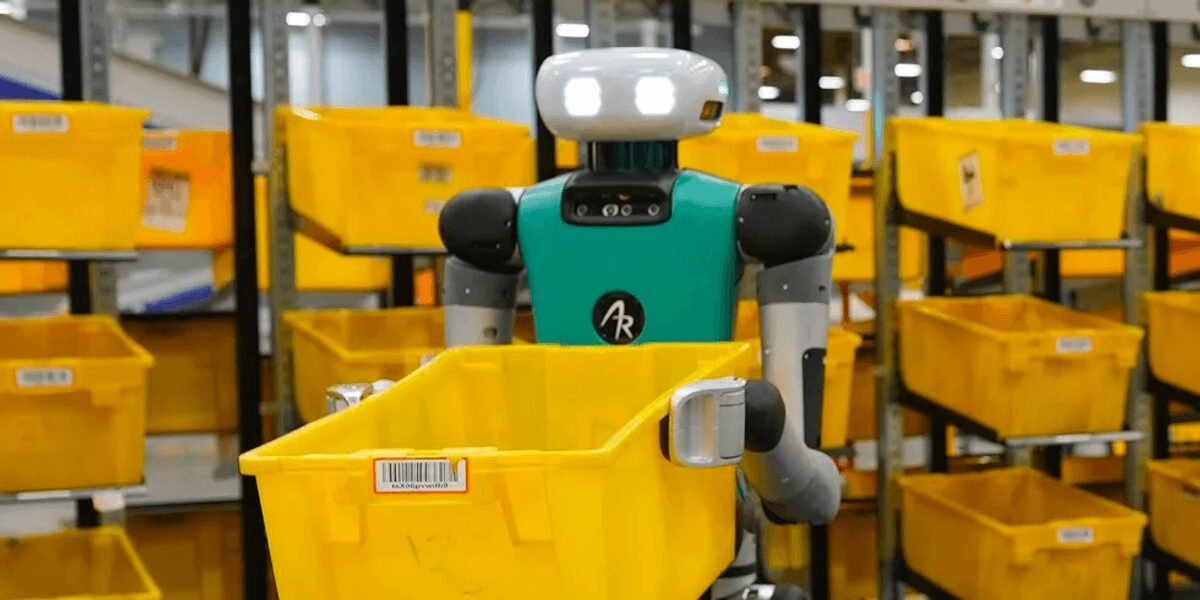
“We spent a long time working with potential customers to find a use case where our technology can provide real value, while also being scalable and profitable,”
Digit is planned to operate in older-generation warehouses where traditional automation solutions may not fit. Many existing facilities are not designed for current automation technologies, leading to an increased need for versatile humanoid robots.
The use of humanoid robots like Digit aims to improve efficiency in environments designed for human navigation. This approach not only alleviates labor shortages but also enhances operational workflows significantly.
Approximately 750,000 robots are currently deployed in Amazon’s warehouses. Digit and similar robots are designed to work alongside these machines, optimizing collaborative processes.
Amazon is testing Digit in its robotics research and development site near Seattle. As this technology develops, it is expected to likely change how warehouses operate, making them more efficient and scalable.
Digit is engineered to work alongside human workers by taking on repetitive tasks. This aspect further allows human employees to focus on critical decision-making processes, influencing overall productivity positively.
Humanoid robots are transitioning from experimental projects to potential commercial products as of 2024, marked by their growing acceptance in both logistics and support roles.
Agility Robotics is producing a humanoid robot named Digit aimed at logistics tasks, which is carving out a niche in the evolving landscape of industrial automation.
As global demands for efficiency rise, the implications of deploying humanoid robots is expected to impact the labor market. Agility Robotics is opening a new factory to meet increasing demand.
Digit is expected to play a significant role in logistics by redefining how products are handled and sorted in warehouses. This robot represents a response to the increasing pressures on supply chains to enhance their efficiency.
Currently, Amazon, with around 750,000 robots in its warehouses, is testing Digit at one of its research sites near Seattle. This could potentially revolutionize warehouse operations, making them more efficient. The collaborative architecture of humans and robots is seen as a significant advancement in logistics.
What Happens Next
The future of humanoid robots seems promising with plans for Agility Robotics to establish a factory capable of manufacturing 10,000 units of Digit each year. This substantial scale of production indicates a rising demand for technology that assists rather than replaces the human workforce.
Related image — Source: spectrum.ieee.org — Original
As robots like Digit start making inroads into industries designed for human interactions, we can expect to witness a transformation in workforce dynamics. Humans are anticipated to take on supervisory roles, ensuring robots perform optimal tasks. This allows organizations to maintain consistency in operations while adapting to advancements in technology.
Why This Matters
The collaborative efforts between humans and robots are expected to pave the way for more efficient logistics and operational processes. The long-term implications could enable businesses to scale considerably while reducing manual labor strains. The potential economic benefits of adopting this technology across industries may also reshape our employment landscape.
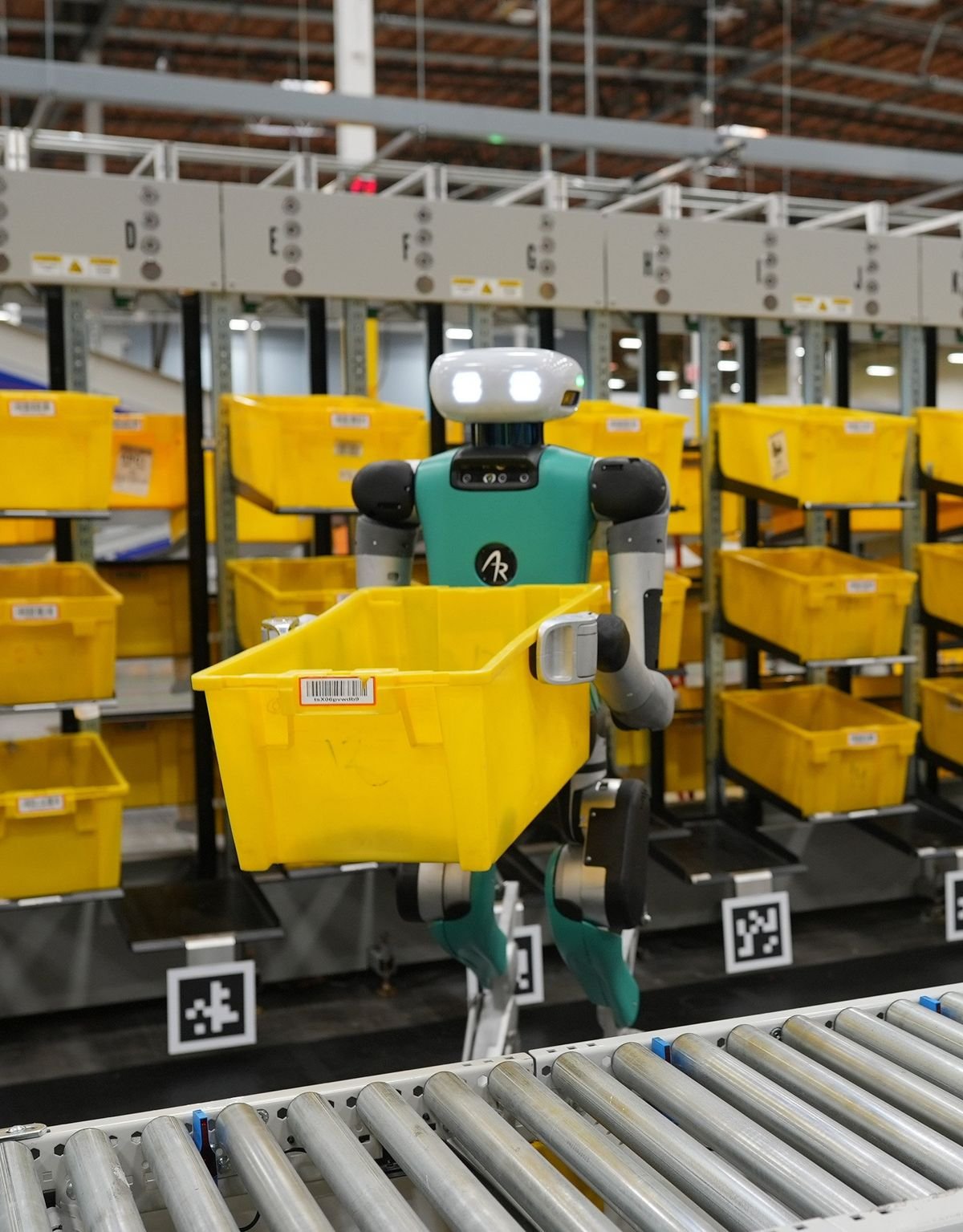
“For us, right now, that use case is moving e-commerce totes.”
As innovations continue to evolve, mastering the balance between human oversight and robotic efficiency is expected to be crucial. Digit serves as a case study for this exciting future and highlights the benefits that come with embracing robotic assistance in the workplace.
FAQ
Humanoid robots like Digit are integral to enhancing operational efficiency. Below are some frequently asked questions regarding their implementation and impact.

