
Key Takeaways
- High-precision robots may have repeatability but often lack absolute accuracy, ranging from 0.5 to 1.5 mm.
- Inaccuracies can lead to increased downtime due to the need for corrections, particularly in precise applications like welding.
- Root causes of inaccuracy include hardware issues, poor calibration, and external environmental factors.
- Optimizing calibrations and selecting superior encoders can significantly enhance robotic performance.
- Regularly reviewing and troubleshooting robot systems can address dissatisfaction with accuracy, improving overall efficiency.
What We Know So Far
Understanding Absolute Accuracy
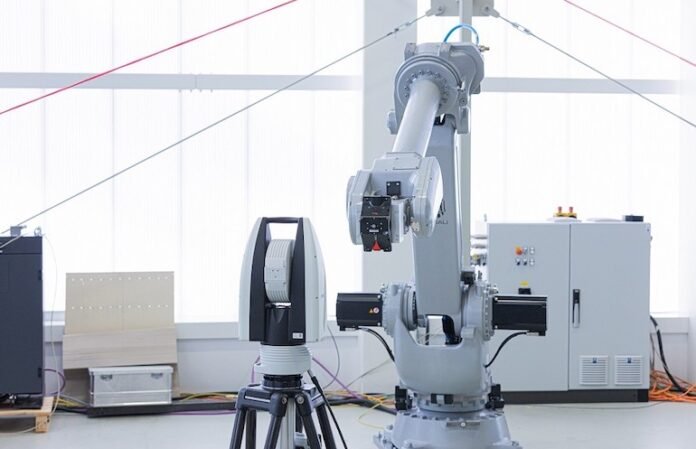
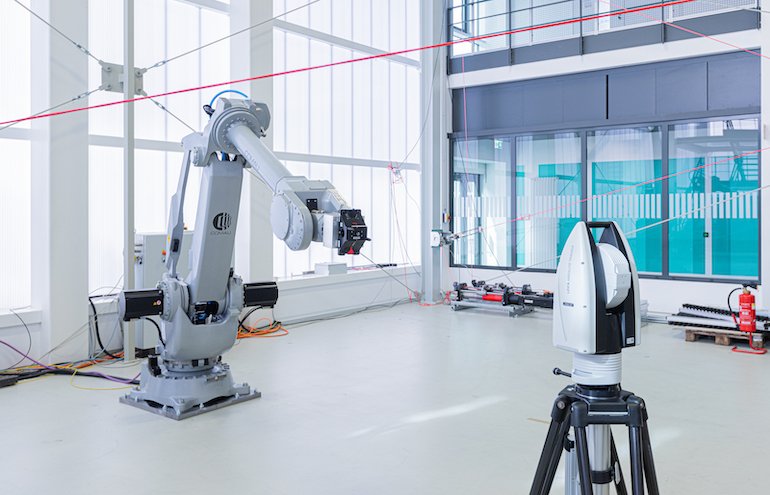
High-precision robots are celebrated for their repeatability but often fall short on absolute accuracy. Typically, absolute accuracy in robots can range from 0.5 to 1.5 mm. This discrepancy can lead to significant issues, particularly in tasks requiring precise positioning.
Related image — Source: therobotreport.com — Original
In applications such as welding, where alignment is critical, performance can suffer, leading to increased operational costs and downtime due to machine inaccuracies. Addressing these accuracy limitations is essential for improving robot efficiency and reducing the need for corrections.
Identifying Inaccuracy Causes
Inaccuracies in robotic systems can stem from a variety of sources. Hardware defects, lack of proper calibration, and external factors like temperature and humidity can all impact performance. Moreover, inadequate encoders and low-performing software can also contribute to these issues.
By understanding these factors, companies can take steps to mitigate inaccuracies and enhance the reliability of their robots, leading to improved operational outcomes.
Key Details and Context
More Details from the Release
Firms dissatisfied with their robots’ accuracy may benefit from a comprehensive root-cause analysis of their systems.
External factors such as temperature, air pressure, and process forces can negatively impact absolute accuracy.
Poor calibration, inferior encoders, and low-performing controllers are major software-related reasons for inaccuracy.
The causes of inaccuracies in robots can include hardware-related, software-related, and external factors.
Inaccurate robots can lead to increased machine downtime due to the need for time-consuming corrections in offline programming.
Low absolute accuracy can be problematic for applications needing precise positioning, such as welding.
Absolute accuracy in robots often ranges between 0.5 and 1.5 mm.
Robots typically have high repeatability, but often exhibit poor absolute accuracy.
Impact of Calibration and Software
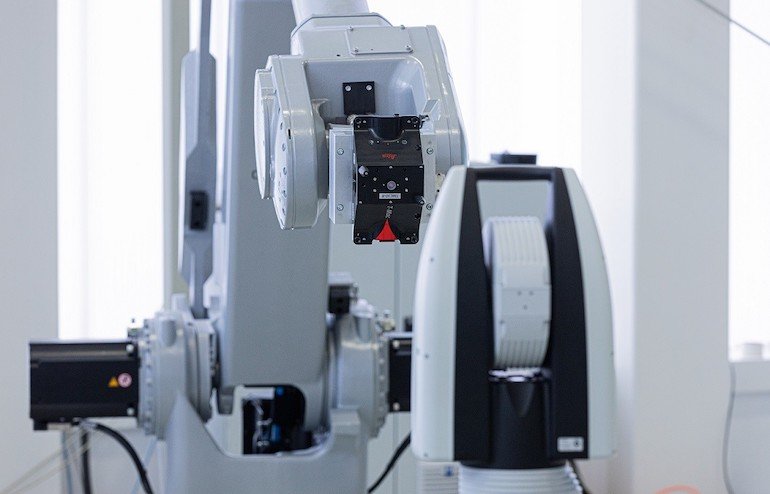
Calibration plays an integral role in robot accuracy. Poor calibration techniques can severely undermine performance, leading to output errors in manufacturing processes. Companies often face increased downtime due to the necessity of time-consuming corrections in offline programming.
Related image — Source: therobotreport.com — Original
Inaccurate robots can result in significant inefficiencies; thus, businesses must invest in improving their calibration procedures and selecting superior encoders that is expected to optimize robot performance.
Environmental Factors
External factors such as temperature, air pressure, and process forces also negatively impact absolute accuracy. Environmental consistency is crucial for maintaining robot precision. As robots operate, these external factors can introduce variances that compound over time, affecting overall effectiveness.
Thus, understanding and controlling these influences helps create a more reliable and precise robotic work environment, elevating productivity and overall accuracy.
What Happens Next
Improving Accuracy with Root Cause Analysis
For firms dissatisfied with their robots’ accuracy, a comprehensive root-cause analysis is necessary. Evaluating the performance and identifying underlying issues can lead to actionable insights, enabling firms to enhance their equipment’s precision.

Related image — Source: therobotreport.com — Original
Implementing regular reviews and maintenance checks also ensures that potential problems are detected early, thereby improving the longevity and reliability of robotic systems.
Future Trends in Robotics
As technology continues to advance, the integration of smarter software and better hardware is paramount. By continually optimizing calibrations and investing in advanced robotics solutions, manufacturers can stay ahead of challenges related to accuracy.
The future of robotics is expected to likely involve an increased focus on automation precision while simultaneously addressing the inherent limitations presented by external factors.
Why This Matters
Enhancing Operational Efficiency
Improving the absolute accuracy of high-precision robots is critical for enhancing operational efficiency. By solving these accuracy issues, manufacturers can significantly reduce downtime, minimize errors in production, and enhance the quality of their outputs.
Ultimately, this leads to lower costs and improved return on investment, ensuring that businesses remain competitive in an increasingly automated landscape.
The Broader Impact in Automation
In the larger context of automation, high-precision robots that operate with greater accuracy and consistency is expected to greatly benefit various sectors, including manufacturing, logistics, and healthcare. These improvements is expected to foster innovation and further drive the evolution of smart factories.
As automation technology evolves, addressing accuracy issues is expected to be key to unlocking the full potential of robotic systems, allowing for enhanced growth and capability across industries.
FAQ
What is the typical accuracy range for high-precision robots?
The absolute accuracy for high-precision robots typically ranges from 0.5 to 1.5 mm.
How does accuracy impact robot performance?
Low absolute accuracy can cause issues in applications requiring precise positioning, leading to machine downtime.
What factors contribute to robot inaccuracies?
Common factors include hardware defects, poor calibration, software issues, and external conditions like temperature.
How can manufacturers improve robot accuracy?
Manufacturers can improve accuracy through robust calibration techniques, better encoders, and regular system reviews.

