
SyGra Studio — Key Takeaways
- SyGra Studio allows users to generate synthetic data through an interactive visual interface, eliminating the need for coding.
- The platform offers a drag-and-drop workflow creator, which removes the hassle of manual YAML editing.
- It supports multimodal data generation, making it suitable for both audio and image applications.
- Real-time execution monitoring tools provide insights into latency and usage, enhancing observability.
- Collaboration is boosted through features that streamline iteration and debugging processes among teams.
What We Know So Far
An Interactive Environment
SyGra Studio is revolutionizing synthetic data generation by offering an interactive environment tailored for users who need a visual interface. The platform’s intuitive design simplifies creating synthetic datasets without the typical coding barrier. With its user-friendly approach, even those with minimal technical knowledge can effectively utilize its features.
Related image — Source: huggingface.co — Original
This accessibility is especially crucial in today’s fast-paced data landscape, where the ability to generate accurate synthetic datasets can significantly impact project timelines. By leveraging a drag-and-drop interface, users can seamlessly create workflows, enhancing both usability and efficiency. This eliminates the need for manually editing complex YAML files, making the process more accessible for non-technical users.
Additionally, this interactive design not only promotes engagement but also encourages a more creative approach to data generation, allowing users to experiment and innovate without the fear of making mistakes.
Key Details and Context
More Details from the Release
SyGra includes features for semantic deduplication to improve dataset diversity. This functionality is vital as it helps eliminate repetitive data, ensuring that the generated datasets are varied and more representative of real-world scenarios.
Related image — Source: huggingface.co — Original
The framework facilitates collaboration by enhancing iteration speed and debuggability across teams. In many organizations, team dynamics play a significant role in project success, and SyGra Studio addresses this by allowing multiple users to work concurrently, helping to streamline the workflow.
SyGra Studio maintains configurations in sync automatically, eliminating manual error-prone wiring. This automation reduces the risk of human error, allowing teams to focus on higher-level tasks rather than mundane technicalities.
The environment allows users to preview datasets and adjust prompts with inline variable hints. This facilitates a learning experience where users can see immediate feedback regarding their inputs, enabling quicker adjustments and more refined outputs.
SyGra Studio provides tools for real-time execution monitoring. Users can view latency and usage metadata, ensuring that their generated data meets necessary operational standards. This level of oversight is critical for applications like AI, where the quality of data directly affects model performance.
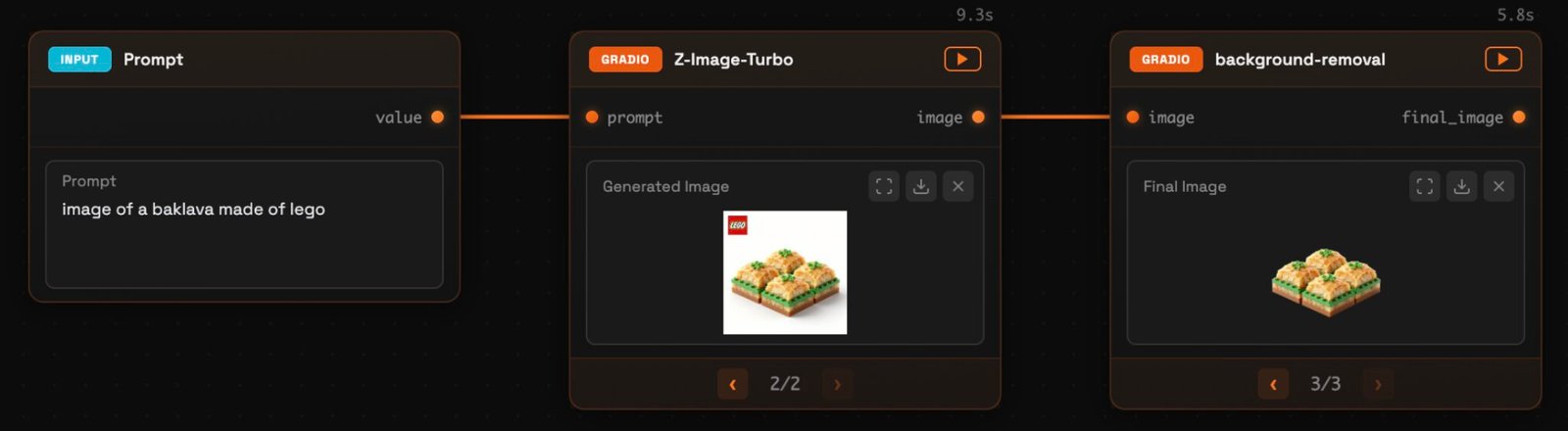
The platform supports multimodal pipelines, including audio and image generation capabilities. This aspect expands the applicability of SyGra Studio across various industries looking to harness the power of synthetic data in diverse formats.
Users can create workflows without manually editing YAML files, relying instead on a drag-and-drop interface. This hands-on approach simplifies the process, making it much more user-friendly.
Overall, SyGra Studio is an interactive environment for generating synthetic data through a visual interface that breaks down barriers traditionally associated with data generation.
Multimodal Support
One of SyGra Studio’s standout features is its support for multimodal pipelines. This capability enables users to work with both audio and image data, broadening the application range of synthetic data generation. By integrating these capabilities, SyGra Studio acknowledges the diverse needs of users and developers across various sectors.
The environment allows users to preview datasets actively, giving them immediate feedback to adjust prompts and refine input parameters. This is achieved with handy inline variable hints that provide contextual assistance. Such features enhance not only data accuracy but also the overall user experience, allowing for a system that learns and grows with its user base.
What Happens Next
Real-time Monitoring and Collaboration
As teams begin to adopt SyGra Studio, the platform’s tools for real-time execution monitoring are expected to be crucial. Users can view latency and usage metadata, ensuring that the generated data meets necessary operational standards. In fast-paced environments, this ability to monitor and react to data generation conditions in real time is integral for maintaining quality outputs.
Related image — Source: huggingface.co — Original
Moreover, configurations within the studio are kept in sync automatically, addressing manual, error-prone wiring. This ensures teams can work collaboratively, increasing iteration speed and debugging efficiency. By minimizing the technical friction usually associated with data workflows, teams can focus more on creativity and innovation.
Why This Matters
Advancing Synthetic Data Generation
As businesses continue to demand efficient data solutions, SyGra Studio positions itself as a leading platform in synthetic data generation. The focus on usability and multimodal support is expected to make it critical in a variety of fields, from AI research to machine learning applications. This versatility ensures that SyGra Studio is not just a momentary trend but rather a foundational tool in the data generation landscape.
Enhancements such as semantic deduplication further promise to improve dataset diversity, which is crucial for training robust AI models. This aspect is increasingly important in today’s data-driven environment, where diverse datasets lead to more resilient and adaptable machine learning algorithms. The platform is not just about ease of use; it aims to elevate the standard of data generation practices.
“The platform provides an innovative approach to synthetic data, bridging the gap between technical complexity and user accessibility.”
FAQ
Frequently Asked Questions
What is SyGra Studio?
SyGra Studio is an interactive platform for generating synthetic data using a visual interface.
How does SyGra Studio facilitate workflow creation?
It provides a drag-and-drop interface that allows users to create workflows without coding YAML files.
Can SyGra Studio handle multimodal data?
Yes, it supports multimodal pipelines for generating both audio and image data.
What features improve dataset diversity in SyGra Studio?
Semantic deduplication features help enhance dataset diversity.
Is real-time monitoring available in SyGra Studio?
Yes, the platform includes tools for monitoring execution performance in real time.

