
Key Takeaways
- The Perseverance rover completed the first AI-planned drives on Mars on December 8 and 10, 2026, marking a milestone in interplanetary robotics.
- AI utilized vision-enabled systems to analyze terrain and plan routes without human intervention, showcasing advanced autonomous navigation capabilities.
- Perseverance traveled 689 feet on its first AI-generated route and 807 feet on the second, demonstrating the precision of AI in extraterrestrial environments.
- Generative AI selected waypoints traditionally determined by Earth-based experts, enhancing efficiency in mission operations.
- This successful demonstration expands potential exploration capabilities for future Mars missions and beyond.
What We Know So Far
First AI-Driven Steps on Mars
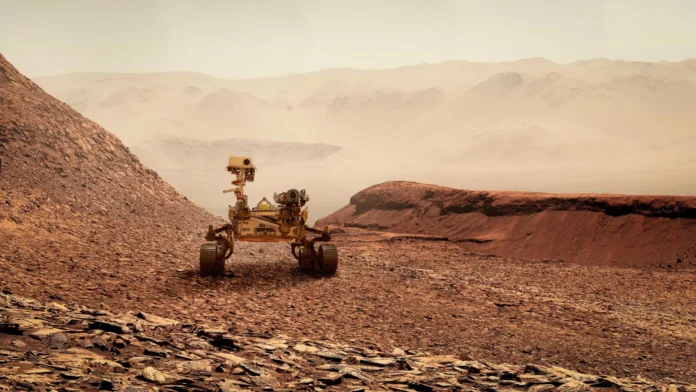
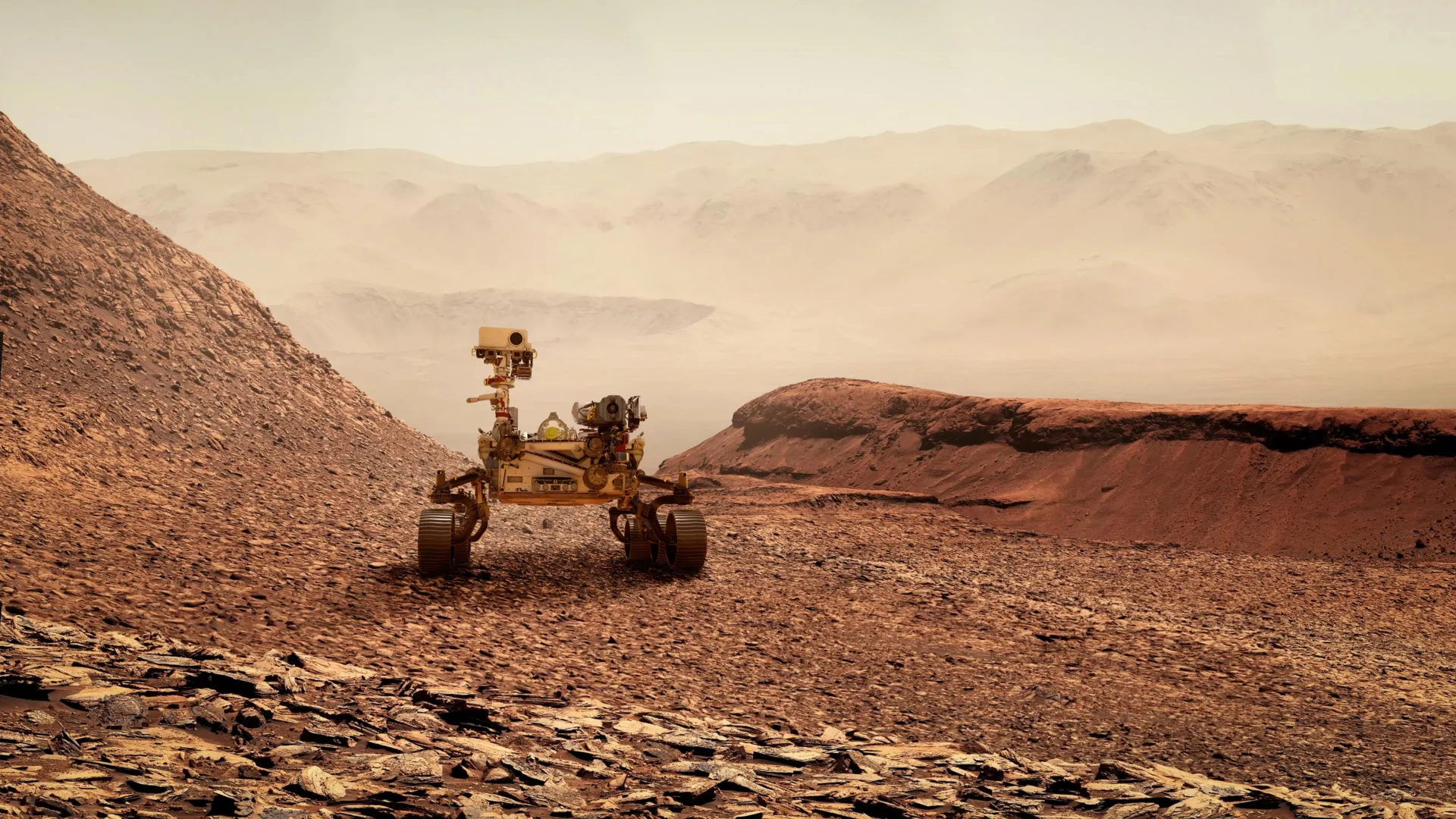
NASA Perseverance rover AI-planned drive — NASA’s Perseverance rover has set a groundbreaking precedent by completing the first drives on Mars that were entirely planned by artificial intelligence. This remarkable achievement took place on December 8 and December 10, 2026. The AI’s involvement underscores a new era of autonomous operations in space exploration.
Related image — Source: sciencedaily.com — Original
The AI utilized advanced vision-enabled systems to navigate the Martian terrain, analyzing existing data without requiring human input. This capability represents a significant advancement in the autonomy of space missions.
Key Details and Context
More Details from the Release
The demonstration of AI use in route planning broadens the exploration capabilities for future missions.
Two days later, the rover drove another 807 feet (246 meters) using a different AI-generated plan.
On its first AI-planned drive, Perseverance traveled 689 feet (210 meters) using the AI-generated plan.
The AI examined high-resolution images and terrain data to help navigate the Martian landscape.
Generative AI was used to select waypoints, which is usually handled by human experts on Earth.
The AI used for planning was a vision-enabled system that analyzed existing data without human input.
The AI planning took place on December 8 and 10, 2026.
NASA’s Perseverance rover has completed the first drives on another planet that were planned by artificial intelligence.
The demonstration of AI use in route planning broadens the exploration capabilities for future missions.
Two days later, the rover drove another 807 feet (246 meters) using a different AI-generated plan.
On its first AI-planned drive, Perseverance traveled 689 feet (210 meters) using the AI-generated plan.
The AI examined high-resolution images and terrain data to help navigate the Martian landscape.
Generative AI was used to select waypoints, which is usually handled by human experts on Earth.
The AI used for planning was a vision-enabled system that analyzed existing data without human input.
The AI planning took place on December 8 and 10, 2026.
NASA’s Perseverance rover has completed the first drives on another planet that were planned by artificial intelligence.
How AI Took Charge
The planning process for Perseverance’s routes relied on a generative AI system that selected waypoints, a task usually performed by mission experts on Earth. This innovative approach allowed the rover to travel 689 feet (210 meters) on its first AI-generated drive and another 807 feet (246 meters) two days later.
Related image — Source: sciencedaily.com — Original
“This demonstration shows how far our capabilities have advanced and broadens how we is expected to explore other worlds,”
The AI analyzed high-resolution images and terrain data, optimizing its navigation through the rocky Martian landscape while ensuring safety and efficiency. The data-driven decision-making process exemplifies how AI technologies can enhance robotic capabilities in extraterrestrial environments.
What Happens Next
The Future of AI in Space
This demonstration propels NASA’s endeavors forward, providing a framework for future explorations on Mars and potentially beyond. As NASA Administrator Jared Isaacman noted, “This demonstration shows how far our capabilities have advanced and broadens how we is expected to explore other worlds.”
Related image — Source: sciencedaily.com — Original
Incorporating intelligent systems into future missions, including rovers and drones, is expected to play a pivotal role in the establishment of infrastructure required for a permanent human presence on the Moon and Mars. This robust technological foundation is crucial as we aim for deeper space exploration.
Why This Matters
Increasing Autonomy
The use of AI for route planning in rover operations increases the autonomy and efficiency of space missions. By reducing the reliance on real-time communication with Earth, such technology enables more complex exploration tasks and can lead to significant time savings.
“said Vandi Verma, a space roboticist at JPL and a member of the Perseverance engineering team.”
Experts indicate that this initiative opens doors to not only enhanced onboard navigation capabilities but also the potential for deploying similar AI technologies in various space exploration tools. As Matt Wallace, a JPL official, emphasizes, understanding AI’s capabilities could revolutionize how we expand our presence in the solar system.
FAQ
Any Remaining Questions?
This historic event has garnered numerous inquiries, from the specifics of the AI technology to the implications for future explorations.
As this technology advances, it promises to shape the future landscape of Mars exploration, making missions increasingly independent and effective.

