
Key Takeaways
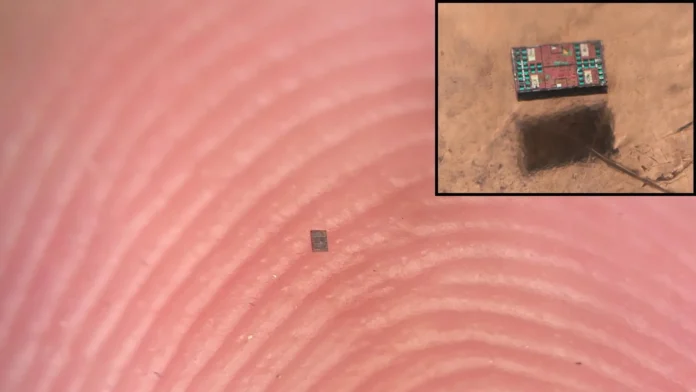
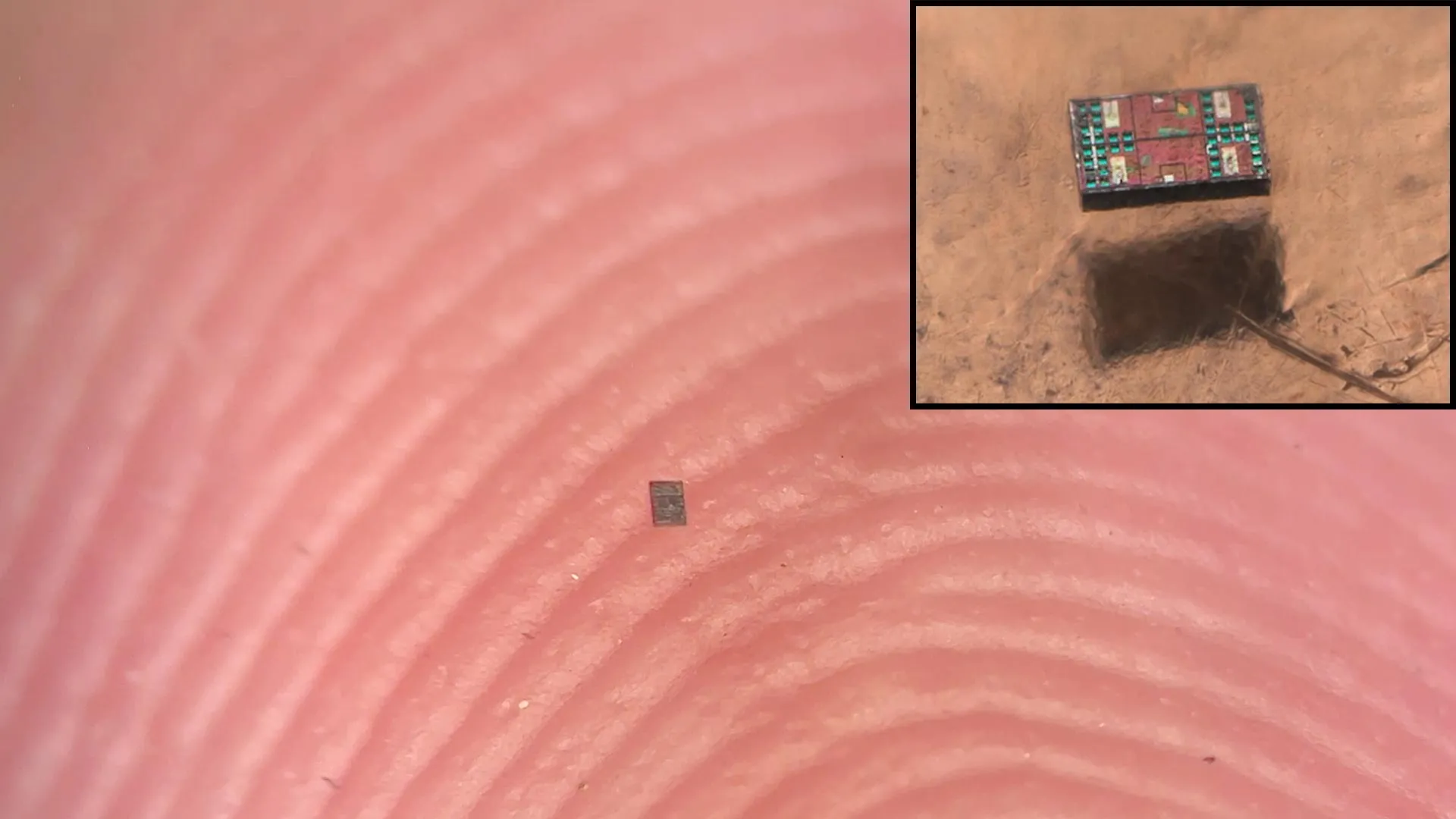
- Researchers from the University of Pennsylvania and University of Michigan have developed the smallest fully programmable robots, approximately 200x300x50 micrometers.
- These robots can operate autonomously, swim through liquids, and sense their environments, showcasing innovation in robotic technology.
- The robots are powered by light, allowing them long operational periods and are cost-effective, producing for about one penny each.
- Innovative movement methods have enabled these robots to overcome previous physics-related challenges, allowing for a novel functioning at microscopic scales.
- Future developments may enhance these robots’ capabilities to perform complex tasks in more challenging environments, potentially revolutionizing various applications.
What We Know So Far
Introduction to Microscopic Robotics
programmable robots — Researchers at the University of Pennsylvania and University of Michigan have pioneered the development of the smallest fully programmable autonomous robots ever created. Measuring approximately 200 by 300 by 50 micrometers, these microscopic robots are indeed smaller than a grain of salt.

These groundbreaking inventions are capable of swimming through liquid, sensing their surroundings, and autonomously reacting, indicating a significant stride in the evolution of robotic technology.
Physics at Play
Creating functional robots at such small scales presents numerous challenges. Traditionally, physics at microscopic scales, particularly surface-related forces, dominated over gravity, complicating design methodologies.
Marc Miskin, a key researcher in this project, stated, “Building robots that operate independently at sizes below one millimeter is incredibly difficult,” acknowledging the hurdles that have stymied advancements in this field for decades.
Key Details and Context
More Details from the Release
These microscopic robots can swim through liquid, sense their surroundings, and respond on their own.
Researchers at the University of Pennsylvania and University of Michigan have built the smallest fully programmable autonomous robots ever created.
Innovative Design and Functionality
These tiny robots are entirely powered by light, allowing for operational periods extending several months. Each robot’s production cost is highly economical, reaching only about one penny each.

“We’ve made autonomous robots 10,000 times smaller,”
Thanks to miniature computers integrated into these robots, they can navigate their environment effectively. The development team illustrates how these robots function in microscopic environments, showcasing their unique movement design.
Overcoming Challenges
Previous attempts at creating similar robots faced significant hurdles due largely to forces that dominate at reduced scales. Miskin explains, “If you’re small enough, pushing on water is like pushing through tar,” emphasizing the difficulties faced when trying to create operational robots at this diminutive size.
By proposing innovative movement methods that align with microscopic physics, researchers have found pathways to surmounting these challenges, pushing the boundaries of what’s possible in robotic technology.
What Happens Next
Future Prospects
Looking ahead, the researchers are optimistic about enhancing the capabilities of these tiny robots. Future iterations could enable them to perform more complex tasks, potentially in harsher environments that standard robots are ill-equipped to navigate.

Such advancements may facilitate novel applications ranging from medicine to environmental monitoring, impacting a variety of sectors that could benefit from precise and efficient robotic helpers.
Propelling Research Forward
As advancements continue, collaboration among universities—including institutions such as Washington State University and organizations like DARPA—may lead to significant breakthroughs, further solidifying this emerging field.
Why This Matters
Revolutionizing Robotic Applications
The implications of these tiny, autonomous robots could reshape our interaction with technology. By operating in ways traditional robots cannot, these micro-robots may unveil new horizons in technical applications.
“That opens up an entirely new scale for programmable robots.”
As these products evolve, the potential exists for rapid, large-scale deployment in theatres currently limited by the capabilities of conventional robots—showing just how transformative this research can be.
FAQ
Common Inquiries
For readers interested in specific aspects of this groundbreaking research, several questions commonly arise.

