

Key Takeaways
- DARPA’s Triage Challenge focuses on robotic teams aiding human medics in urgent situations.
- Robots collect data to assess injury severity and locate casualties quickly.
- The event features advanced technologies like drones and quadruped robots.
- Team Chiron from Carnegie Mellon University is leading these efforts.
- The final challenge event is scheduled for November 2023.
What We Know So Far
The Initiation of the Triage Challenge
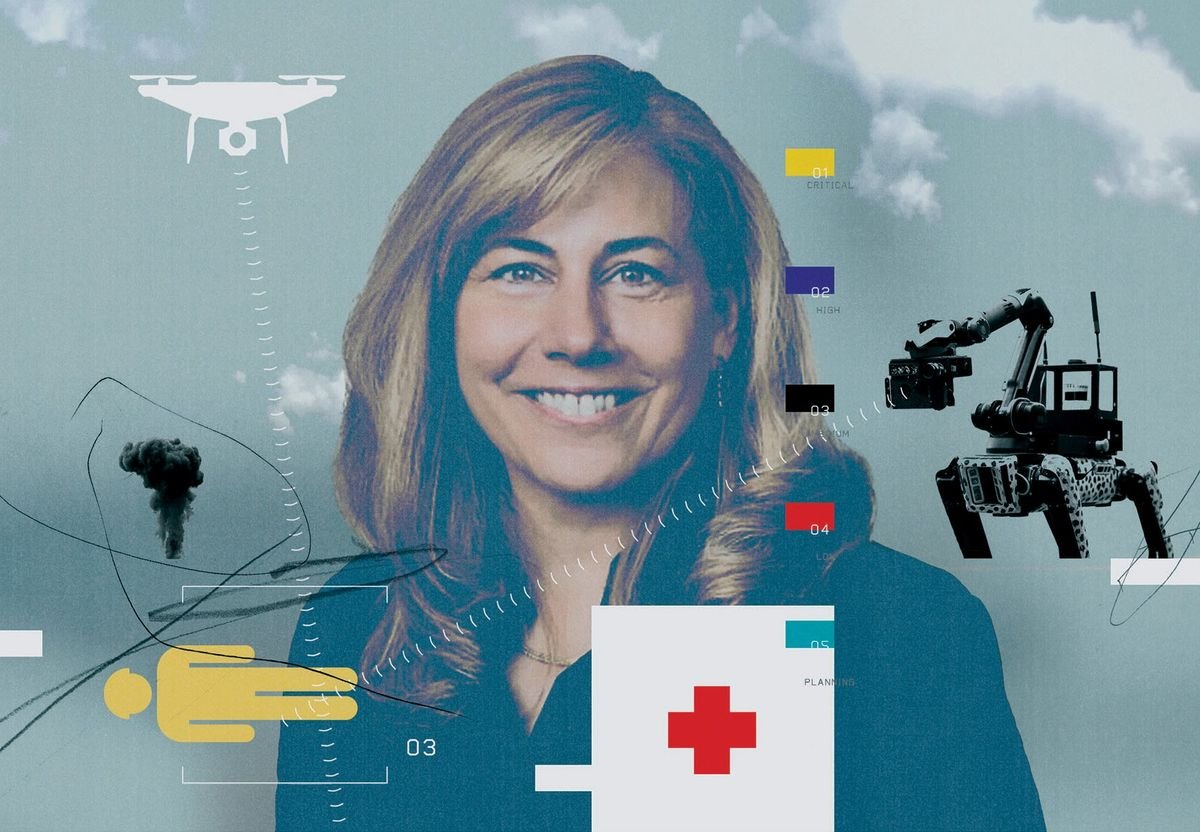
DARPA Triage Challenge — DARPA has initiated a competition where teams of robots are deployed in simulated mass-casualty scenarios. This innovative challenge aims to create solutions that can assist human medics on the battlefield.
Related image — Source: spectrum.ieee.org — Original
With the growing need for rapid response in crisis situations, the DARPA Triage Challenge emphasizes efficiency and accuracy in casualty management.
Robotic Functions in Triage
The goal of the robots in this challenge is clear: to assist human medics by identifying victims and assessing injury severity amid emergencies. This rapid assessment can help medics allocate their resources effectively.
The technology encompasses drones and quadruped robots, each playing a role in collecting crucial real-time data regarding casualty status, further enhancing the decision-making process.
Key Details and Context
More Details from the Release
Concerns have been raised about autonomous weapons being used for purposes beyond meaningful human control.
Debates surrounding robot autonomy in warfare continue to evolve as militaries develop intelligent weapons.
A vest-mounted Android phone displays a map with GPS locations of casualties, designed for medics to access critical information quickly.
Kimberly Elenberg, a principal project scientist at Carnegie Mellon, is leading Team Chiron and emphasizes the need for robotic assistance in mass-casualty events.
The final event of the DARPA Triage Challenge will occur in November, featuring Team Chiron from Carnegie Mellon University.
The technology involves using drones and ground robots to collect data and provide information on casualty status.
The goal of the robots in the DARPA Triage Challenge is to assist human medics by identifying victims and assessing injury severity.
DARPA has initiated a competition where teams of robots are deployed in simulated mass-casualty scenarios.
Concerns have been raised about autonomous weapons being used for purposes beyond meaningful human control.
Debates surrounding robot autonomy in warfare continue to evolve as militaries develop intelligent weapons.
A vest-mounted Android phone displays a map with GPS locations of casualties, designed for medics to access critical information quickly.
Kimberly Elenberg, a principal project scientist at Carnegie Mellon, is leading Team Chiron and emphasizes the need for robotic assistance in mass-casualty events.
The final event of the DARPA Triage Challenge will occur in November, featuring Team Chiron from Carnegie Mellon University.
The technology involves using drones and ground robots to collect data and provide information on casualty status.
The goal of the robots in the DARPA Triage Challenge is to assist human medics by identifying victims and assessing injury severity.
DARPA has initiated a competition where teams of robots are deployed in simulated mass-casualty scenarios.
Team Chiron’s Innovations
One of the notable teams, Team Chiron, hailing from Carnegie Mellon University, is at the forefront of these developments. Leading this team, Kimberly Elenberg stresses the significance of robotic assistance in mass-casualty events.

Related image — Source: spectrum.ieee.org — Original
“offensive autonomous weapons beyond meaningful human control.”
Under her leadership, the team has designed a vest-mounted Android phone solution that displays a real-time map with GPS locations of casualties, providing medics with critical information quickly.
Display and Accessibility
This technological advancement is crucial as it enhances access to necessary data, allowing human medics to perform more effectively in high-pressure situations. The integration of advanced robotics in battlefield medicine marks a shift towards more technology-driven medical responses.
What Happens Next
Upcoming Final Events
The final event of the DARPA Triage Challenge is slated for November 2023. This event is expected to showcase the capabilities of the participating robotic teams, including Team Chiron.
Related image — Source: spectrum.ieee.org — Original
The outcomes of this event may reshape the future of medical assistance on the battlefield, deepening the conversation about the evolving role of robots in warfare.
The Bigger Picture
As robots are incorporated into warfare, debates surrounding their autonomy and decision-making capabilities also intensify. These discussions align with broader concerns about how militaries are developing intelligent weapons.
Why This Matters
Impact on Future Warfare
This challenge and its resulting innovations provide insights into how medical assistance can evolve with the advent of robotic technology in warfare. The implications can be profound: from potentially saving lives quicker to reshaping military strategies.
“assassinations, destabilizing nations, subduing populations and selectively killing a particular ethnic group.”
The integration of robots could herald a new era of crisis management where speed and efficiency are paramount, highlighting the necessity for ongoing discussions surrounding ethics in warfare.
Continuing Concerns
Expert voices are expressing that autonomous weapons might lead to considerable humanitarian crises if mismanaged. Technology, while beneficial, necessitates stringent constraints to avoid misuse. For instance, pivotal concerns arise surrounding the deployment of robotic systems in civilian contexts.
FAQ
Frequently Asked Questions
What is the goal of the DARPA Triage Challenge? The challenge aims to create robots that assist medics by identifying and assessing victims in mass-casualty scenarios.
Who is leading Team Chiron? Kimberly Elenberg, a project scientist at Carnegie Mellon University, leads Team Chiron.
What technology do the robots use? The robots use drones and ground robots to gather data on casualty status and relay information efficiently.
When is the final event of the DARPA Triage Challenge? The final event is expected to take place in November 2023.

