
Key Takeaways
- Lithium is essential for lithium-ion batteries in devices like EVs and laptops.
- The price of lithium carbonate soared due to increased demand from EVs.
- Interest in alternatives like sodium-ion batteries is rising, despite lower energy density.
- Companies such as Lilac Solutions are innovating lithium extraction methods.
- Future developments in battery technology may significantly impact energy storage solutions.
What We Know So Far
Lithium Demand Rises
Lithium plays a pivotal role in lithium-ion batteries that power smartphones, laptops, electric vehicles (EVs), and energy storage systems. The hype around electric vehicles has driven lithium consumption to new heights, making it a hot commodity. The surge in demand for electric vehicles has not only increased the market presence of lithium but has also highlighted its indispensable role in the transition to renewable energy sources.

In 2021, the price of lithium carbonate surged from under $10/kg to about $70/kg, all due to skyrocketing EV sales. This surge was fueled by an increased demand for sustainable energy sources and a transition towards electric transportation. Analysts predict that further fluctuations may occur as the market adapts to the growing needs of EV production.
Price Fluctuations
However, by late 2024 and throughout 2025, lithium carbonate prices fell back to around $10/kg. This fluctuation highlights the volatility of the lithium market, influenced by the booming EV sector and its aftereffects. Such price changes are indicative of market corrections but can also signal a shift towards more stable pricing once supply meets demand.
As the market stabilizes, the increasing interest in alternative battery technologies could reshape the landscape of energy storage solutions. Innovations in this sector is expected to likely engage consumers and manufacturers alike in new ways of leveraging battery technology.
Key Details and Context
More Details from the Release
Grid-scale sodium-ion energy storage is already being deployed in some regions, signaling a shift in battery technology. These systems offer the potential for lower-cost storage solutions that appeal to utility providers as they seek to balance grid demand.
“They’re making these quite interesting announcements. There’s also a lot of details missing,”
Sodium-ion batteries have lower energy density compared to lithium-ion batteries but are improving. Ongoing research is dedicated to enhancing their capabilities, which could make them more competitive in the near future.
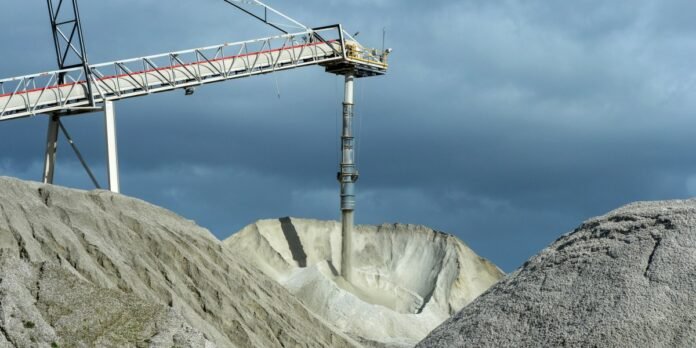
Companies like Lilac Solutions are pioneering new methods to extract lithium from low concentration brines. This innovative extraction process not only positions them advantageously in the market but is also critical to ensuring that lithium can be sourced sustainably.
Sodium-ion batteries are being developed as a cost-effective alternative to lithium-ion batteries. The cost-efficiency of sodium as a raw material opens up new pathways for manufacturers looking to reduce production costs.
There is increasing interest in developing alternative battery technologies that do not use lithium. As electric vehicles proliferate, the sustainability of lithium extraction methods is under scrutiny, prompting the search for diverse energy storage options.
Emerging Alternatives
The growing interest in alternatives to lithium-ion batteries includes technologies like sodium-ion batteries. While these alternatives are at an early stage and have lower energy density, they offer promise due to their lower cost and abundance. Research is ongoing to enhance their efficiency and performance. The industry is optimistic that sodium-ion batteries can eventually provide a reliable solution to battery challenges.
In 2026, sodium-ion technology is expected to attract further investment as companies explore supplementary options to meet the energy storage needs of the future. As these technologies mature, the balance may tilt towards alternatives that provide environmental and economic advantages.
Innovations in Extraction
Companies like Lilac Solutions are innovating extraction methods, tapping into low concentration brines, particularly from the Great Salt Lake. This unique approach is expected to enhance the efficiency of lithium extraction while reducing environmental impact. Sustainable extraction methods are critical as public and regulatory scrutiny increases.
Environmental concern regarding lithium’s extraction processes drives innovation in the industry. Companies are motivated to adopt greener technologies that lessen detrimental effects and promote community engagement.
What Happens Next
Future Developments
The landscape of battery technology is at a turning point. Innovations in lithium extraction and the rise of sodium-ion alternatives could redefine energy storage solutions. With companies like Lilac Solutions set to expand, 2026 may be the year that transformational advancements in battery technology emerge. As these innovations unfold, stakeholders from various sectors is expected to play an essential role in determining how technologies are prioritized and implemented.
As the industry continues to adapt, competition in the lithium market is expected to intensify, influencing pricing and availability. Stakeholders are expected to be closely monitoring these developments, as they ultimately shape the trajectory of production and innovation in the energy sector.
Shift in Energy Storage
Grid-scale sodium-ion energy storage systems are already being deployed in select regions, signaling a potential shift in how energy is stored and distributed. As this technology matures, it might pose a real challenge to established lithium-ion methods. The anticipation surrounding these advancements suggests an exciting future for a diverse energy landscape.
The continual evolution of battery technologies suggests that 2026 is expected to be a landmark year in the quest for sustainable energy solutions. The challenges ahead is expected to require collaboration and innovation across the industry.
Why This Matters
Economic Impact
The economic implications of lithium and battery technology are vast. The transition to electric vehicles and renewable energy sources relies heavily on advancements in battery technologies. Thus, understanding the lithium market is critical for stakeholders in myriad sectors. As emerging markets expand, the demand for lithium is poised to grow significantly.
“They tend to keep their cards close to their chests.”
Decisions made in 2026 are expected to reverberate for years to come, affecting supply chains, pricing strategies, and ultimately the pace of the green energy transition. Economic decision-making is expected to be influenced by advancements in battery technologies and the regulatory environment surrounding sustainable practices.
Environmental Considerations
Moreover, the methods used for lithium extraction raise important environmental questions. Companies are under scrutiny to adopt sustainable practices while meeting demand. The commitment to responsible innovations can influence public perception and regulatory responses, shaping the industry moving forward. Pressure to embrace eco-friendly initiatives is likely to drive technology developments in environmentally-conscious directions.
FAQ
What are the main factors affecting lithium prices?
Prices are chiefly influenced by supply and demand dynamics, rising interest in electric vehicles, and geopolitical factors that can affect mining operations.

