

secure agentic systems — Key Takeaways
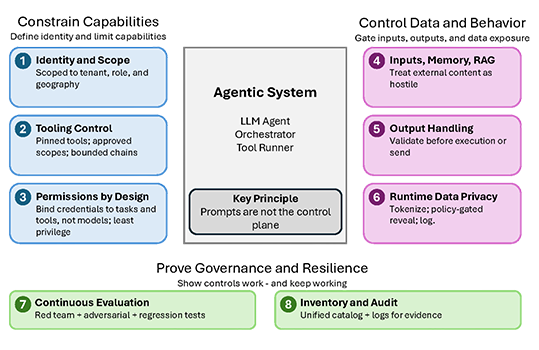
- Credentials and scopes must be tied to specific tools and rotated regularly for security.
- Many agent incidents occur due to data manipulation that introduces harmful instructions.
- Proper review and onboarding of new data sources are critical risk mitigations.
- Establish a validator for outputs from agents that could lead to real-world side effects.
- AI is expected to influence significant online purchasing trends, hinting at shifts in consumer behavior.
What We Know So Far
The Rise of Agentic Systems
Secure agentic systems are a new frontier in artificial intelligence (AI) technology. As AI capabilities advance, these systems are designed to operate independently within specific frameworks. They use sophisticated data and algorithms to make informed decisions that were previously reserved for human decision-makers.

Related image — Source: technologyreview.com — Original
These systems are revolutionizing various industries by optimizing processes and enhancing efficiency. However, their autonomy introduces a range of unprecedented risks. Many incidents involving agentic systems stem from “sneaky data,” which can infiltrate models and inject adverse instructions, potentially leading to skewed outputs and unintended consequences.
The governance of these AI systems is essential to mitigating associated risks. It becomes imperative for CEOs and leaders to develop comprehensive frameworks that not only enhance operational efficiency but also ensure ethical compliance and protect against adversarial manipulations.
As these technologies mature, the landscape is expected to continue evolving. It is vital for organizations to stay informed about new developments and technologies surrounding agentic systems to effectively navigate this complexity.
Key Details and Context
More Details from the Release
Most agent incidents start with sneaky data that smuggles adversarial instructions into the system.
Credentials and scopes should be bound to tools and tasks, rotated regularly, and auditable.
Generative AI tools must be used responsibly. To uphold accuracy and prevent bias, organizations should implement best practices, including constant monitoring of AI outputs. This vigilance protects companies from potential pitfalls while maximizing the benefits of AI capabilities.
Related image — Source: technologyreview.com — Original
“finance-ops-agent may read, but not write, certain ledgers without CFO approval.”
OWASP’s guidelines are paramount for understanding prompt injection risks and managing insecure outputs effectively. Following these recommendations is crucial for developing secure systems that withstand evolving threats.
OpenAI, a leader in the AI sector, has been establishing strategic partnerships with major retailers such as Walmart and Target to integrate shopping features. This integration highlights the growing influence of AI in commerce, with AI poised to drive substantial online purchasing trends.
Estimates suggest that AI could facilitate as much as $263 billion in online purchases during a single holiday season, with potential annual impacts ranging from $3 trillion to $5 trillion by 2030. The projections emphasize the critical need for AI governance frameworks as the landscape shifts.
Beyond financial implications, the ethical considerations in AI deployment are paramount. New sources utilized by agents must be examined rigorously, tagged for relevance, and onboarded correctly, ensuring agents receive only high-quality data that uphold ethical standards.
Securing Systems
A CEO’s responsibility encompasses more than just managing operations; it includes ensuring the security and ethical use of AI technologies. A well-defined security protocol is vital in creating boundaries around access. Credentials and access scopes should align precisely with specific tools and tasks to minimize risks.
Caring for how prompts are handled and outputs managed is essential, as highlighted by organizations such as OWASP. Proper systems must be in place to follow established guidelines, thereby reducing risks related to prompt injection and other vulnerabilities. Clear roles and responsibilities should be assigned to individuals involved in monitoring these systems.
What Happens Next
Developing Governance Strategies
To transition from basic guardrails to a comprehensive governance framework, organizations must regularly review and manage new data sources. These sources should be meticulously tagged and onboarded to reinforce compliance and enhance overall safety.

Related image — Source: technologyreview.com — Original
A validator is essential for outputs that can lead to significant real-world effects. This independent oversight layer ensures that agentic systems function within safe parameters, allowing organizations to mitigate potential adverse consequences before they arise.
Why This Matters
Future Implications
As AI continues to shape consumer behaviors—projected to influence up to $5 trillion in online purchases by 2030—it is crucial for organizations to adapt to this rapidly expanding landscape responsibly. Collaborations with partners in various sectors, like those established by OpenAI in retail, demonstrate the pressing need for effective AI governance in today’s economy.
“As I previously reported for MIT Technology Review”
The responsibility now lies with CEOs and organizational leaders to not only adopt these frameworks but to actively engage in creating a culture of accountability. This ensures that AI systems provide value while adhering to stringent ethical and operational guidelines.
FAQ
Understanding Agentic Systems
For further clarification, a common inquiry among leaders is: What is an agentic system? Simply put, an agentic system represents AI capable of making autonomous decisions based on set parameters, performing tasks ranging from simple calculations to strategic, complex operations.

