
Key Takeaways
- EVs currently have a higher upfront cost than gas vehicles but are projected to be cheaper by 2040 in Africa.
- Financing issues due to political instability affect EV adoption rates in certain African nations.
- In regions like South Africa, Mauritius, and Botswana, EV financing conditions are nearing parity with gas cars.
- Enhanced charging infrastructure and solar-based charging solutions are pivotal for increasing EV affordability.
- Global EV production trends suggest significant cost reductions in the future, encouraging adoption.
What We Know So Far
Current Landscape of EVs in Africa
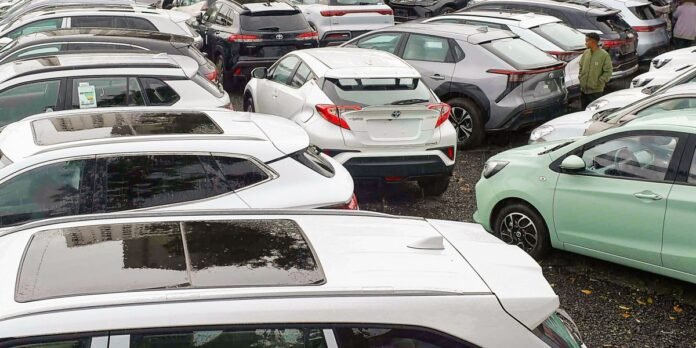
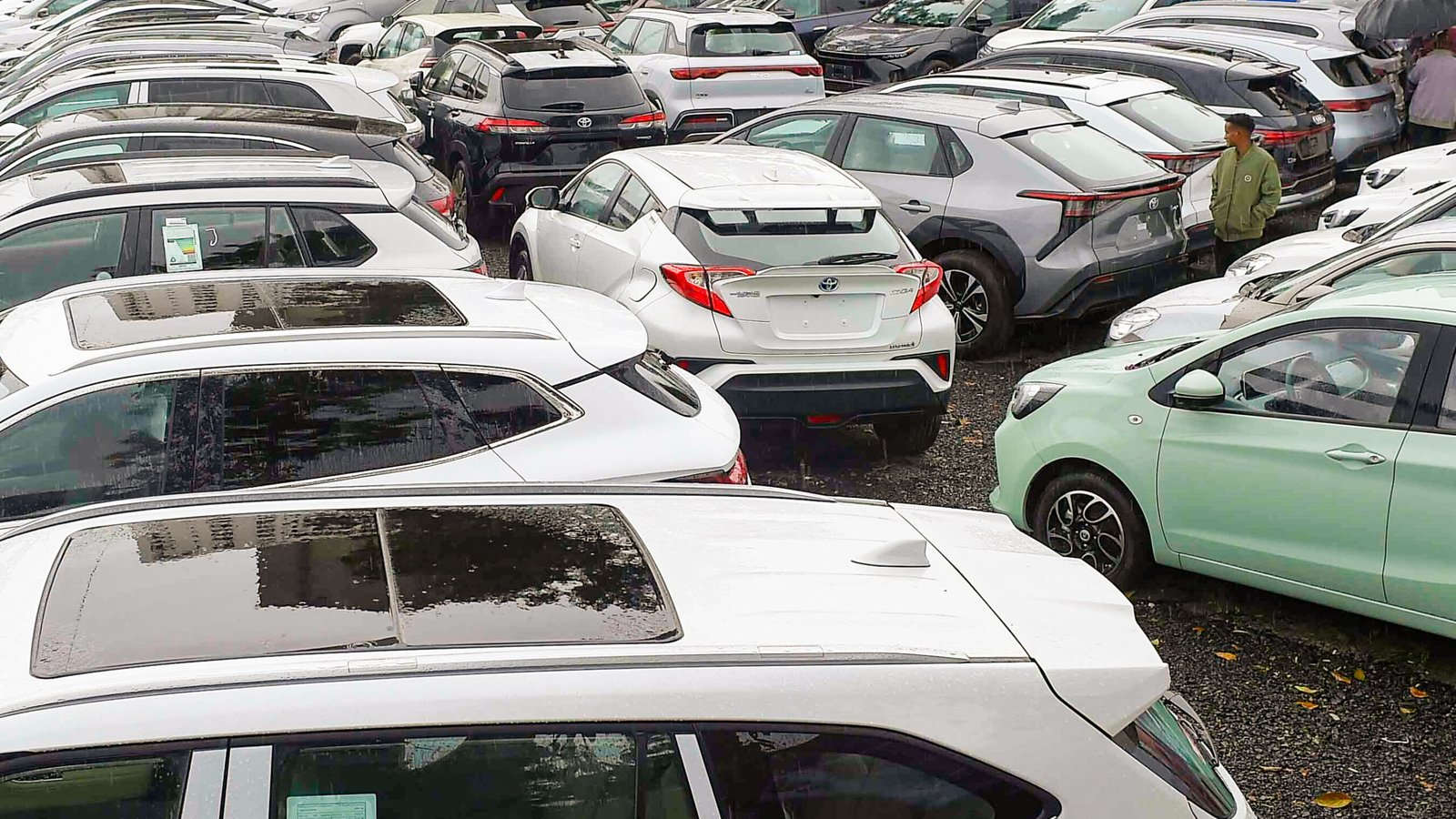
EVs in Africa — Electric vehicles (EVs) are facing a challenging but potentially transformative landscape in Africa. Currently, they are more expensive upfront than traditional gas-powered cars, primarily due to battery costs and technology. This initial hesitance, however, may not last long.
Related image — Source: technologyreview.com — Original
A recent analysis indicates that advancements in technology and infrastructure may allow EV ownership to become cheaper than gas cars by 2040 across the continent (MIT Technology Review).
Financing Barriers
A key challenge to EV adoption in Africa is financing. High financing costs, exacerbated by political instability in various regions, make it difficult for many to consider switching to EVs. For instance, countries like Sudan and Ghana struggle with these barriers, hindering their transition towards EVs.
Conversely, countries such as South Africa, Mauritius, and Botswana experience better financing conditions, which are inching closer to parity with gas vehicles (MIT Technology Review).
Key Details and Context
More Details from the Release
In some African countries like South Africa, Mauritius, and Botswana, financing conditions are close to parity for EVs and gas cars.
Financing costs are currently high due to political instability in some African countries.
EVs are currently more expensive up front than gas-powered cars.
Solar-Powered Solutions
One promising avenue lies in solar-based charging systems that could significantly reduce the operational costs for EV users. These systems not only enhance energy access but also offer a sustainable alternative for charging vehicles in regions with less reliable grid access.
Related image — Source: technologyreview.com — Original
“People is expected to start to pick up these technologies when they’re competitive,”
As solar technology evolves, the integration of solar charging infrastructure can play a vital role in boosting EV affordability across the continent. Experts suggest that as these systems become more common, the financial burden associated with charging EVs in Africa may shift positively (MIT Technology Review).
Infrastructure Requirements for Adoption
For EVs to truly achieve higher penetration rates, the development of comprehensive charging infrastructure is crucial. It’s not enough to have vehicles; there needs to be adequate facilities that support them. Thus, governments and private entities must invest in this area to ensure that EVs can be a viable option.
The evolution of this infrastructure is expected to affect how quickly people shift away from gas-powered vehicles. As Nelson Nsitem, an industry expert, noted, “People is expected to start to pick up these technologies when they’re competitive” (MIT Technology Review).
What Happens Next
Trends and Outlook
The global trend shows increased manufacturing of EVs, which historically has led to cost reductions over time. This decrease in pricing is expected to further spur the adoption of electric vehicles as they become more competitively priced.
Related image — Source: technologyreview.com — Original
As EV technology improves and production scales up, it is anticipated that existing barriers, including financing and upfront costs, may follow suit in decreasing. This shift could pave the way for larger segments of the population to make the switch from gas cars to EVs.
Looking to the Future
Investment in solar energy and the establishment of robust and extensive charging networks is expected to be critical in determining how quickly Africa can shift to electric vehicles. The next decade may present enterprises and governments with opportunities to redefine transportation across the continent, making it sustainable and affordable.
Without these measures, however, the promise of cheaper EVs may remain just that—a promise rather than a reality.
Why This Matters
Environmental and Economic Implications
Transitioning to EVs presents considerable environmental benefits, including a reduction in greenhouse gas emissions. As more Africans adopt electric vehicles, the continent stands to benefit from both improved air quality and diminished reliance on imported fossil fuels.
“No one is better equipped to handle these batteries than the companies that make them,”
Economically, this shift could create new jobs in the EV sector and associated industries, from manufacturing to infrastructure development. Thus, the push towards electric vehicles could catalyze economic growth while addressing pressing environmental concerns.
Broader Impacts
Beyond economic and environmental outcomes, the transition to EVs also symbolizes progress and modernization in Africa’s automotive sector. Electric vehicles can represent not just a mode of transport but also a commitment to sustainable and responsible development.
FAQ
Frequently Asked Questions
Here are some common questions regarding EVs and their future in Africa:
As the conversation around EVs in Africa evolves, understanding the implications of this transition is paramount for all stakeholders involved.

