

Key Takeaways
- Researchers developed a contactless method using machine learning for pain monitoring during surgeries.
- The system analyzes facial expressions and heart rate data, achieving a 45% accuracy in pain prediction.
- It utilizes the BioVid Heat Pain Database for training, enhancing model responsiveness to realistic scenarios.
- This non-intrusive approach eliminates the need for traditional sensors, facilitating easier assessments.
- Future developments may extend to vital sign monitoring with radar technology.
What We Know So Far
Innovative Pain Monitoring
machine learning pain monitoring — A team of researchers has developed a groundbreaking contactless method to monitor patient pain during surgery. This advanced system uses facial expressions and heart rate data, reducing the need for traditional sensors typically used in pain assessment.

Related image — Source: spectrum.ieee.org — Original
The machine-learning algorithm effectively analyzes the nuances of facial expressions to estimate pain levels, marking a significant shift in how pain management is approached in surgical settings.
Model’s Accuracy and Training
Utilizing realistic surgical footage, the model achieved a pain-prediction accuracy of approximately 45%. This high level of accuracy promises to improve the reliability of pain assessments in real-time clinical situations.
The researchers trained this innovative model using the BioVid Heat Pain Database combined with a new dataset specifically collected from patients undergoing various procedures.
Key Details and Context
More Details from the Release
This type of pain monitoring could improve communication between patients and medical staff, especially in difficult cases.
The team is planning to develop similar systems to measure patients’ vital signs using radar in future work.
Researchers note that using longer training videos resulted in a model that reflects more realistic clinical situations compared to older models.
The machine-learning model was trained using the BioVid Heat Pain Database and a new dataset collected from patients undergoing procedures.
The method allows for a non-intrusive way to assess pain without the need for traditional sensors or wires.
The model achieved a pain-prediction accuracy of about 45% using realistic surgical footage.
The machine-learning algorithm used by researchers analyzes the nuances of facial expressions to estimate pain levels.
A team of researchers developed a contactless method to monitor patient pain by analyzing heart rate data and facial expressions.
This type of pain monitoring could improve communication between patients and medical staff, especially in difficult cases.
The team is planning to develop similar systems to measure patients’ vital signs using radar in future work.
Researchers note that using longer training videos resulted in a model that reflects more realistic clinical situations compared to older models.
The machine-learning model was trained using the BioVid Heat Pain Database and a new dataset collected from patients undergoing procedures.
The method allows for a non-intrusive way to assess pain without the need for traditional sensors or wires.
The model achieved a pain-prediction accuracy of about 45% using realistic surgical footage.
The machine-learning algorithm used by researchers analyzes the nuances of facial expressions to estimate pain levels.
A team of researchers developed a contactless method to monitor patient pain by analyzing heart rate data and facial expressions.
Non-Intrusive Assessments
The team emphasizes that this non-intrusive method eliminates the need for traditional sensors or wires. This not only enhances patient comfort but also improves the workflow efficiency of medical staff during surgeries.

Related image — Source: spectrum.ieee.org — Original
“This reflects a more realistic clinical situation compared to laboratory datasets,”
The model indicates that using longer training videos aligns the algorithm with more realistic clinical scenarios, providing better predictions and assessments compared to previous models.
Future Enhancements
Researchers are looking to build upon their current work by developing similar systems to evaluate patients’ vital signs with radar technology. This upcoming advancement could offer a deeper understanding of patients’ physiological responses and further revolutionize pain management.
What Happens Next
Potential Implementation
This innovative approach to pain monitoring could enhance communication between patients and medical staff, particularly in complex cases where traditional measures may fall short. As the system continues to evolve, its clinical applications could broaden significantly.
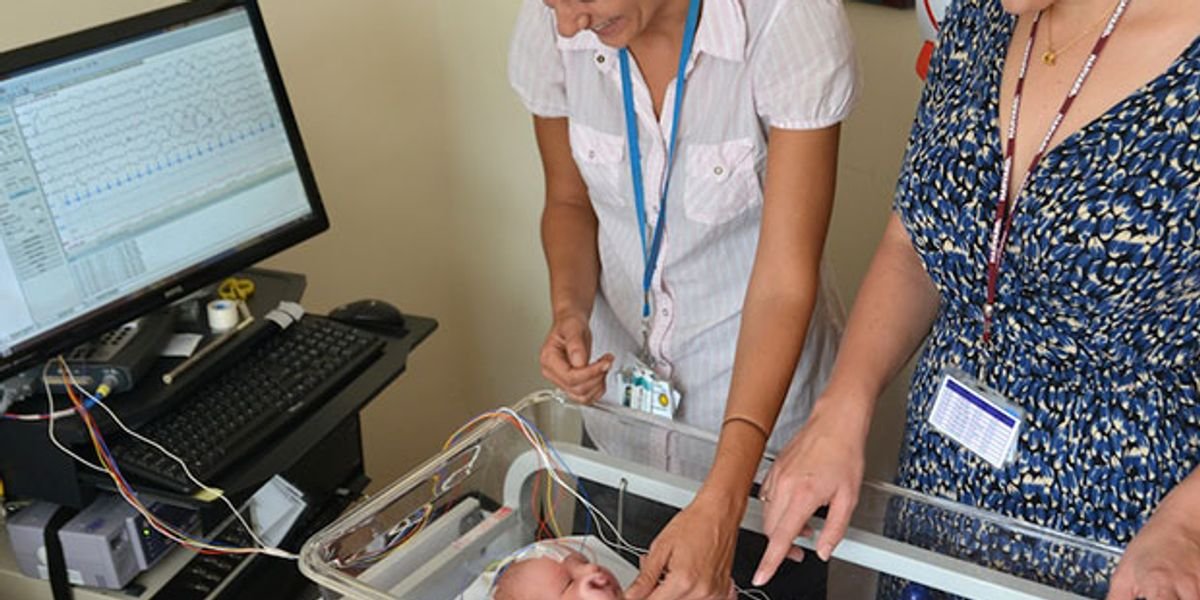
Related image — Source: spectrum.ieee.org — Original
Future trials and refinements of the technology is expected to be essential for integrating this framework into regular surgical practices, ensuring its reliability and effectiveness in diverse medical domains.
Broader Applications
The insights gained from this research could extend beyond just pain management during surgery. Other fields, such as pediatric care and emergency medical services, may also benefit from enhanced pain assessment capabilities.
Why This Matters
Transforming Patient Care
This machine learning-based pain assessment technology stands to revolutionize the way pain is monitored in surgical environments. By improving the accuracy and non-intrusiveness of pain assessments, it can lead to better pain management strategies.
“Using more complex approaches, for example, based on neural networks , would most likely further improve performance,”
The implications for patient comfort and communication with healthcare providers make this technology a significant advancement in modern medicine. It highlights the importance of integrating technology with patient care for optimal outcomes.
FAQ
Common Inquiries
How does the machine learning algorithm monitor pain? It analyzes facial expressions and heart rate using video footage to assess pain levels.
What is the accuracy of the pain monitoring model? The model achieved about 45% accuracy in pain prediction using surgical footage.
Is the pain monitoring method intrusive? No, it is a non-intrusive method, not requiring sensors or wires.
What database was used to train the machine learning model? The BioVid Heat Pain Database and a new dataset from patient procedures were used.

