
Key Takeaways
- AI is driving significant investments in energy sources that meet high computational demands.
- Next-gen nuclear power plants promise lower costs and enhanced safety compared to traditional designs.
- Microreactors, which generate minimal power, represent a growing sector in nuclear energy.
- Kairos Power is leading the charge with its approved molten-salt reactor project, Hermes 2.
- Innovations in coolant technology are enhancing reactor safety and efficiency.
What We Know So Far
Next-Gen Nuclear — AI companies are making substantial investments in next-generation nuclear technology to meet their growing energy needs. These firms are increasingly reliant on robust energy sources to power their massive data centers, essential for supporting AI’s computationally intense operations.
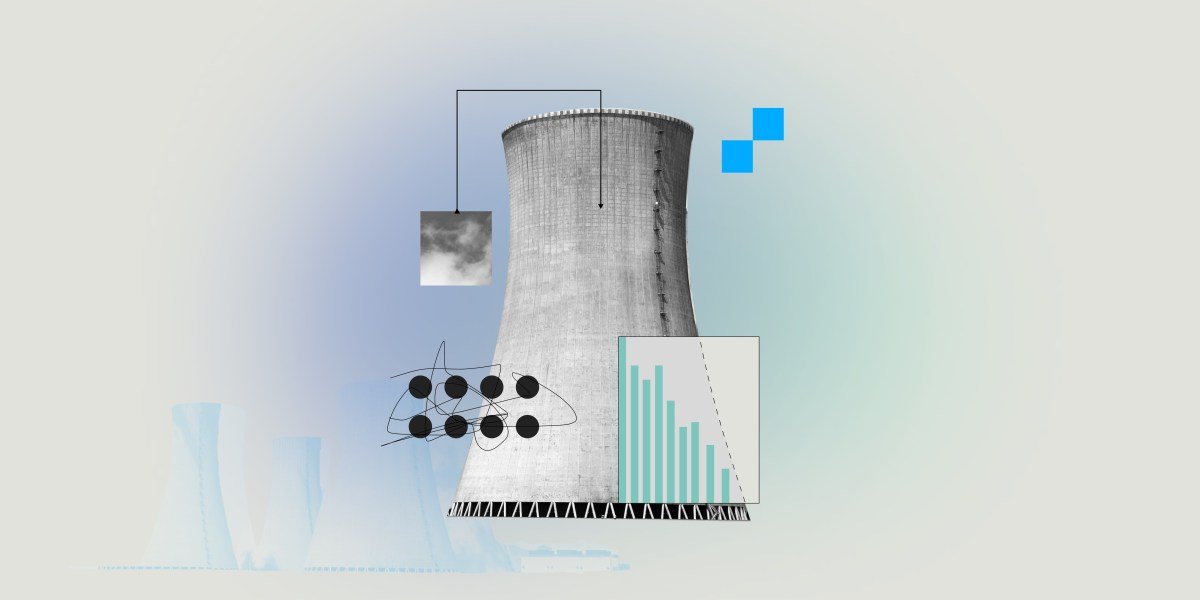
Next-gen nuclear power plants present a revolutionary shift in energy production. They are designed to be both cheaper to construct and safer to operate than traditional nuclear reactors. This transformation is critical as countries worldwide search for sustainable energy solutions that can support future technological advancements.
Nuclear’s Role in AI’s Future
Next-gen nuclear has caught the attention of leading AI firms, highlighting its potential to provide a reliable energy source. As these companies expand, so do their energy requirements, necessitating innovative approaches to energy production.
Incorporating AI into the management of nuclear reactors can optimize operations and improve safety. The advantages of AI-driven nuclear solutions could pave the way for broader acceptance of nuclear energy in the clean energy revolution.
Key Details and Context
More Details from the Release
Alternative coolants like molten salt or metal are being explored, which would eliminate the need for operation under super-high pressures.
Other companies exploring next-gen nuclear include TerraPower and X-energy.
Kairos Power won the first US approval to begin construction on a molten-salt reactor called Hermes 2.
Some companies are pursuing microreactors, which would generate less than 0.1% as much power as traditional designs.
Next-generation nuclear power plants could be cheaper to construct and safer to operate than their predecessors.
AI is driving unprecedented investment for massive data centers and an energy supply that can support its huge computational appetite.
A notable development is that Kairos Power has secured U.S. approval to start building a molten-salt reactor named Hermes 2, marking a significant step forward for next-gen nuclear projects. This plant aims to showcase the advancements in safety and efficiency over traditional designs.
Additionally, companies like TerraPower and X-energy are also at the forefront, exploring innovative reactor designs and sustainable practices. The inclusion of alternative coolants, such as molten salt or metals, is a key factor that could eliminate the necessity for high-pressure operations, thus enhancing the safety of these reactors.
Current Industry Trends
Microreactors, designed to produce less than 0.1% of the energy of traditional reactors, are becoming a vital part of the conversation. They offer an appealing solution for remote or smaller communities needing localized energy sources without the risks associated with larger reactor designs.
This trend aligns with the broader narrative of sustainable energy, and it places nuclear energy in a favorable position as part of the energy mix for the future.
What Happens Next
As AI companies continue their investment in nuclear technology, the sector is likely to see significant innovations. The focus is expected to likely increase on safety and efficiency, with many startups and established players competing to find the optimal reactor designs that meet both energy needs and regulatory standards.
Moreover, ongoing advancements in AI and machine learning could lead to better predictive maintenance and operational efficiency in nuclear plants, further enhancing public confidence in nuclear energy.
The Future of Energy
This push towards next-gen nuclear signifies a broader shift in the energy landscape. By marrying advanced technology and nuclear solutions, the goal is to create a more sustainable and reliable energy future.
As these developments unfold, they serve not only the interests of AI companies but also contribute to a more resilient energy grid that mitigates climate change impacts.
Why This Matters
The intersection of AI and next-gen nuclear technology underscores a pivotal moment in energy policy and innovation. By investing in safer, more efficient energy sources, companies like Kairos Power are helping address the urgent energy demands posed by AI growth.
The increasing viability of nuclear energy as a clean source holds the promise of substantially reducing carbon emissions and driving the world towards a sustainable energy transition.
FAQ
Here are some frequently asked questions regarding AI’s investment in next-gen nuclear:
Questions & Answers
Why are AI companies investing in next-gen nuclear energy?
To meet the increased energy demands of massive AI data centers sustainably.
What are the benefits of next-gen nuclear reactors?
They are typically cheaper and safer to operate than older reactors.
What is a microreactor?
A compact nuclear reactor that produces less than 0.1% of the power of traditional reactors.
What advancements are being made in nuclear coolant technology?
Alternative coolants such as molten salt are being researched to operate under lower pressure.
Which companies are leading in next-gen nuclear technology?
Companies like Kairos Power, TerraPower, and X-energy are prominent leaders in the field.

