
Key Takeaways
- Digit, created by Agility Robotics, stands 1.75 meters tall and weighs 65 kg.
- Designed for logistics, Digit can lift up to 16 kg, making it versatile for various tasks.
- Bipedal robots navigate human spaces more effectively than wheeled counterparts.
- Agility Robotics aims for commercial deployment of Digit in 2024.
- Amazon has invested in Agility Robotics, actively testing Digit in logistics operations.
What We Know So Far
Overview of Digit
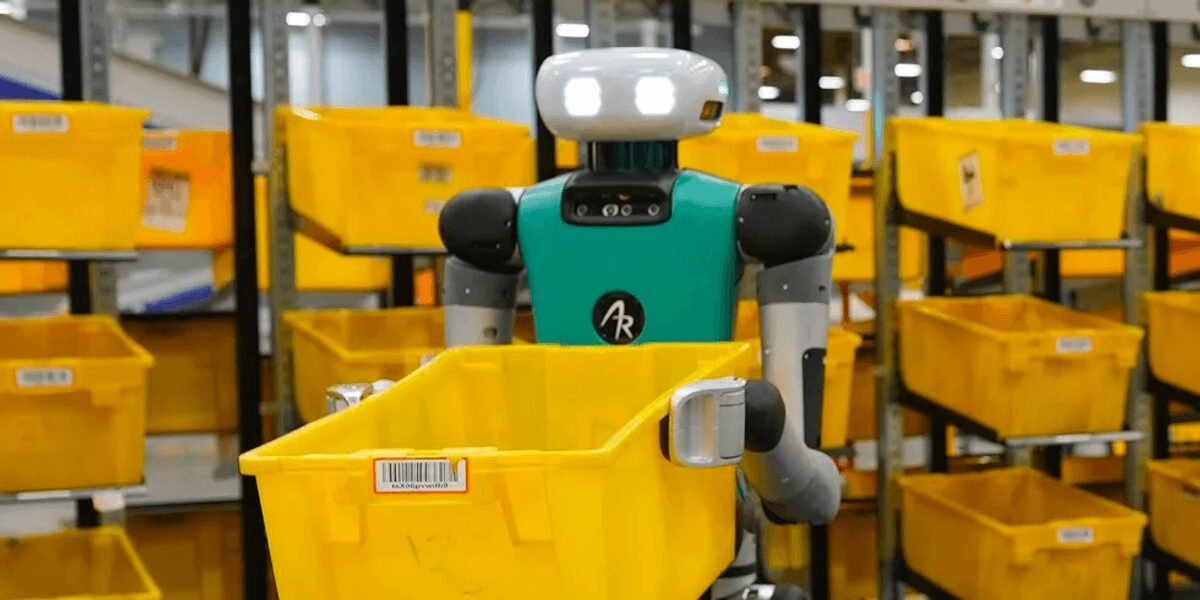
The bipedal robot developed by Agility Robotics is named Digit. At a height of 1.75 meters and a weight of 65 kilograms, Digit is engineered to perform tasks specifically in the logistics sector. Designed with human-like mobility, it excels in environments where traditional wheeled robots may falter.
Related image — Source: spectrum.ieee.org — Original
Amazon has invested in Agility Robotics and is currently testing Digit for logistics applications. They recognize the potential for Digit to assist in the movement of goods within warehouses and other facilities.
Technical Specifications
Digit not only stands tall but is designed robustly, capable of lifting up to 16 kilograms. This functionality broadens its utility in the logistics industry, where lifting and moving goods is a regular requirement. Bipedal robots like Digit have a distinct advantage in navigating spaces built for human function, outperforming wheeled robots.
Agility Robotics aims to release Digit commercially by 2024, a significant step in integrating robotics into daily operations across various industries.
Key Details and Context
More Details from the Release
Amazon has invested in Agility Robotics and is testing Digit.
Agility Robotics aims to commercialize Digit in 2024.
Digit is designed to perform tasks in the logistics industry.
Digit stands 1.75 meters tall and weighs 65 kilograms.
The bipedal robot developed by Agility Robotics is called Digit.
Design Philosophy
Agility Robotics emphasizes the importance of developing robots that work alongside humans, not in competition with them. Many of the repetitive and physically taxing jobs in logistics are increasingly being taken over by robots. “What we’re going to have is a shifting of the human workforce into a more supervisory role,” explains a representative from Agility Robotics.

Related image — Source: spectrum.ieee.org — Original
“We spent a long time working with potential customers to find a use case where our technology can provide real value, while also being scalable and profitable,”
The focus on scalability and profitability is expected to be essential as they move towards commercialization. “We spent a long time working with potential customers to find a use case where our technology can provide real value,” they assert, showcasing a commitment to meaningful contributions.
Testing and Investment
Amazon’s investment in Agility Robotics highlights the confidence that large tech companies are placing in the future of bipedal automation. The company is utilizing Digit to streamline its logistics operations and optimize supply chain efficiency. “For us, right now, that use case is moving e-commerce totes,” they added, indicating a significant deployment strategy.
The positive results from testing could pave the way for wider adoption of humanoid robots in various sectors, dramatically altering the landscape of labor and automation.
What Happens Next
Commercialization Timeline
With the expected commercialization in 2024, the next phase for Digit is crucial. Agility Robotics is expected to need to refine the robot further to ensure it meets the demands of various logistical environments. This is expected to involve continuous testing, feedback from users, and potential adjustments to the design and functionality.
Related image — Source: spectrum.ieee.org — Original
As companies like Amazon and others deploy these robots in real-world scenarios, the data collected is expected to inform further development, making future iterations even more effective.
Potential Future Developments
The logistic capabilities of Digit might not only stop at goods movement. Future upgrades could include enhanced AI for improved decision-making and pathfinding, expanding beyond simple transportation to include complex operations such as sorting and handling fragile items.
As Digit evolves, it could provide further insights into the integration of AI with physical labor, refining how companies envision and execute their operations.
Why This Matters
Impact on Workforce
Developing robots like Digit signals a significant shift in the workforce paradigm. As repetitive jobs get automated, this could free human workers to take on supervisory roles, focusing on tasks requiring judgment and creativity.
“For us, right now, that use case is moving e-commerce totes.”
This transition might lead to a workforce that is more engaged in complex decision-making processes, enhancing overall efficiency in operations.
Community and Economic Effects
On a broader scale, the adoption of bipedal robots like Digit can invigorate the economy by creating a new sector of jobs related to robot maintenance, programming, and supervision. As industries adapt to integrate these technologies, there could be a surge in demand for skilled workers who can oversee and collaborate with robots.
The societal implications of such technologies often bring discussions around ethics and the future of work. Ensuring that technological advancements benefit all workplace demographics is expected to be essential.
FAQ
Common Inquiries Regarding Digit
As the logistics industry embraces automation, many wonder about the implications of integrating robots like Digit into daily operations. Here are some answers to the most common questions:

