

Key Takeaways
- OpenAI has officially deprecated the GPT-4o and GPT-4.1 models to streamline offerings.
- Emerging generative models are specifically trained on molecular data to advance drug discovery.
- AI integrates with drug development pipelines, focusing on DNA, RNA, and protein sequences.
- Experts voice concerns regarding large language models’ reliability in scientific contexts.
- Newer models released by OpenAI aim to enhance efficiency and improve outcomes across applications.
What We Know So Far
OpenAI’s Deprecation Strategy
OpenAI model retirement — OpenAI has taken a bold step in deprecating several versions of its models, including GPT-4o and GPT-4.1. This decision aligns with the company’s ongoing strategy to streamline its offerings, ensuring that users work with the most advanced and efficient technologies available.
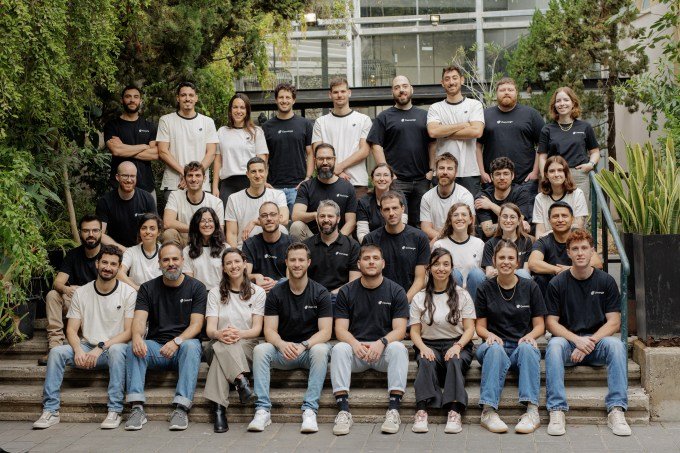
Related image — Source: techcrunch.com — Original
The retirement of these older models indicates a key shift towards more focused and specialized AI applications, particularly in the rapidly advancing field of drug discovery.
Emerging Technologies
New generative models are now being tailored specifically around molecular data. This innovation significantly enhances the capabilities of AI in drug discovery, allowing for better integration of language models with biological analysis.
For example, Converge Bio is leveraging these generative models to analyze DNA, RNA, and protein sequences as part of their drug development pipelines.
Key Details and Context
More Details from the Release
OpenAI has deprecated multiple versions of its model including GPT-4o and GPT-4.1.
Integration of AI in Drug Discovery
AI-driven drug discovery has begun to incorporate large language models for analyzing biological sequences, thus improving the accuracy and speed of research processes. These innovative applications provide a framework for modeling complex biological data, previously daunting for researchers.
“The drug-development lifecycle has defined stages — from target identification and discovery to manufacturing, clinical trials, and beyond — and within each, there are experiments we can support,”
Converge Bio exemplifies this trend, as it utilizes models designed to navigate the intricate stages of drug development—from target identification to clinical trials. Their platform helps streamline drug development, ultimately bringing new therapeutics to market faster.
Concerns Over Reliability
While advancements are noted, experts express skepticism regarding the reliability of large language models in scientific applications. The potential for “hallucinations”—errors when the model generates plausible but incorrect information—is particularly concerning in the context of drug discovery.
As one industry expert puts it, “In molecules, validating a novel compound can take weeks, so the cost is much higher,” stressing the need for rigorous validation of AI models before full-scale deployment in critical research settings.
What Happens Next
Future of OpenAI’s Models
As OpenAI continues to refine its offerings, the focus is expected to shift to developing new models with improved functionalities and better integration capabilities. These enhancements are expected to foster increased efficiency and outcomes across various applications, including healthcare.

Related image — Source: techcrunch.com — Original
OpenAI’s emphasis on streamlining indicates that users is expected to benefit from systems that are easier to integrate with existing workflows, providing ready-to-use solutions rather than requiring them to piece models together themselves.
Broader Implications
The deprecation of models is not a standalone event but part of a broader trend of AI integration into crucial sectors like medicine. This transition is shaping a future where advanced algorithms can not only inform but transform how we approach complex scientific challenges.
As AI technologies evolve, the potential to close gaps in research and expedite drug development pathways looks promising, albeit with necessary scrutiny to ensure reliability and efficacy.
Why This Matters
Impact on the Scientific Community
The retirement of older AI models points towards a future of more specialized, effective tools in medicine and biology. By integrating generative models focused on molecular data, researchers may soon unlock faster breakthroughs and new therapies.
“Our platform continues to expand across these stages, helping bring new drugs to market faster.”
Nevertheless, the skepticism surrounding large language models must be taken into account, ensuring that the scientific method remains a priority to validate findings effectively.
Consumer Confidence
As generative AI expands in drug discovery, helping expedite the journey from research to market is significant. By minimizing the risks involved through rigorous validation and validation methods, AI can remain a robust tool rather than a potential liability in scientific endeavors.
FAQ
Questions on OpenAI Model Retirement
Understanding the implications of these retirements ensures clarity for users and stakeholders. Here are some frequently asked questions:
- Why is OpenAI retiring older models like GPT-4o?
- OpenAI is streamlining its model offerings by retiring older versions such as GPT-4o and GPT-4.1.
- What new developments are occurring in AI-driven drug discovery?
- New generative models are trained on molecular data to aid in drug discovery and development.
- Are there concerns about using large language models in scientific applications?
- Yes, there is skepticism regarding the reliability of large language models in scientific contexts.
- How are newer OpenAI models different from previous versions?
- New models incorporate advancements that aim to improve efficiency and outcomes in various applications.

