
Key Takeaways
- CES 2026 emphasized the growing role of robots across various industries.
- Agility Robotics aims for mass production of its humanoid robot, Digit, targeting logistics.
- Amazon is evaluating Digit for potential warehouse implementation.
- The first humanoid robots are projected to enter commercial use by 2024, marking a significant evolution in automation.
- Robotic process automation is gaining traction, enhancing business efficiencies.
What We Know So Far
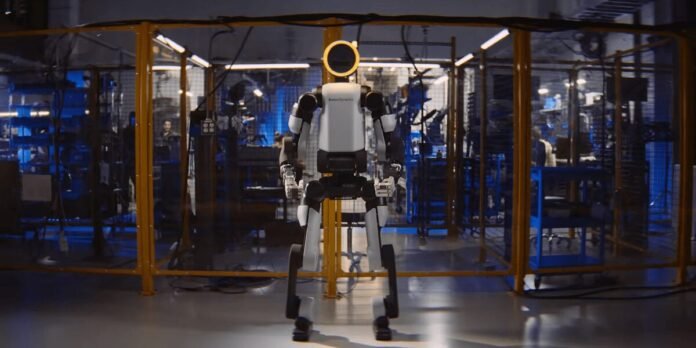
robots at CES 2026 — CES 2026 showcased numerous robotic innovations, emphasizing the prevalence of robots in various industries. From humanoid robots like Digit to advanced automation technologies, the event highlighted how these machines are set to transform workplaces.
Related image — Source: spectrum.ieee.org — Original
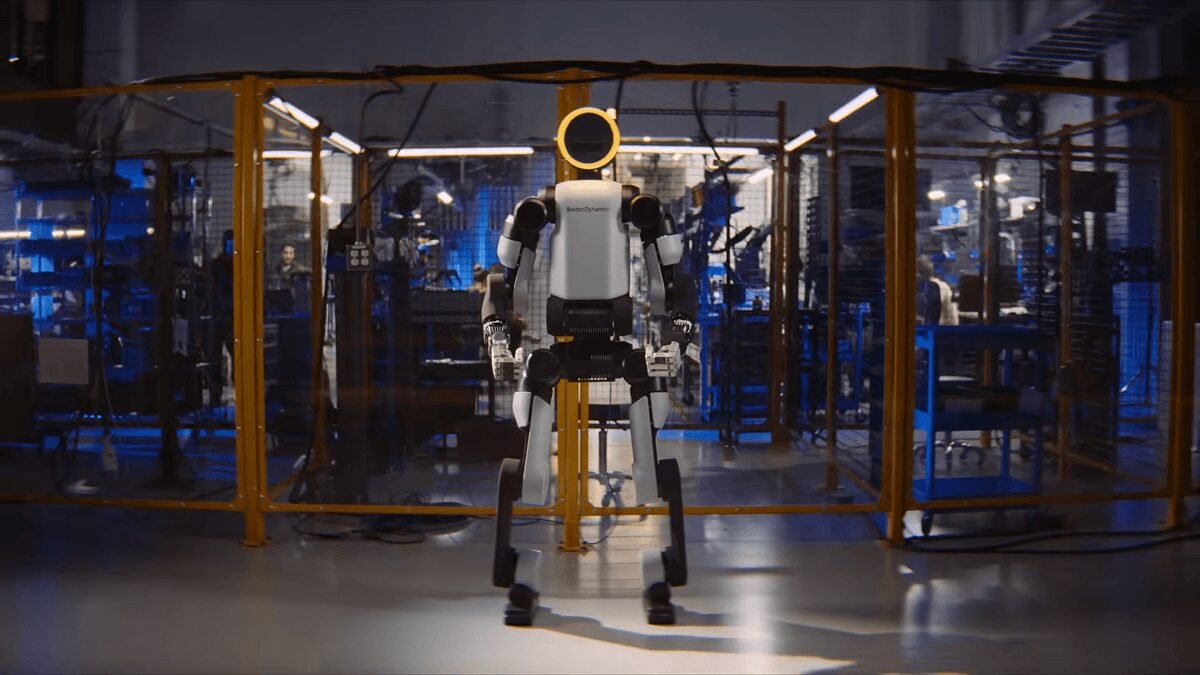
Agility Robotics is preparing to produce a commercial version of its humanoid robot, Digit, at scale. This bipedal robot is specifically tailored for the logistics industry, underscoring the growing trend towards robotics in warehousing.
Emerging Technologies
Among the various exhibits, the presence of robots designed for logistics and general assistance stood out. Companies are increasingly realizing the potential of robotic process automation to streamline operations.
The first commercial deployments of humanoid robots, including Digit, are expected in 2024, as businesses look to enhance productivity and efficiency through automated solutions.
Key Details and Context
More Details from the Release
The production goal for Agility Robotics’ factory includes manufacturing 10,000 Digit robots per year.
Several other companies, besides Agility Robotics, are also working on commercial humanoid robots.
Robotic process automation is becoming more prominent, offering practical solutions for businesses.
The first commercial deployments of humanoid robots are expected in 2024.
Amazon is testing Digit within its robotics R&D to explore its capacity for warehouse tasks.
Digit, a bipedal robot developed by Agility Robotics, is specifically aimed at the logistics industry.
Agility Robotics is preparing to produce a commercial version of its humanoid robot, Digit, at scale.
CES 2026 showcased numerous robotic innovations, emphasizing the prevalence of robots in various industries.
The production goal for Agility Robotics’ factory includes manufacturing 10,000 Digit robots per year.
Several other companies, besides Agility Robotics, are also working on commercial humanoid robots.
Robotic process automation is becoming more prominent, offering practical solutions for businesses.
The first commercial deployments of humanoid robots are expected in 2024.
Amazon is testing Digit within its robotics R&D to explore its capacity for warehouse tasks.
Digit, a bipedal robot developed by Agility Robotics, is specifically aimed at the logistics industry.
Agility Robotics is preparing to produce a commercial version of its humanoid robot, Digit, at scale.
CES 2026 showcased numerous robotic innovations, emphasizing the prevalence of robots in various industries.
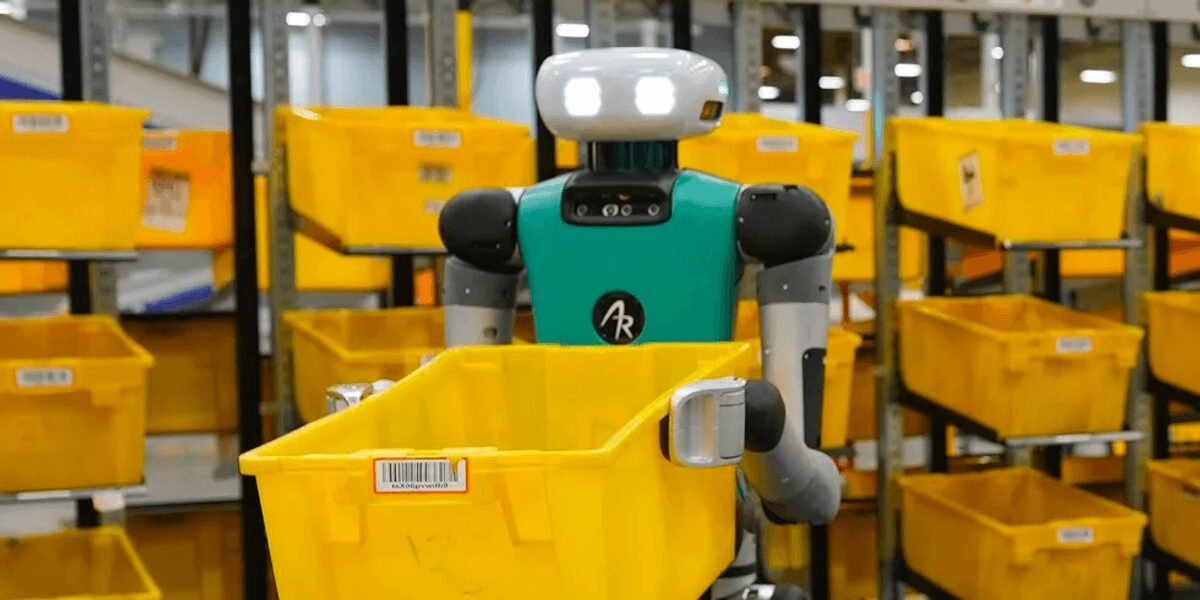
Amazon is actively testing Digit within its robotics R&D to explore its capacity for warehouse tasks. The company believes integrating robots can optimize operations and reduce labor costs in an increasingly competitive market.

Related image — Source: spectrum.ieee.org — Original
“We spent a long time working with potential customers to find a use case where our technology can provide real value, while also being scalable and profitable,”
Robotic innovations are not limited to one company; several other companies are also working on commercial humanoid robots. The production goal for Agility Robotics’ factory includes manufacturing 10,000 Digit robots annually, showcasing ambition in the robotics sector.
Industry Perspectives
As Hurst, a representative of Agility Robotics, states, “We spent a long time working with potential customers to find a use case where our technology can provide real value, while also being scalable and profitable.” This reflects the strategic outlook companies are taking towards deploying robotic solutions.
He further emphasized that “For us, right now, that use case is moving e-commerce totes,” indicating a clear focus on addressing current logistics challenges through automation.
What Happens Next
As we approach 2024, the anticipated deployment of humanoid robots represents a significant turning point for various industries. The introduction of Digit and its competitors could shift the employment landscape, especially within sectors reliant on manual labor.
Related image — Source: spectrum.ieee.org — Original
The outlook remains mixed as employees adjust to this transformation. There’s a possibility that “What we’re going to have is a shifting of the human workforce into a more supervisory role,” allowing humans to focus on creative decision-making.
The Future of Work
Companies are exploring how best to integrate robots with human workers to maximize effectiveness. “We want humans for their judgment, creativity, and decision-making, using our robots as tools to do their jobs faster and more efficiently,” emphasized Hurst.
This collaborative approach may help in easing the transition into an automated workplace, fostering an environment where both humans and robots can synergize.
Why This Matters
The developments presented at CES 2026 indicate a pivotal shift towards a future where robots are commonplace in various sectors. As these technologies evolve, their implications for the workforce and productivity are profound.
“For us, right now, that use case is moving e-commerce totes.”
Businesses that adopt these innovations early stand to gain a competitive advantage. The focus on logistics automation and robotic process automation could fundamentally reshape how companies operate in the coming years.
Final Thoughts
Robots are no longer a novelty; they are becoming integral to modern operations. Understanding their deployment and integration within business strategies is expected to be crucial for navigating this new era.
FAQ
Find below some frequently asked questions about robotics innovations showcased at CES 2026:
As the future of robotics unfolds, continuous technological advancements and market adaptations is expected to determine how these innovations affect our daily lives.

